Bangladesh After the Election: Stability or New Crisis?
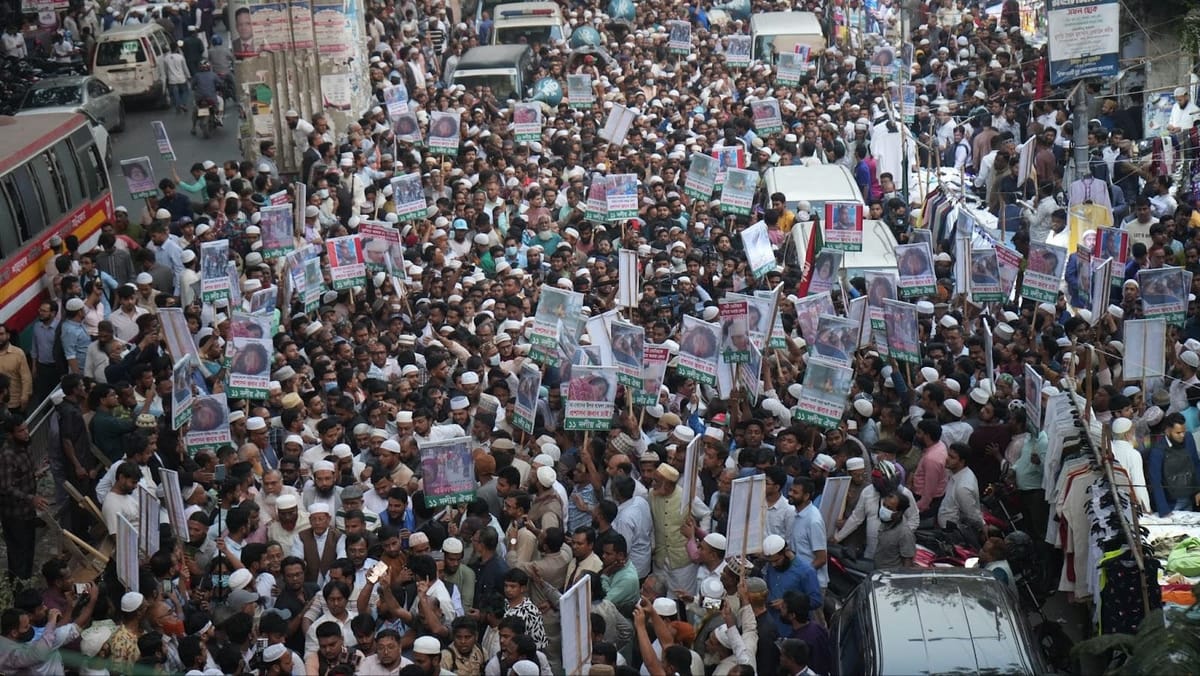
Dhaka – Afia Siddiqui, a 25-year-old student living in the capital, Dhaka, voted for the first time on February 12. Although she had registered to vote several years ago, she had never had the opportunity to cast her ballot.
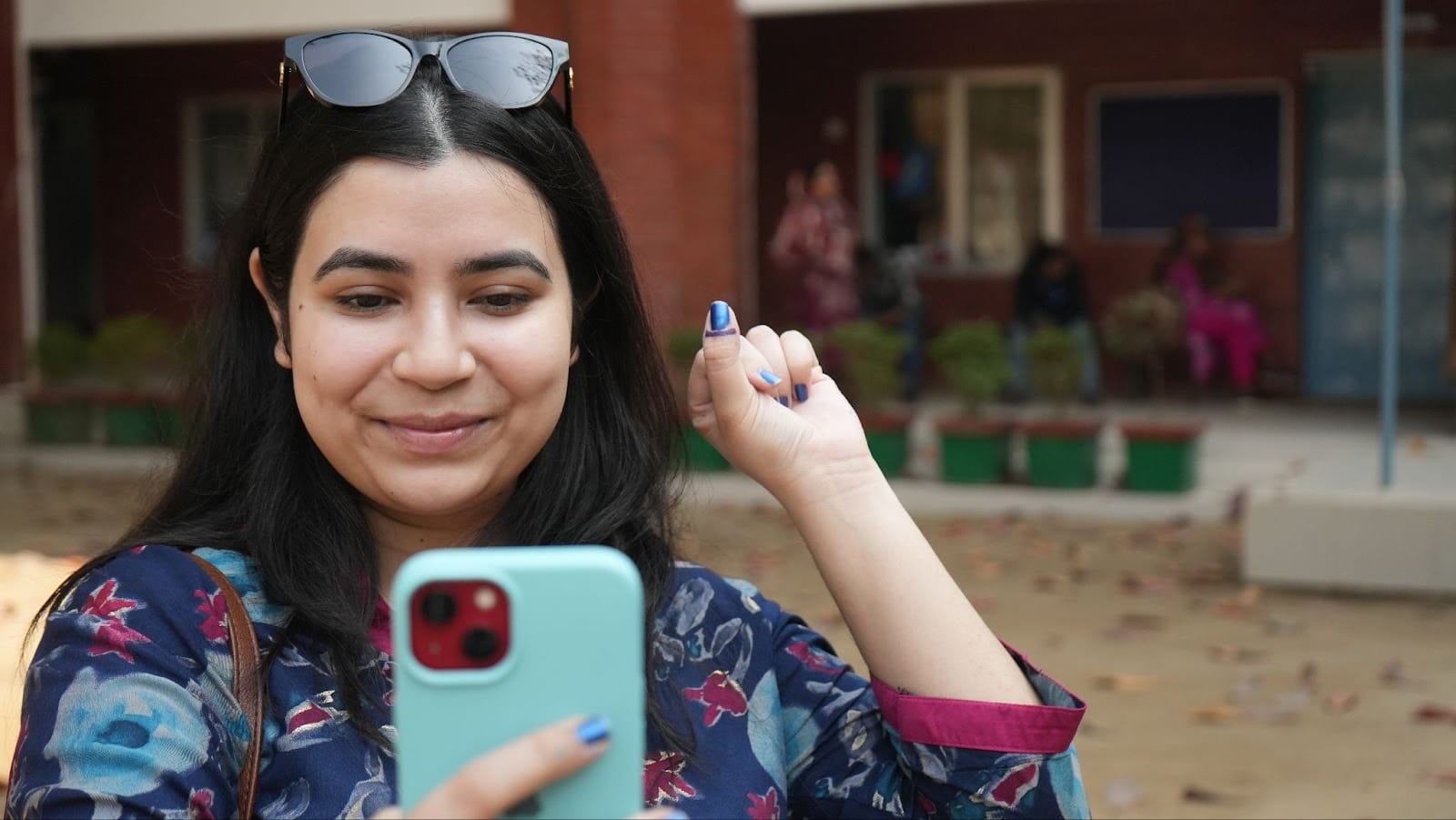
Describing her experience, she said, “Casting my vote made me feel like a true citizen. It gave me a sense of participation in choosing an elected government, and that brought me great joy.”
Bangladesh’s 13th parliamentary election was held on February 12, nearly 18 months after the July 2024 uprising, widely seen as a major turning point in the country’s recent political trajectory. The vote took place amid prolonged political instability, power shifts, and a broader restructuring of the political landscape.
In the previous three elections, many people were unable to exercise their right to vote. During the 17-year rule of Sheikh Hasina’s government, enforced disappearances, killings, and crackdowns on opposition parties were reported. These events fueled public anger, which later culminated in a mass student-led uprising, beginning with the quota reform movement.
Former Prime Minister Sheikh Hasina fled to India on August 5, 2024, following a student-led uprising. On May 10, 2025, an interim government led by Nobel Peace Prize laureate Muhammad Yunus banned the political activities of the Awami League and its affiliated bodies under the Anti-Terrorism Act.
Trials of the party’s senior leaders are currently underway at the International Crimes Tribunal (ICT) on charges of genocide and crimes against humanity in connection with the 2024 uprising. The government has stated that the party will not be allowed to resume political activities until the judicial process is completed.
As a result, the Awami League, one of the country’s dominant political parties, did not take part in the first national election held after the mass uprising.
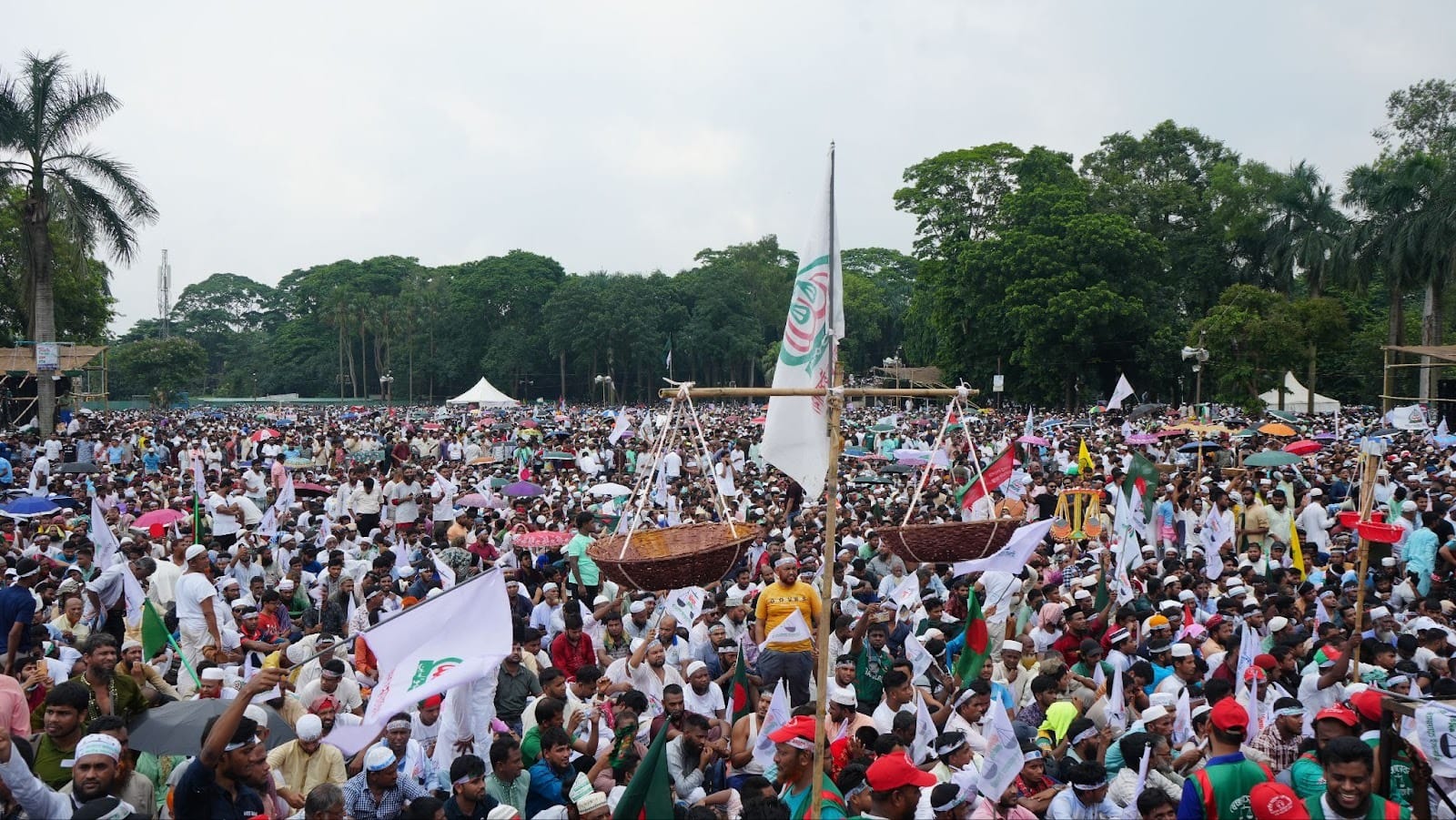
The electoral contest was primarily shaped by two blocs: one led by the Bangladesh Nationalist Party (BNP) and the other by Bangladesh Jamaat-e-Islami. Despite their history of joint anti-Awami League movements and their coalition government from 2001 to 2006, the two parties entered the election as rival alliances.
Results and Political Context
According to the results announced by the Bangladesh Election Commission, the Bangladesh Nationalist Party (BNP) and its allies secured a parliamentary majority in the 13th National Parliament election. Out of 299 seats, the BNP won 209 seats, while its alliance’s total rose to 212, ensuring a clear majority in parliament. The party’s chairman, Tarique Rahman, has assumed office as Prime Minister.
The second-largest force, Bangladesh Jamaat-e-Islami, won 68 seats, and its Ameer, Shafiqur Rahman, became the Leader of the Opposition. Meanwhile, the National Citizen Party (NCP), a student-led group that emerged during the July uprising, secured six seats. Although it contested the election in alliance with Jamaat, their broader alliance won 77 seats.
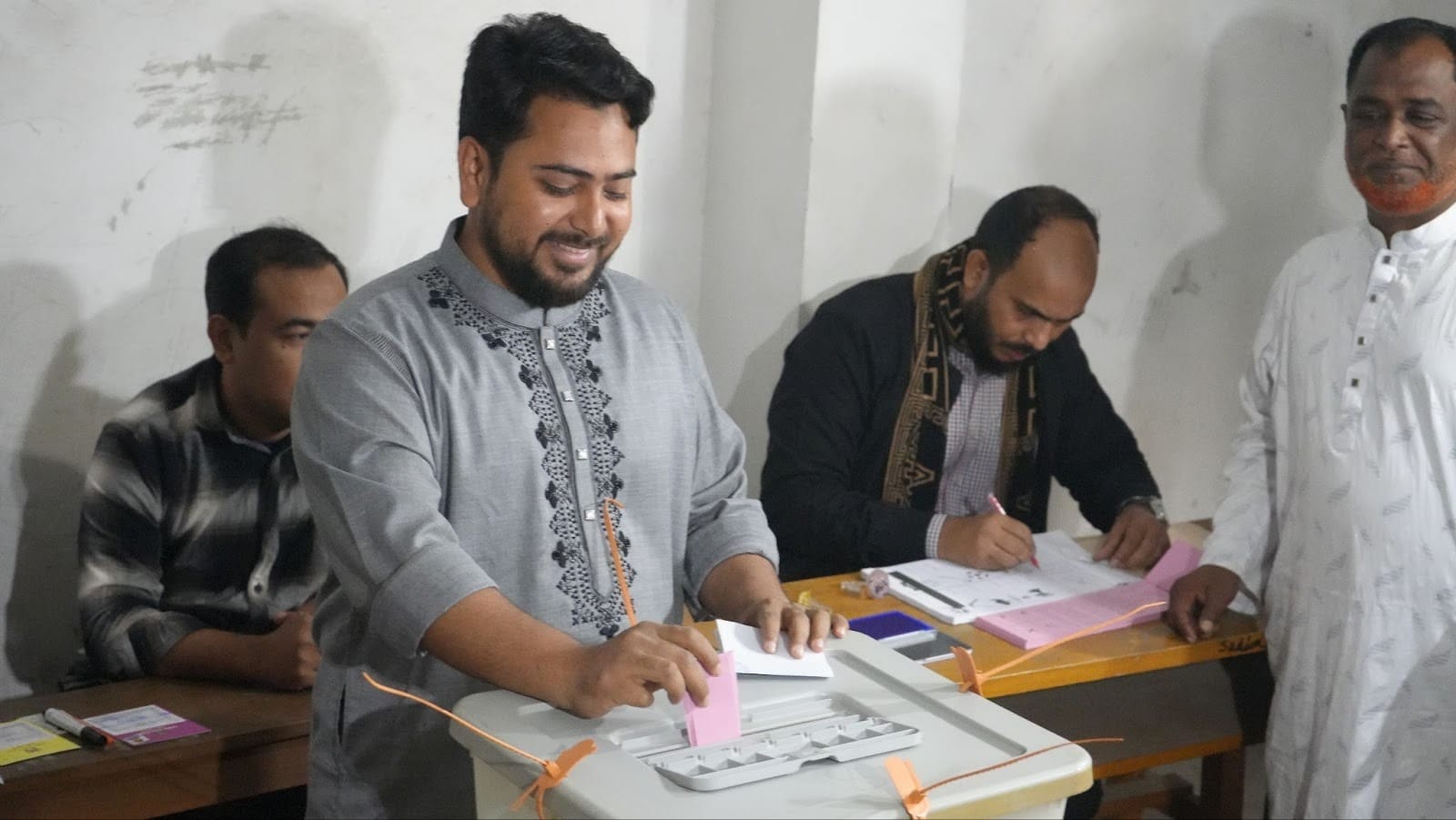
Smaller parties and independent candidates secured the remaining seats. The Election Commission has so far announced results for 297 constituencies, while the outcomes in two seats remain pending due to court-related matters.
According to official figures, voter turnout stood at approximately 59.44 percent. However, independent observers and civil society representatives said turnout varied significantly across regions, with some areas reporting comparatively low participation, fueling debate over the overall level of electoral engagement.
The European Union deployed a full-scale election observation mission to Bangladesh’s 2026 parliamentary polls for the first time in 17 years. At a press conference in Dhaka on February 14, the chief observer of the EU Election Observation Mission (EU EOM) said the elections were credible, competitive, and broadly peaceful, with fundamental freedoms largely respected and the Election Commission operating independently and transparently.
Observers noted that the voting and counting processes were orderly and transparent, adding that the presence of party agents enhanced procedural transparency. In contrast, the participation of citizens and youth observers helped strengthen public confidence in the electoral process.
Iftekharuzzaman, Executive Director of Transparency International Bangladesh (TIB), described the election as “acceptably participatory and inclusive.” He said there were no obvious signs of election engineering and that the overall process appeared fair, impartial, and competitive.
Overall, the vote, held in the absence of a major traditional political party, has reshaped Bangladesh’s political landscape, creating a new balance of power. International and domestic observers continue to closely monitor the realignment of political forces, the restructuring of coalition politics, and questions surrounding electoral legitimacy.
Women’s Participation: Visible but Limited Representation
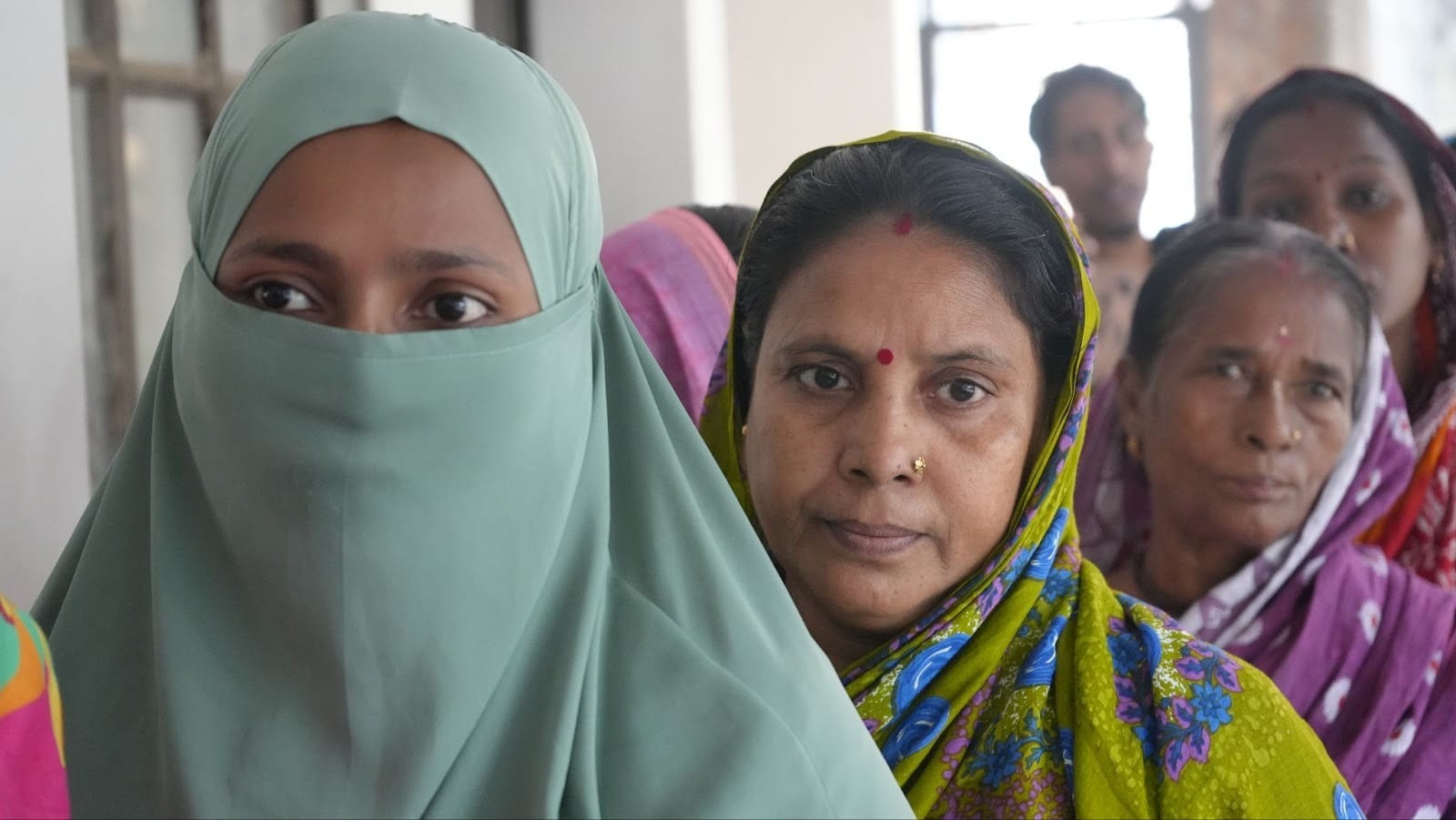
According to the Bangladesh Election Commission, a total of 127.7 million voters were registered for the 13th National Parliament election, nearly half of whom, about 62.8 million, were women. Despite this, women’s representation in the electoral process remained significantly limited.
Women candidates and voters reported that misogynistic rhetoric and discriminatory practices before and during the election hindered their participation.
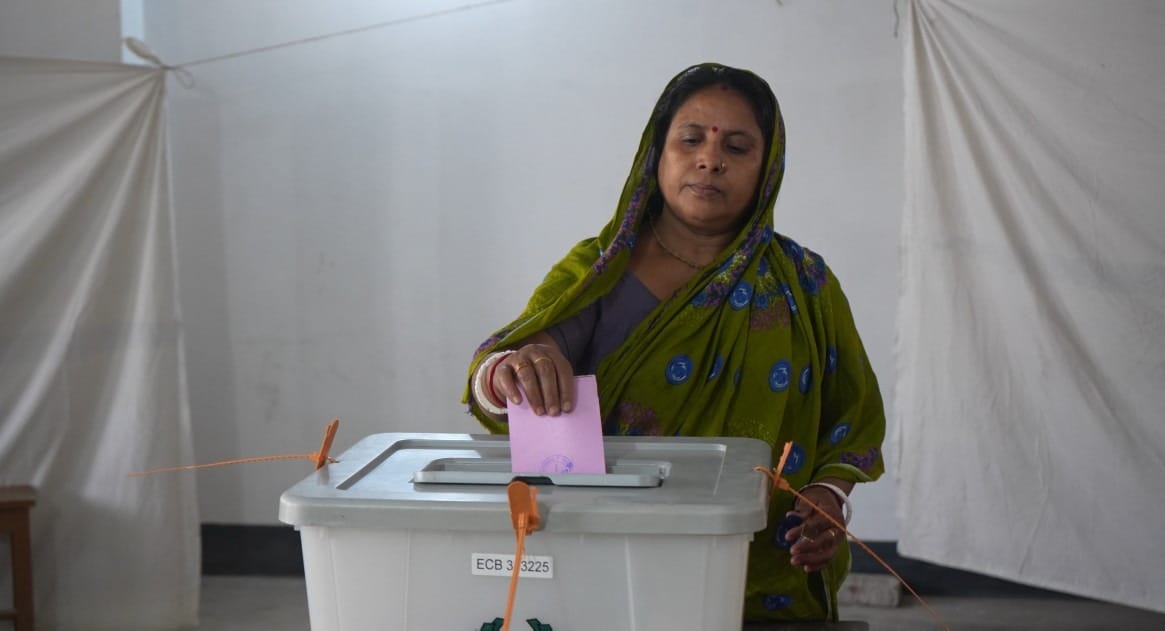
Out of 2,280 candidates, only 87 were women, and just seven secured direct electoral victories. With the inclusion of reserved seats, the total number of women members of parliament is expected to reach 57, accounting for roughly 16 percent of the legislature.
The Bangladesh Nationalist Party (BNP) nominated 10 women candidates, six of whom were directly elected. In contrast, Bangladesh Jamaat-e-Islami did not nominate any women candidates. Overall, 30 of the 51 registered political parties failed to nominate a single female candidate.
The number of directly elected women lawmakers declined sharply in the latest election compared with previous cycles. In 2008, 19 women were directly elected, rising to 23 in 2014, 22 in 2018, and 19 in 2024. In the 2026 election, however, the figure fell to just seven. The 2014, 2018, and 2024 elections have been widely criticized by some observers as being one-sided and lacking competitiveness.
The chief observer of the European Union Election Observation Mission (EU EOM) said that limited political space for women continued to hinder their equal participation in the electoral process.
Analysts say that despite rhetorical commitments by political parties to women’s inclusion, there has been insufficient practical effort to increase nominations and representation. The election outcome is likely to pose additional challenges for the new government in advancing women’s political empowerment.
Women’s rights researcher and Nari Paksha founder Shirin Parveen Haque said political parties lack a genuine commitment to promoting women into leadership roles. “Although women’s participation as voters has increased, their presence in political decision-making remains largely symbolic,” she said, adding that this has created a persistent gap between participation and power.
Rise of Jamaat in the Absence of the Awami League
In the absence of the Awami League, Bangladesh Jamaat-e-Islami has emerged as the principal opposition force in the election. The party recorded its strongest electoral performance in decades, winning 67 seats and returning to parliament after a 13-year absence, having secured only two seats in 2008.
According to official figures from the Election Commission, the Bangladesh Nationalist Party (BNP) secured 49.97 percent of the vote, fielding candidates in 290 constituencies. Bangladesh Jamaat-e-Islami received 31.76 percent of the vote, with candidates contesting 227 seats.
The National Citizens Party (NCP), a student- and youth-led party that emerged from the July mass uprising, ranked third in terms of vote share, securing 3.05 percent after fielding candidates in 32 constituencies. The NCP contested the election as part of an 11-party alliance led by Jamaat.
Bangladesh Jamaat-e-Islami has a long electoral history. The party won 18 seats in 1991 and later formed a coalition government with the Bangladesh Nationalist Party (BNP) in 2001. Jamaat faced setbacks in the 2008 election and subsequent years. Although the High Court cancelled the party’s registration in 2013, the ban was lifted during the 2024 mass uprising under the interim government, allowing Jamaat to participate in elections once again.
While Jamaat contested the 2026 election as the main rival of the BNP, its parliamentary representation remained limited to its role as the principal opposition party.
Challenges Before the New Government
After a 17-year exile in the UK, Bangladesh Nationalist Party (BNP) Chairman Tarique Rahman returned to Bangladesh on December 25, 2025. Less than two months later, he was sworn in as Prime Minister on February 17, 2026.
In his first press conference following the election victory on February 14, Tarique Rahman pledged to restore effective governance and strengthen parliamentary institutions after more than a decade and a half.
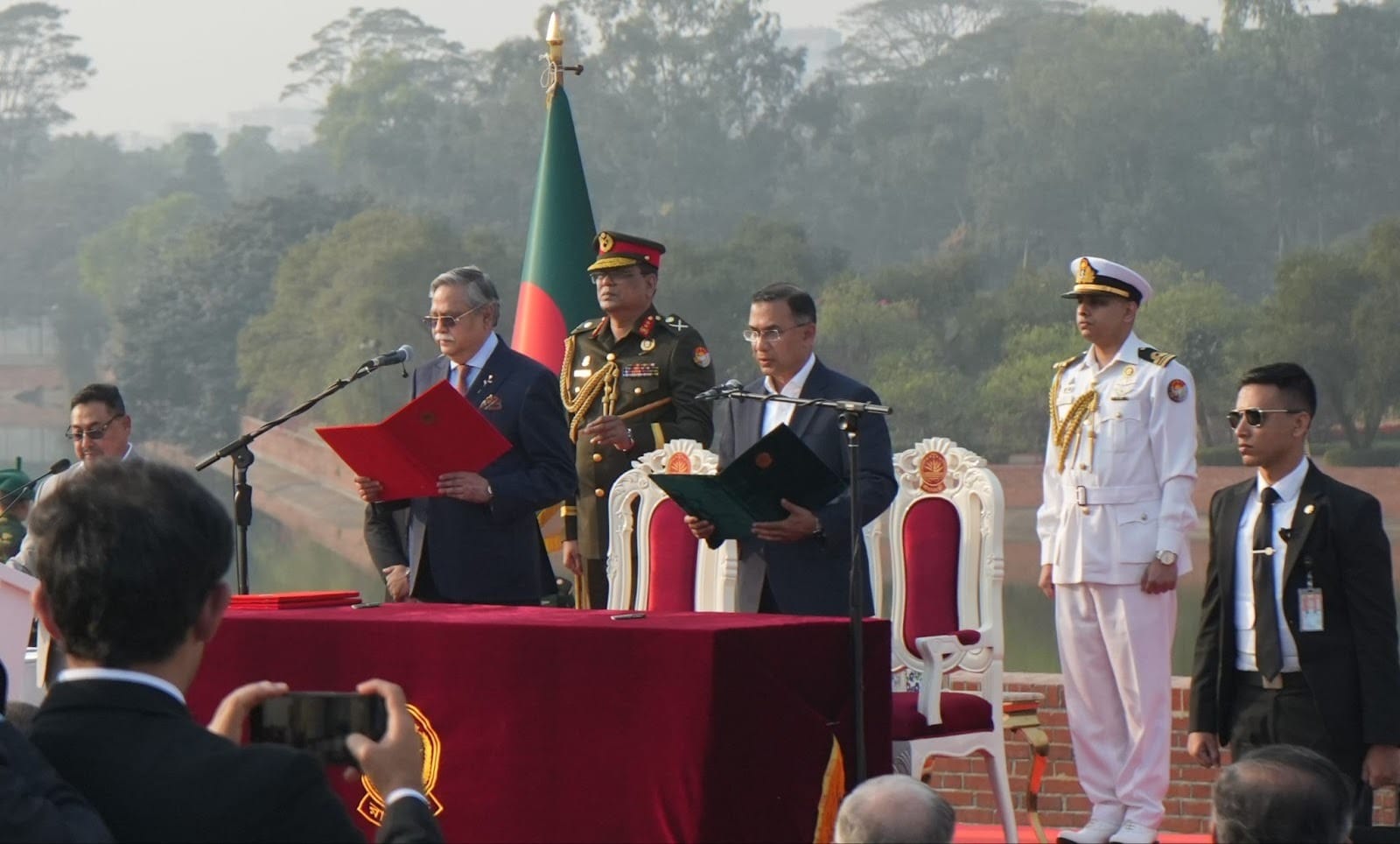
“We are beginning our journey amid a fragile economy, weakened constitutional institutions, and challenges in law and order,” he said.
Although the Bangladesh Nationalist Party (BNP) has prior experience in government, its previous tenure was marred by allegations of corruption. This marks Tarique Rahman’s first term as Prime Minister, and he faces several pressing challenges. Critics have highlighted past corruption allegations against Rahman during his leadership of the party, particularly when his mother served as Prime Minister.
In the economic sphere, high inflation, currency depreciation, and a foreign exchange reserve crisis are severely affecting the lives of ordinary citizens. According to UNDP data, more than 40 million people live in extreme poverty, while unemployment among millions of young people has added further pressure on the government.
Among the BNP’s election promises, the implementation of women’s allowances and “family cards” for poor households now stand out as major economic and administrative priorities.
Analysts say the new government faces two primary challenges: stabilizing the economy and securing sufficient funding to deliver on pre-election promises.
“There will be some pressure on the government in this situation,” said Parvez Karim Abbasi, assistant professor of economics and political analyst at East West University. “The government has taken office and begun consultations with the business community, which has started to place trust in its leadership. For now, this approach appears promising,” he added.
The BNP-led government has unveiled a 180-day special action plan to implement its pre-election pledges. The decision was made at the first cabinet meeting chaired by Prime Minister Tarique Rahman on February 18 at the Secretariat. Abbasi described the 180-day plan as a positive step.
In the political and diplomatic sphere, the new government faces the challenge of rebuilding relations that were strained during the tenure of former Prime Minister Sheikh Hasina, as well as implementing agreements to expand trade and reduce tariffs with the United States.
Speaking at a weekly briefing on February 20, Indian Foreign Ministry spokesperson Randhir Jaiswal said New Delhi aims to strengthen overall bilateral relations with Bangladesh’s new government and foster warm, positive ties with Dhaka.
Bangladesh’s new State Minister for Foreign Affairs, Shama Obaid, said the government intends to advance relations with all countries while maintaining an independent stance in foreign policy. “The foreign policy of a democratic government will be ‘Bangladesh First,’ prioritizing the country’s interests in every decision,” he added.
Reform Challenges for the New Government After Parliament and Referendum
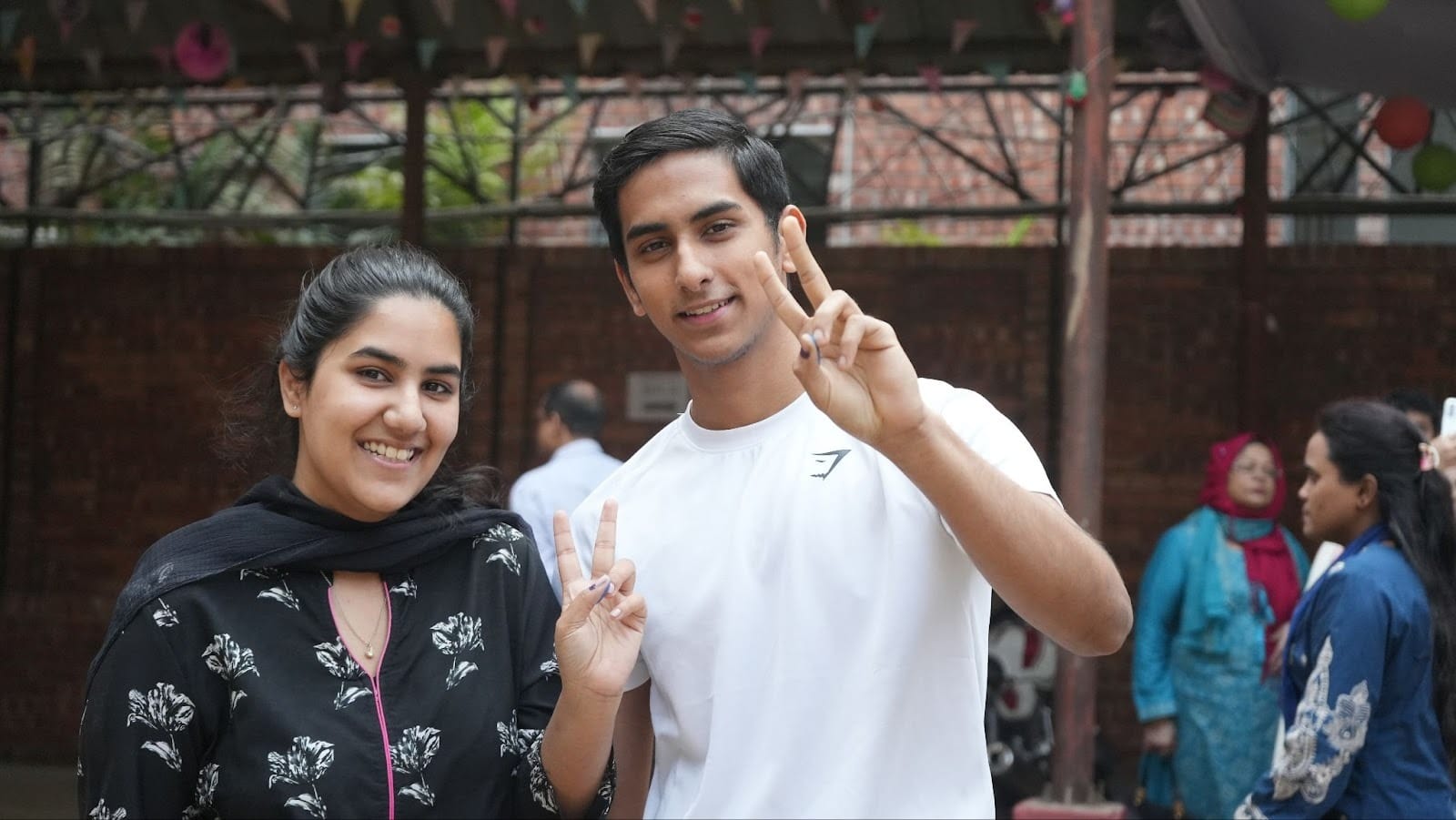
A referendum was held in Bangladesh alongside the general election, with voters approving the proposed measures. As a result, key constitutional reforms are now expected to be implemented in line with the referendum mandate.
Implementing these reforms has emerged as a major challenge for the BNP-led government. After the election, members of parliament were expected to take the oath alongside the Constitutional Reform Commission, but BNP MPs did not do so, drawing strong reactions from opposition parties.
Professor and political analyst Parvez Karim Abbasi, however, downplayed the significance of the reform issue. “Since there is a political government, reforms can be made through discussions in parliament,” he said.
Reporting Maruf Hasan - (marufhasan57983@gmail.com)