(Long Read) Defying the Coup, Still in Hiding
By Dunia
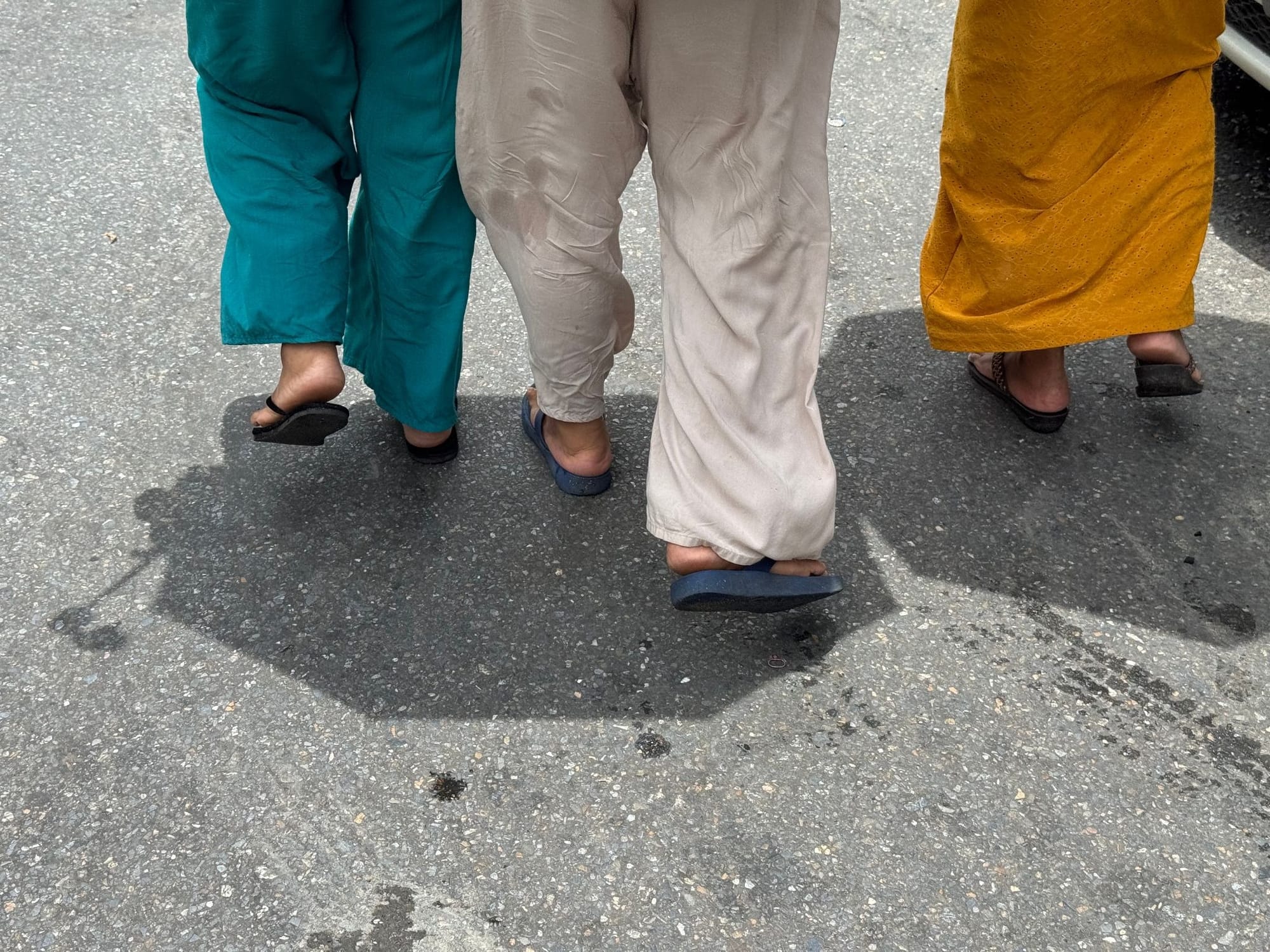
YANGON – Moon (pseudonym, 33) limped on her right leg. Among her toes that should have pointed straight ahead, her right big toe turned outward at a 90-degree angle. Seeing her waddle heavily, the reporter asked if she had injured her leg. Looking back, she merely told the reporter that she had "met with an accident" and continued her uncomfortable steps forward. Her eyes, constantly surveying her surroundings, were searching for a safe spot — free of CCTV cameras and customers — where she could escape public attention. She had already been walking in the blistering heat for 20 minutes.
The first place the reporter met Moon was at J'Donut near a market on the outskirts of Yangon. It is one of the most common donut franchises in Yangon. We chose it because it had air conditioning and no customers. The midday outdoor temperature was exceeding 35°C. As soon as Moon entered J'Donut, where the reporter and the interpreter were seated, she quickly scanned the corner of the ceiling and the three employees at the counter, then made eye contact with us. Moon sat across from us. After a smiling greeting, Moon conveyed through the interpreter that this place had too many CCTVs and the employees could overhear our conversation, expressing her wish to move elsewhere. We immediately stood up and hit the road.
After walking back and forth through the market street two or three times and inspecting various tea houses, Moon agreed to return to J'Donut only after confirming that the only quiet, empty space was indeed the J'Donut we had first visited. Instead, she said we would have to move again after an hour.
"I started participating in the protests on February 6, during the 2021 Spring Revolution. I was among the first to contact labor organizations across various districts in Yangon. In Hlaing Tharyar (a township in western Yangon), the military fired machine guns at all the protesters, drenching the streets in blood. There were also many snipers. I almost got shot by a sniper, but a young boy shielded me. That boy was struck directly in the throat and died on the spot. I was shouting slogans while protesting when he told me to sit down and blocked the shot with his body. Many people died from sniper fire that day. I crawled into a roadside drainage ditch and made my way back home in hiding through it."
As soon as she opened her mouth, Moon poured out memories of every single day following the February 1, 2021 military coup as if it had happened yesterday. Without needing any prompts, she spilled out her memories nonstop for 40 minutes. Except for moments when the interpreter translating the story into English became overwhelmed with emotion and had to wipe tears and catch her breath, Moon did not stop speaking. Moon patted the interpreter on the shoulder to comfort her.
"In Hlaing Tharyar, CDM (Civil Disobedience Movement) nurses and doctors treated the wounded in their homes. But soldiers broke into the houses and killed everyone — doctors, nurses, and the wounded alike."
Moon’s story was filled with accounts of how relentlessly and cruelly the Myanmar military beat, trampled, and sniped at citizens who opposed the coup. Whenever one thought situations could not possibly get any worse, even more horrific scenes followed.
"I have three younger brothers who were 23, 15, and 12 years old at the time. Two of them joined the PLA (People’s Liberation Army) in Kachin State and went into the jungle; they are now captured and held in Daik-U Prison. My youngest brother, who became a high school student, was sent to our rural hometown. But he had witnessed his friends die before his eyes. Eventually, he went into seclusion in the Kachin State jungle and hanged himself from a tree. That was in September 2021."
Even so, Moon continued to protest. Then, a military vehicle rammed directly into the crowd of protesters, and Moon could not dodge it in time. The wheel of the military vehicle ran over her right leg from knee to ankle, leaving her unable to walk normally. From the military coup on February 1, 2021, until she met her husband and became pregnant with her son in 2023, Moon lived moving homes at least 6 to 7 times a year. Now, she still lives the life of a fugitive while visiting her injured, imprisoned brothers. Her brothers were severely injured in an explosion while manufacturing homemade bombs as UG (Underground) operatives belonging to the KIA (Kachin Independence Army) in Yangon, and were caught by police on the spot. One brother lost an ear and his hearing, while the other suffered severe facial burns.
"I think we need to change locations. We’ve been here too long."
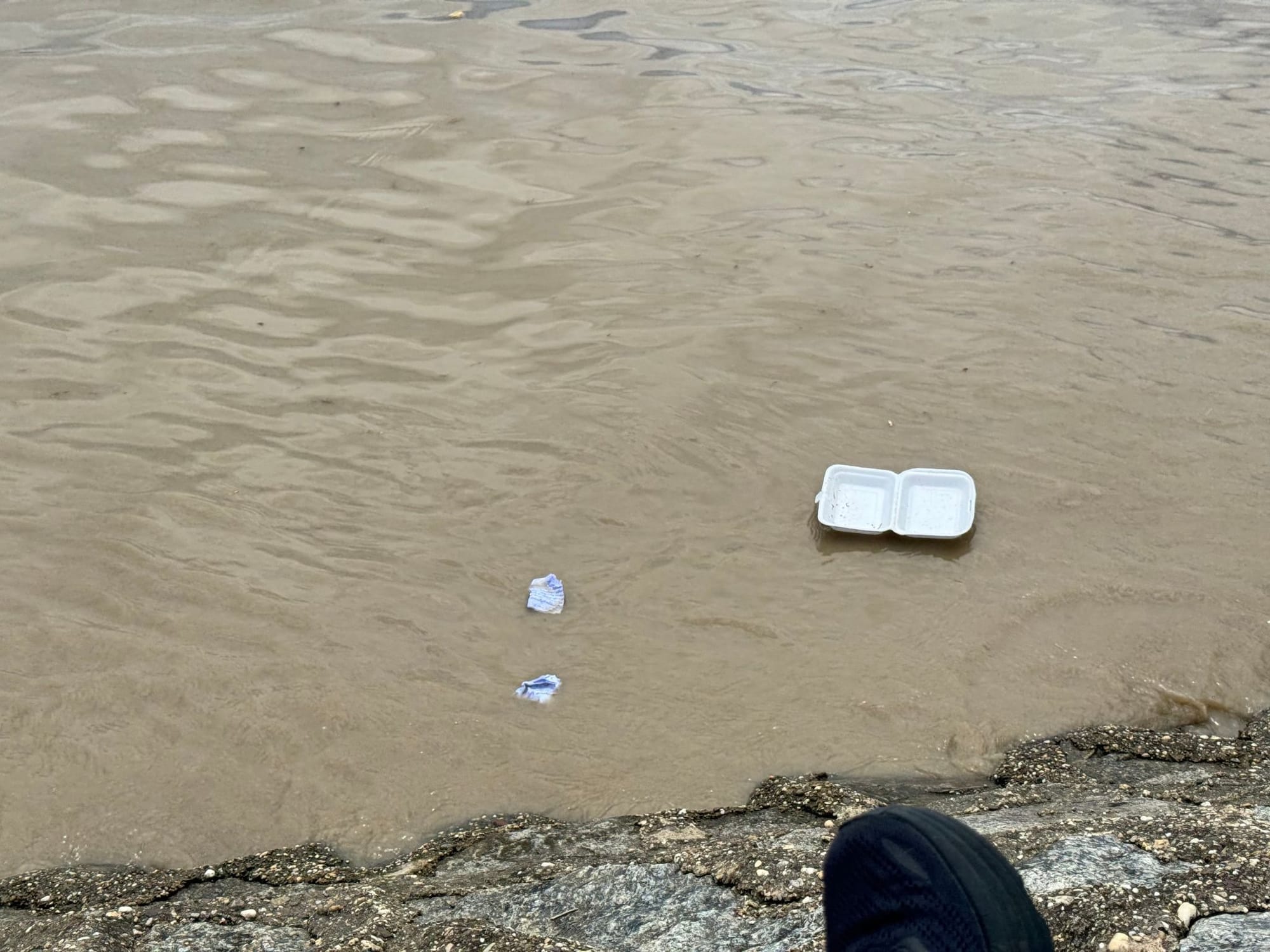
We stood up right then and continued our conversation sitting by the banks of the Yangon River under the hot sun. In between, the interpreter tore out notebook pages containing notes of our conversation, crumpled them up, and threw them into the Yangon River. She said it was for security reasons.
"My younger brothers underwent painful surgeries without anesthesia and were transferred from Insein Prison to Daik-U Prison in Bago. Because they couldn't receive proper treatment, their wounds became infected. They have been imprisoned for four years now, and due to terrible prison sanitation, everyone has contracted skin diseases."
Moon said that every day, dragging her injured leg, she sells fruit at the train station to earn 20,000 kyat (approx. USD 5) daily. Combining this with caring for tuberculosis patients and picking chilis in fields she earns 400,000 kyat (approx. USD 100) per month. Over the past two years, she sends part of this money twice a month as prison deposit funds for her brothers, and uses the rest to make food that can be stored and consumed over long periods.
Htet Htet (pseudonym, 42) took a 3-hour bus ride with Moon to meet the reporter. She was Moon's neighbor five years ago.
Htet Htet, who used to work mixing and moving cement at construction sites in Yangon, Myanmar's largest commercial city, joined the protests after seeing people shot and falling before her eyes on March 4, 2021.
This was just a month after the military led by Senior General Min Aung Hlaing staged a coup on February 1. Protesters scattered by gunfire fled into the construction site where she worked. Those who failed to hide in time inside the construction site took shelter in drains, street alleys, and under buses. The muzzles of guns aimed by snipers were visible from high-rise bank buildings like AYA Bank, CB Bank, and KBZ Bank.
"No matter how much you hide, you can't avoid sniper bullets. So many people were shot dead."
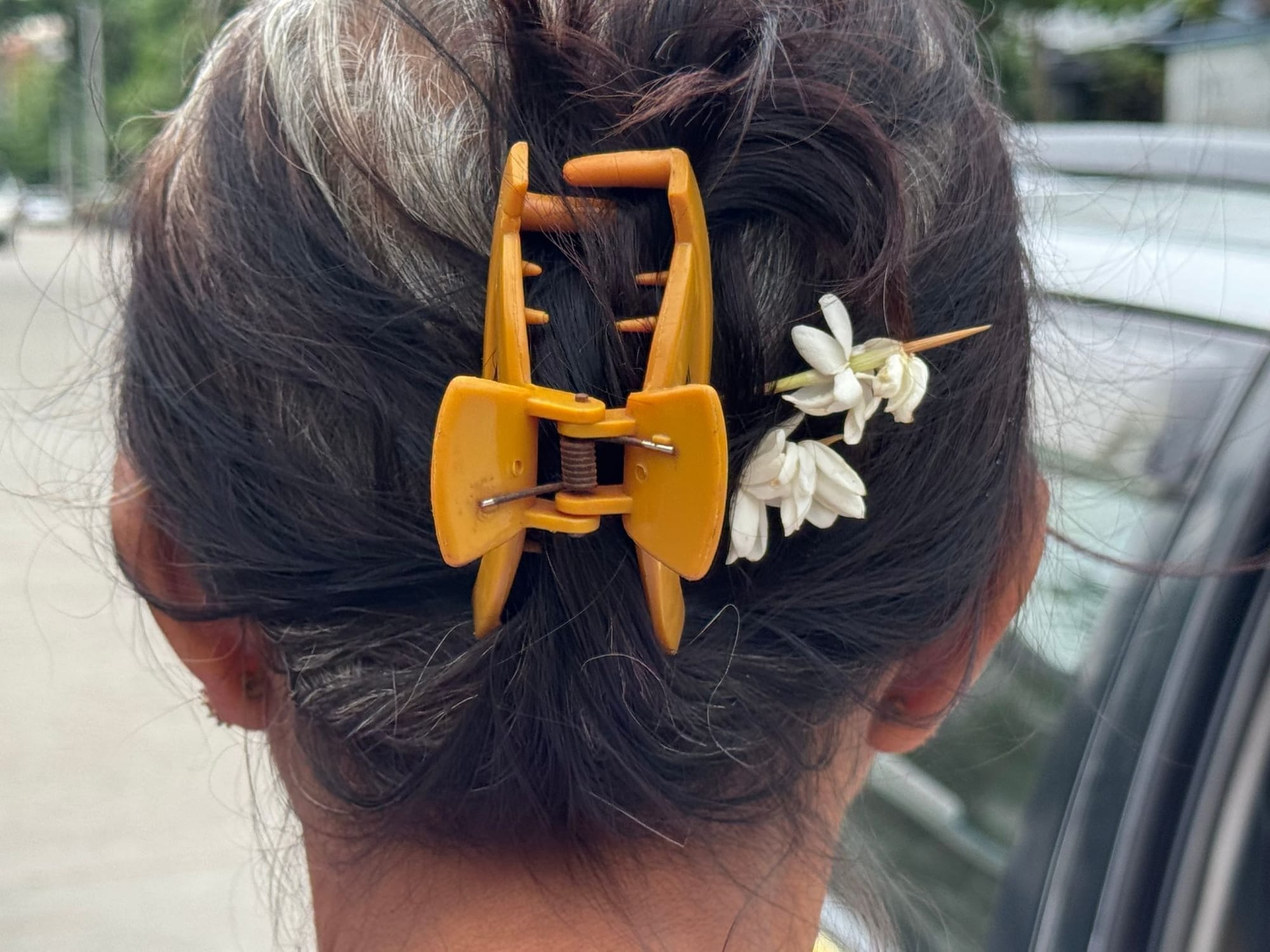
In May 2021, entering the third month of the coup, many citizens in Yangon wore flowers in their hair symbolizing Aung San Suu Kyi. In the Hlaing Tharyar Industrial Zone located in western Yangon, commuting workers wore flowers in their hair demanding democracy and peace. When Htet Htet was waiting for buses and trucks alongside factory workers on their morning commute, soldiers suddenly gathered and dragged away only those wearing flowers in their hair. She witnessed 21 women being shot to death by soldiers at the scene that morning.
"The soldiers gathered the bodies, dragged them into a nearby factory, and stacked them on top of each other like piled cargo. Then they asked the surrounding people who was going to take these bodies. They said they would shoot anyone who tried to take a body. They warned that this is what happens if you participate in the revolution. That's why the families of the deceased couldn't retrieve the bodies."
Htet Htet and others waited for nightfall. After sunset, 12 people drove a taxi into the factory and retrieved the bodies. They set the bodies adrift down the nearby Hlaing River.
"I quit work last August when colon cancer was diagnosed. I live by selling rice, oil, and thanaka to factory workers near my house. I was living with seven male relatives, including my nephew and distant relatives."
One night around 11 PM in late January 2025, a township administrator accompanied by soldiers raided Htet Htet's house. The soldiers suddenly barged into the house, checked identification cards, and took away seven male relatives, including Htet Htet's nephew. The people loaded onto a 20-seater military vehicle were young men in their teens and 20s. A few days later, local gangsters came and offered to get the abducted men out of military custody if paid. The ransom demanded by the gang was 3 million kyat per person (approx. USD 850).
Four days later, Htet Htet took out a high-interest loan at 10 percent interest to save her biological nephew. Carrying the money, she went with a gang member to the military unit where her nephew was reportedly held. When she handed over a black plastic bag packed with wads of cash, one of the 40 to 50 soldiers immediately brought her nephew out upon receiving the money. Dark blue bruises were visible on his face and neck, and blood had dried from one ear. Htet Htet and her 28-year-old nephew returned home immediately.
In February 2024, the Myanmar military junta declared mandatory conscription targeting men aged 18–35 and women aged 18–27. Evading conscription carries a penalty of up to 5 years in prison. Entering 2025, conscription effectively turned into street abductions. According to Radio Free Asia (RFA), authorities loyal to the military junta seized about 250 young people across four major cities in December 2024 alone.
Htet Htet's two other nephews packed lunch boxes and went out to look for daily labor jobs in late January 2025, but were seized by the military and have not returned. This also happened in late January 2025.
"I’d like us to change locations."
Sitting beside the Yangon River talking to the reporter, Htet Htet became conscious of the glances from passersby. We moved locations once more to continue our conversation.
"My nephews are teenagers. I heard that on that day, they heard there were daily labor jobs and followed a stranger. But that person handed the kids over to the military for money. We filed a missing person report with the police and searched for the kids for two months."
One day in April 2025, a phone call came from an unknown number. It was the voice of her older nephew. The 16-year-old nephew explained to Htet Htet that he was currently in a military unit inside the forest and had to undergo military training for six months. Both nephews had attempted to escape as soon as they entered the military camp, but were recaptured. For several days after that, they were tied hand and foot, subjected to torture and beatings by soldiers, and then sent into the jungle of Rakhine State. After this phone call, the whereabouts and survival of the two nephews became unknown.
"I guess they are fighting against the AA (Arakan Army). I also heard that if deployed to the frontline, the monthly salary is 200,000 kyat (approx. USD 55). In our April phone call, my nephews said they had a secret plan to raise a white flag if they met the PDF (People’s Defense Force)."
Htet Htet said that incidents where young men in their teens and 20s suddenly vanish one day are common among neighbors in the Shwepyitha Industrial Zone (one of Yangon's major manufacturing and logistics hubs). She added that there is hardly a household that hasn't experienced this. Htet Htet said she didn't know why the government was taking young people in that manner, but she knew for certain that they needed young people.
According to the local Myanmar news outlet The Irrawaddy, organizations formed by military defectors analyzed that about 70 percent of conscripts at military training centers were brought in through coercion, local arrests, or night abductions. Conscription is expanding even more systematically in 2026. According to ASEAN Parliamentarians for Human Rights (APHR), in May this year, the Defense Minister directed cooperation with the Immigration Department to compile conscription lists based on household records containing birth dates and occupations, targeting approximately 13 million people. Deserters testify that young people dragged in are deployed as cannon fodder to the frontlines without even being provided adequate ammunition.
Panda (pseudonym, 42), who was listening to the stories of Moon and Htet Htet, quietly wiped away tears and smiled alongside them whenever they cried or laughed. Possessing short-cropped hair and large eyes, she moved along with the reporter, interpreter, Moon, and Htet Htet. When her turn came, Panda suggested changing locations.
A sudden squall poured down, making it impossible to sit by the Yangon River and converse any longer. We entered a bar that had opened early. In an interior decorated entirely in black, five people squeezed onto a wide black sofa. Panda did not even order a drink. Sitting cross-legged right next to the interpreter, Panda turned her body toward her and began whispering her story directly into her ear.
Panda had hidden Moon's two younger brothers in her home when they returned to the city as underground operatives after joining the armed struggle in the jungle. On March 12, 2022, Moon's two brothers met with an explosion accident while manufacturing improvised bombs at Panda's house. The two were arrested by police immediately, and the weapons and bomb-making materials they left behind were dumped into the stream behind the house.
"Around 8:30 PM that night, a township administrator came to my house claiming to check household registration records. But in reality, he came looking for evidence based on information extracted during interrogation from Moon's arrested brothers, who said they had hidden weapons at our house."
The township administrator brought a total of 75 soldiers to inspect Panda's household registration. 25 soldiers were inside the house while the remaining 50 waited outside. When Panda insisted there was nothing, soldiers jabbed a stun gun against her body. On one side, soldiers began tearing Panda's house apart. Panda feigned ignorance, but the soldiers began beating her as if it didn't matter whether she knew or not. Finding no trace of anti-junta armed resistance weapons, they left.
Around 4:30 PM the next day, a military truck returned to Panda's house to arrest her. Soldiers pulled Panda's hands behind her back, handcuffed her, and blindfolded her with a cloth. When she arrived at what she assumed was an interrogation room, and throughout the subsequent interrogation, Panda remained in that state.
Sitting on a chair, Panda was beaten by soldiers with iron rods and combat boots, focusing heavily on her shoulders and knees. At one point, she heard the sound of a gun being cocked, and felt the muzzle pressing against her head. A male voice said they would shoot her right then if she didn't reveal the location of the weapons. Panda refused to speak until the end.
"I remember undergoing that kind of interrogation for about 5 days. When I refused to give the answers they wanted to the end, they brought food and said it was my last meal. I was so thirsty that I said never mind the food and asked for water. My eyes remained blindfolded the whole time. I gobbled down the water without even knowing if what they gave me was really water."
One soldier removed the cloth blindfolding Panda's eyes and held up a mobile phone screen. It was Panda's phone. Claiming there was a text message passage where Panda mentioned stashing away weapons, the soldier began shouting demands for the location.
"Suddenly, he pressed a gun directly against my genitals, demanding I quickly reveal where the weapons were hidden. In truth, I had thrown the weapons and bomb-making materials into the drainage ditch behind the house."
However, Panda did not tell the truth, so the soldiers repeatedly aimed gun barrels at her genitals, ruthlessly stomped on her knees, hit her head, pulled her, and choked her. Eventually, the soldiers themselves found the weapons and firearms discarded behind Panda's house.
"Being beaten like that every morning and evening for two weeks caused my right eyebrow bone to collapse. It was fractured. Even after finding the discarded weapons, they kept beating me. Then one soldier took a front-facing photo of my face and demanded I sign a blank sheet of paper stating that I had planned all of this, hidden people, and purchased weapons from ethnic armed resistance groups. Of course, I refused. But they forcibly grabbed my hand and ultimately made me do it."
On March 28, 2022, Panda was sent straight from the military unit to the township police station. Asking a female police officer, she was told she would serve a long prison sentence because she had given money to the local PDF (People’s Defense Force). In April 2022, Panda was convicted of violating Section 505A of the Penal Code (a provision newly added to the Myanmar Penal Code amended by the junta on February 14, 2021, two weeks after the coup, penalizing inciting fear, spreading fake news, or inciting offenses against public servants with up to 3 years' imprisonment, without warrant or bail) and entered Insein Prison on the outskirts of Yangon. With the interrogation period counted as part of her sentence, Panda was released from Insein Prison on April 1, 2024, after serving 2 years and 2 months.
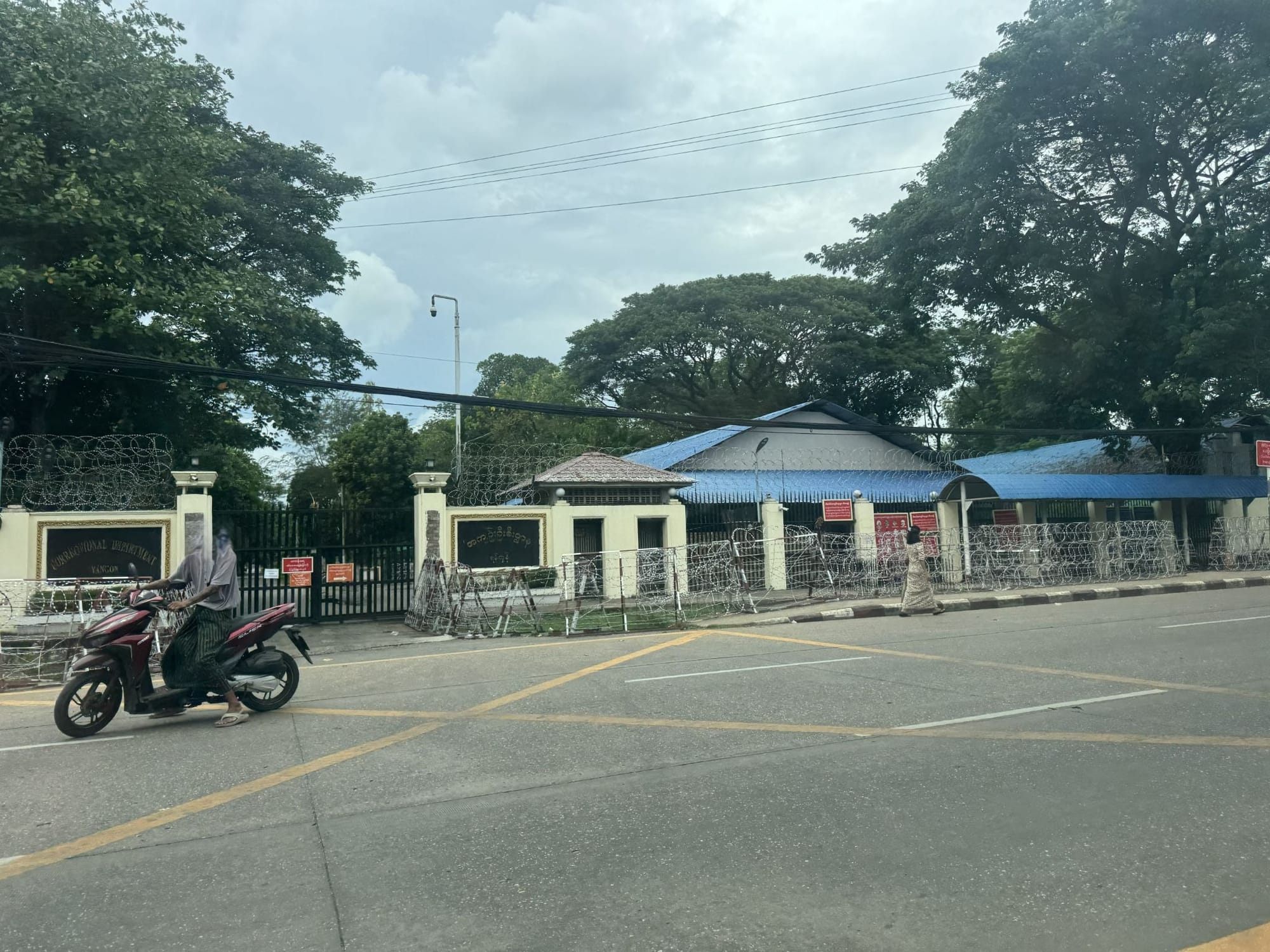
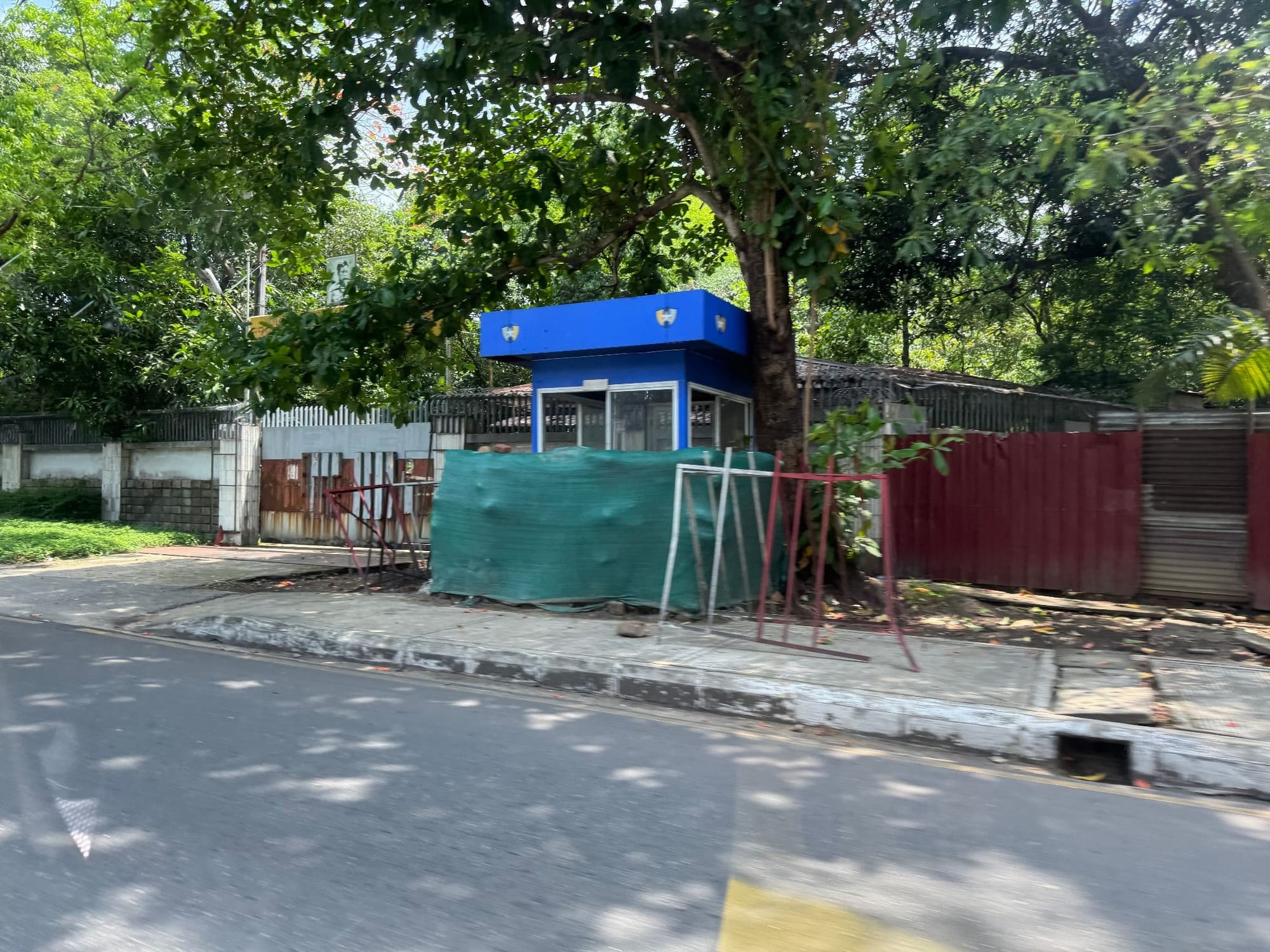
"I was imprisoned alongside female political prisoners. 100 people were crammed in one room, and there was a single toilet. Severe skin diseases were rampant inside the prison because sanitation was terrible. Even when we asked our families for medicine and ointments, the guards intercepted them and refused to distribute them. The same went for food. As if that weren't enough, once every two weeks they raided the room and confiscated all our medicine, food, and valuable belongings."
Upon her release, Panda immediately visited the International Committee of the Red Cross (ICRC). This was because she suffered from continuous severe headaches after being struck on the back of her head during interrogation at the military base. Examination revealed that the bone at the back of her skull was damaged and her nerves were injured. Although the collapsed eyebrow bone healed naturally, she can barely see out of that eye.
"I am looking for work, but it's not easy. I am surviving with help from my older sister, but if possible, I want to go work in countries like Singapore, Malaysia, or Macao. I want to support my family even if it means doing that... Right now, my only wish is for Min Aung Hlaing and the soldiers to die quickly."
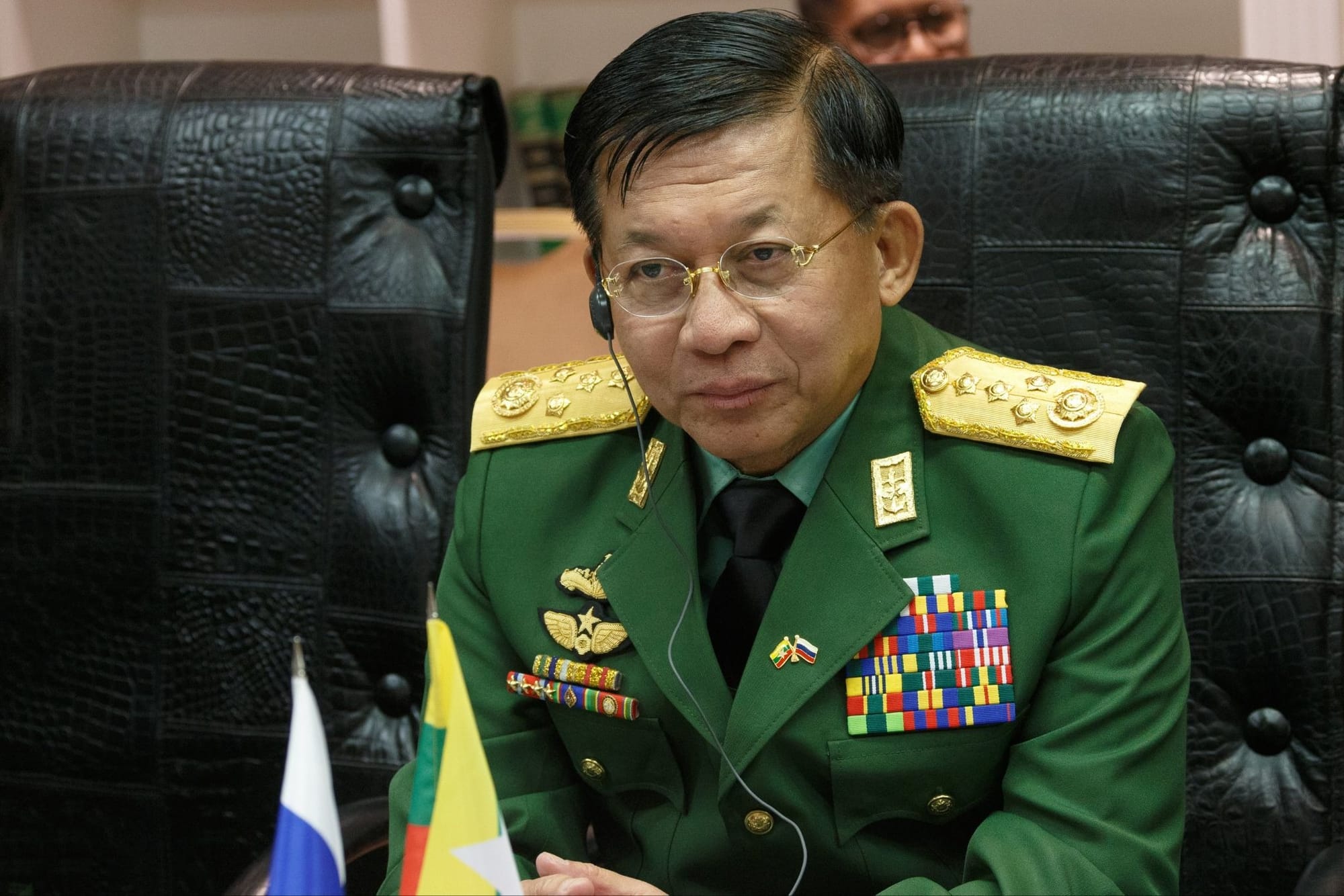
Senior General Min Aung Hlaing, who led the February 1, 2021 coup, became President in the meantime through elections held in three stages between December 2025 and January 2026. Conflict zones were excluded from voting. The popular NLD party led by Aung San Suu Kyi, which had won a landslide victory in the previous election, boycotted the election, resulting in the cancellation of its party registration. Satellite parties of the military junta won a landslide victory, taking a majority in both the upper and lower houses. As requested by the lower house, Min Aung Hlaing shed his military uniform and became President in April 2026.
On November 27, 2024, an arrest warrant was requested for Min Aung Hlaing by an International Criminal Court (ICC) prosecutor for crimes against humanity regarding the 2017 forced deportation and persecution of the Rohingya people in Rakhine State. Isolated from the international community, the Myanmar regime is concentrating all its capabilities on diplomacy to regain international legitimacy.
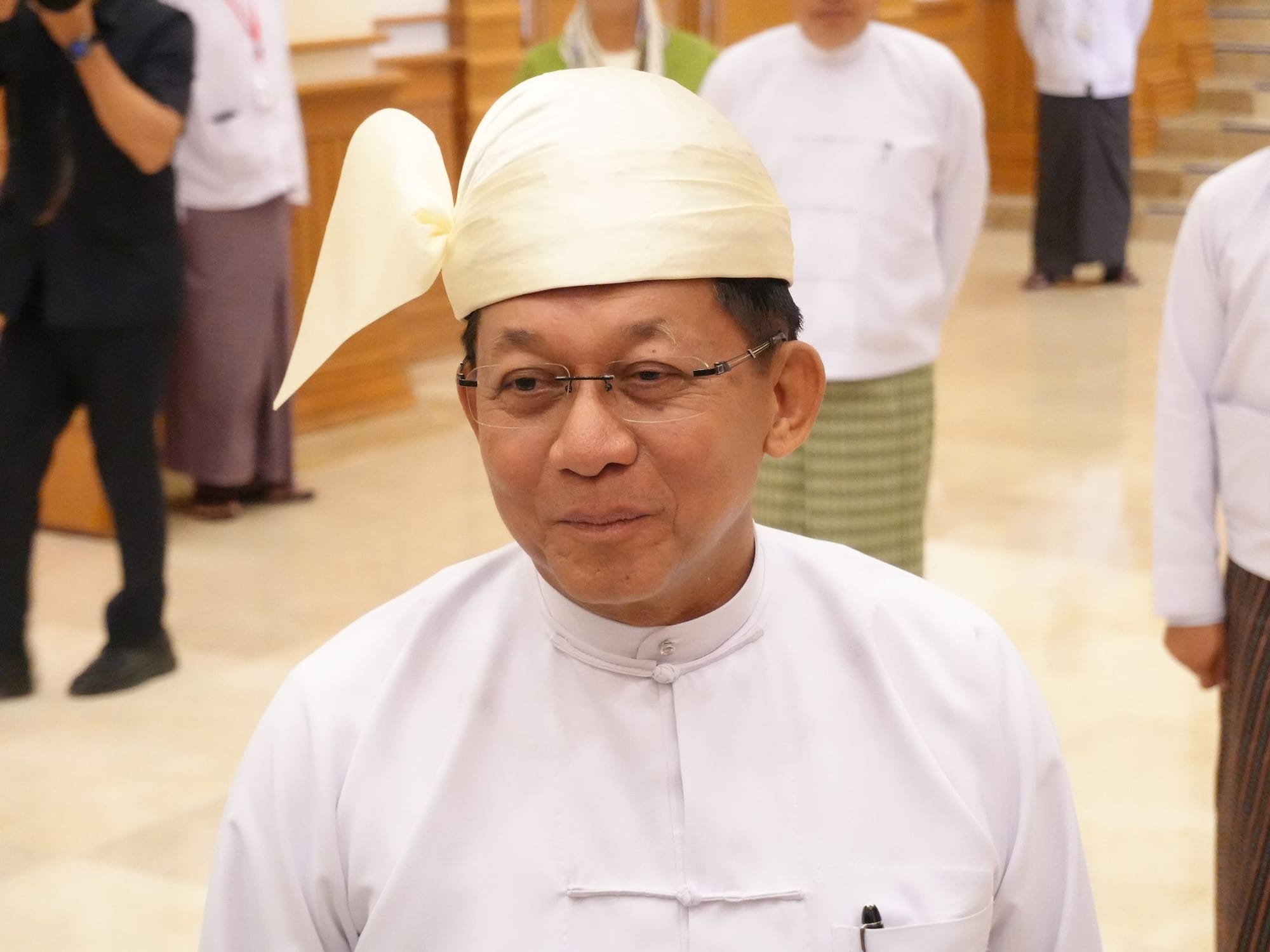
Accordingly, immediately after taking office, Min Aung Hlaing visited India in May, China in June, Thailand in August, Vietnam and Cambodia in September, and Malaysia in October.
In a recent Reuters report, senior U.S. State Department officials and others have also met "President" Min Aung Hlaing in Tokyo and Yangon since June. Visits to Indonesia and Brunei are also planned. The international community appears to be recognizing Min Aung Hlaing, who shed his military uniform, as the head of executive government in Myanmar, effectively betraying the countless Myanmar people who participated in the "revolution."
"Living feels like hell. The military junta is destroying young people's lives. Both of my younger brothers should be studying right now, but they are spending that time in prison. Many people are going abroad to work. Now that I have a child and injured my leg, I wanted to go to Japan, but I couldn't. Enduring and earning a living in Myanmar is pure hell. Both of my brothers received life sentences, and prices have skyrocketed so much now that my heart breaks because I can't even buy and send them the food and necessities they need. It is painfully agonizing, but none of us regret stepping out to protest. As long as Min Aung Hlaing is alive, everyone will suffer. Even so, I have no regrets, and I hope everyone else participates in the revolution by any means necessary."
Moon wanted to gather the strength of citizens who fight tirelessly.
"When we stepped onto the streets, we decided to move forward and resolved not to look back. Because of the injustice and inequality of the military regime, we will never go back to the past."
Aye Aye (pseudonym, 64), an OB/GYN nurse who refused to go to work at a government hospital right after the February 1, 2021 military coup and joined the CDM (Civil Disobedience Movement), is still receiving indictment letters for 'treason' from the military regime by mail as late as May 2026.
Smiling, she said she can hide at her home thanks to her husband being a Navy Lieutenant. She said she bickers with her husband every day, as he urges her to quit CDM and return to the hospital so she can collect her pension after working until retirement age at the government hospital.
"I hope Min Aung Hlaing lives a long life without dying soon, because there is so much pain he must feel before he dies. I hope he suffers greatly before he dies. And actually, people believe we are winning. Isn't the military and Min Aung Hlaing oppressing us so harshly precisely because they are afraid? That's how we see it. We believe that in the future, the people will win."
Reporting Dunia contact@thedunia.org