Myanmar's Coup Leader Is Now President: A 14-Day Field Report
By Dunia
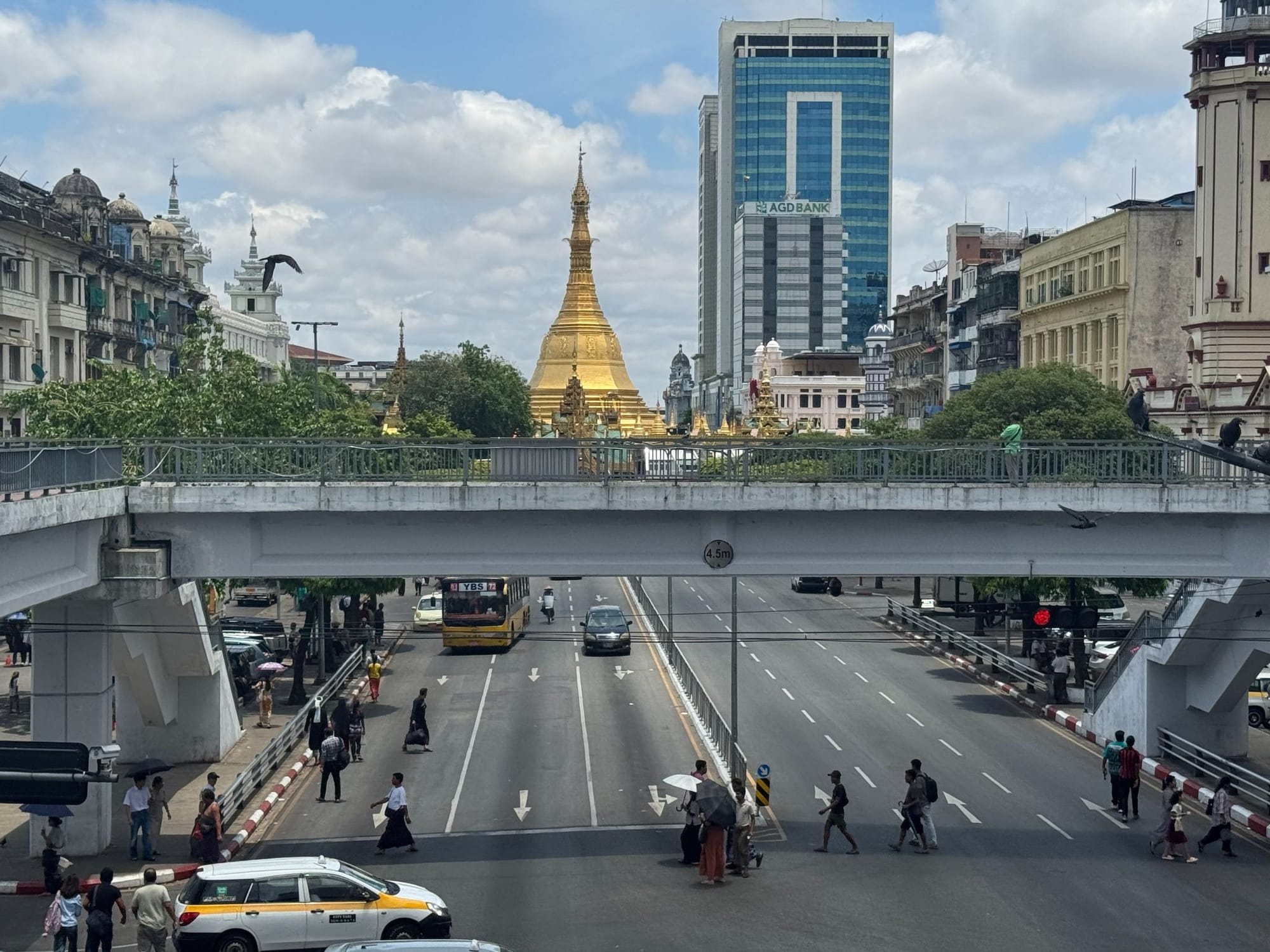
Yangon, Mandalay – Astonishing diversity. This was the thought that came to mind in downtown Yangon during Dunia’s first visit in mid-May.
Myanmar is widely known as a Buddhist nation. Yet, around Yangon City Hall in the center of the former capital, a mosque, a Baptist church, and a Buddhist temple stood side by side, separated only by a street.
A Muslim woman wearing a hijab and Thanakha (a yellowish powder made from ground tree bark in Myanmar, mixed with water and applied to the face and body to protect the skin from sun and heat) on her face, and a Hindu woman with long flowing hair and Thanakha applied to both cheeks, walked past me. Though their appearances differed, both carried the same scent of Thanakha.
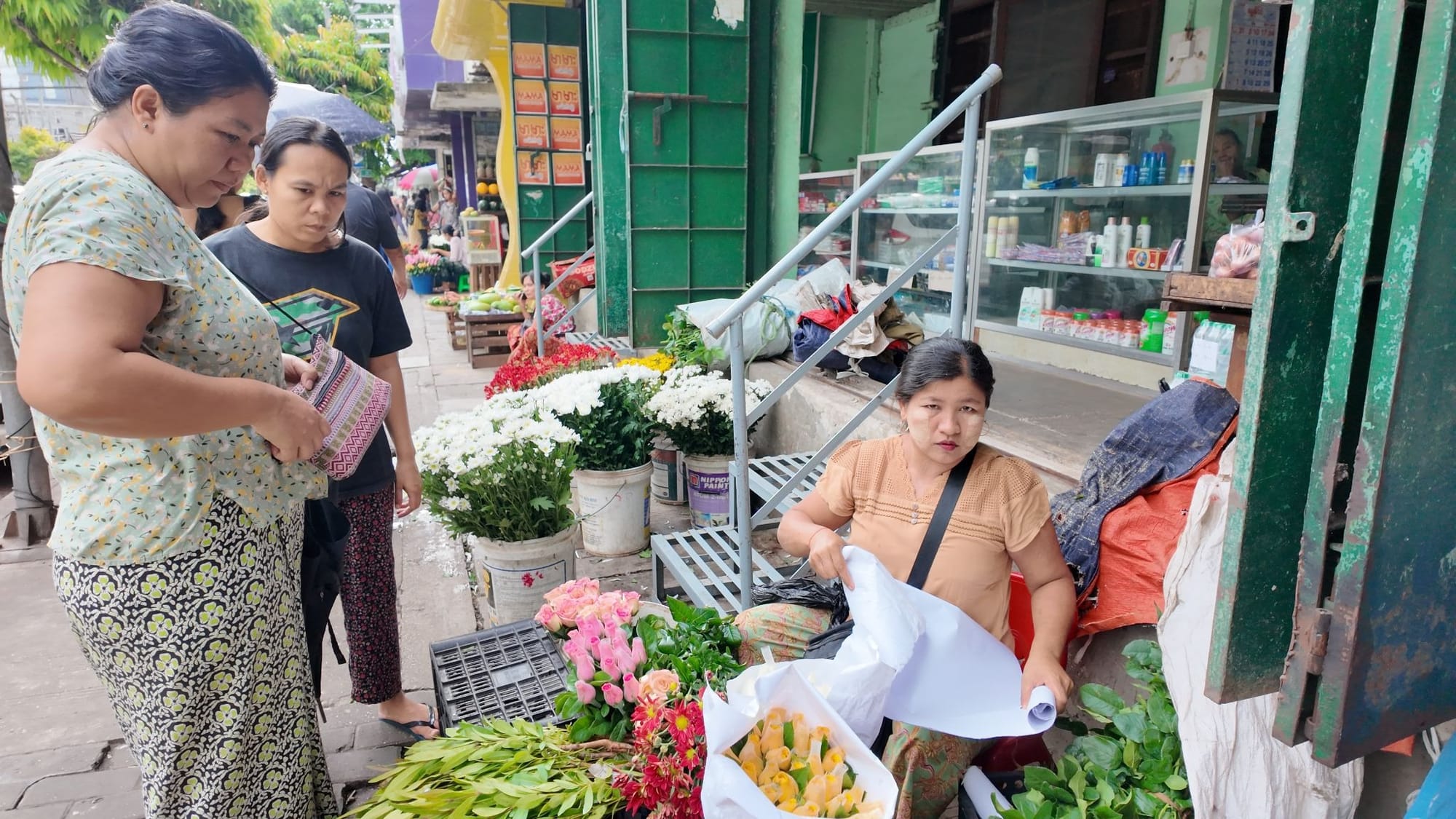
People with fair skin and dark skin, men chewing betel nuts, and women smoking cigarettes all crossed paths on the same street. After sunset, when the reporter picked up one of nearly ten local Myanmar beers from a convenience store and returned to my hostel, the sound of the Adhan (the Islamic call to evening prayer) resounded from the neighboring Madrasa (a traditional Islamic educational institution teaching the Quran, Islamic law, and theology).
Sitting alone in an 8-person dormitory room where the air conditioner and lights were turned off due to power outages, cooling off from the midday heat exceeding 35 degrees Celsius with a cold 'Myanmar Beer', the reporter thought to oneself: across my 20 years of travel experience in Asia, is Myanmar perhaps the place where the greatest degree of Asian diversity is gathered in one spot?
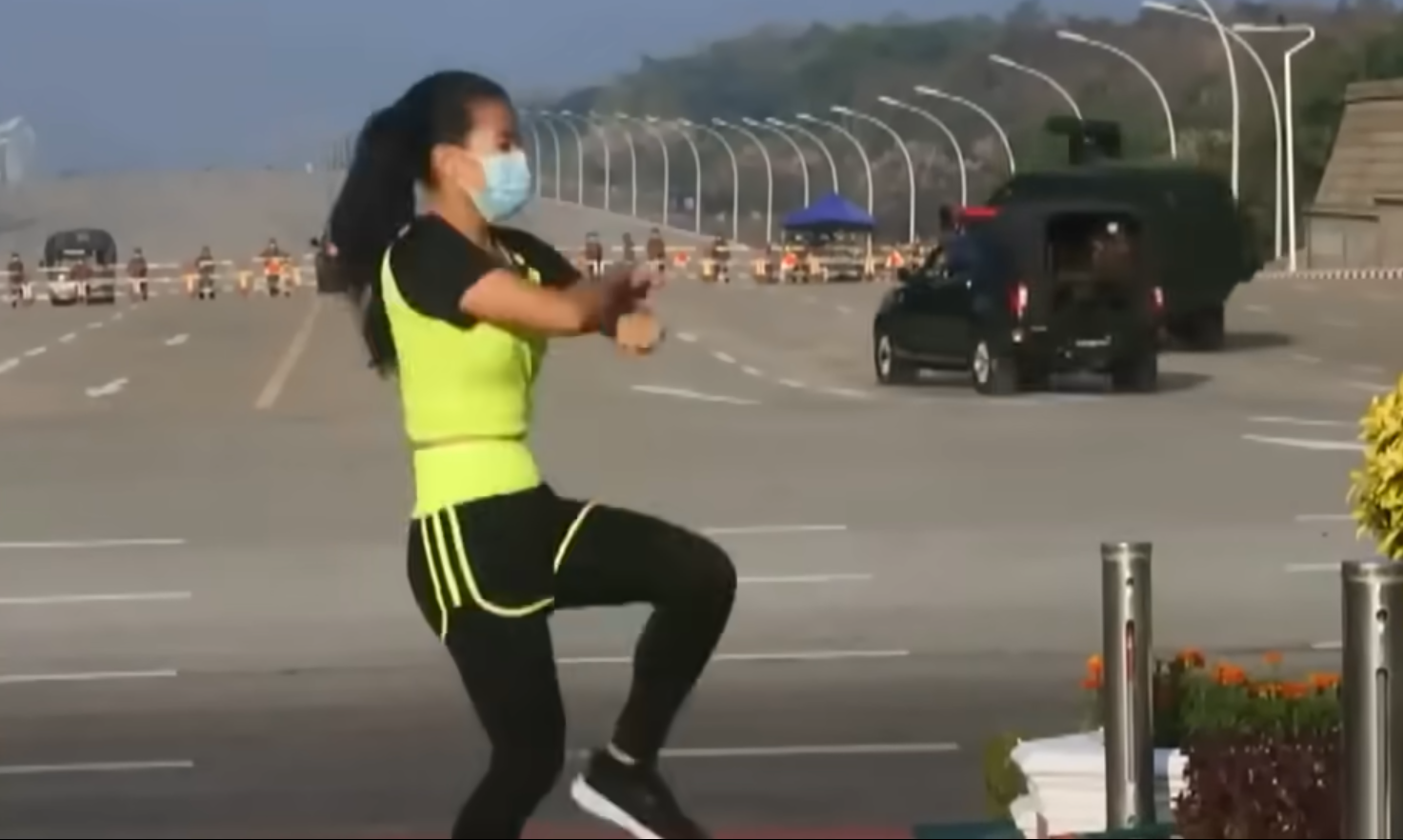
However, on the morning of February 1, 2021, the parade of military tanks that woke the administrative capital of Naypyidaw thrust this society, proud of its amazingly diverse culture, language, and religion, into fear and oppression.
"Min Aung Hlaing became president, but he is not an elected president."
San San (pseudonym, 43), a nurse who joined the Civil Disobedience Movement (CDM) following the February 1, 2021 coup, does not recognize the newly inaugurated president resulting from the general election held early this year. In her eyes, Min Aung Hlaing is merely a traitor who refused to accept a peaceful election, led a military coup, and kidnapped, arrested, and murdered Myanmar citizens.
The superficial reason given by the military led by Min Aung Hlaing for executing the coup was alleged 'electoral fraud' in the November 2020 general election. When the National League for Democracy (NLD), led by Aung San Suu Kyi, won a landslide victory, the military and its proxy party, the Union Solidarity and Development Party (USDP), claimed widespread irregularities, including voter roll manipulation. However, international election monitoring groups and the Union Election Commission of Myanmar issued statements indicating there was no evidence to support these claims.
Behind the coup lay the military's sense of crisis. Under Myanmar's constitution, the military was automatically allocated 25 percent of parliamentary seats and controlled three key ministries: defense, home affairs, and border affairs. Yet the results of the 2020 general election threatened the military's political vested interests over the long term. Ultimately, on February 1, 2021, just hours before the opening of the new parliament, Min Aung Hlaing's military seized full power by detaining government officials, including Aung San Suu Kyi.
"I hope Min Aung Hlaing and the soldiers die quickly."
Panda (pseudonym, 42), who participated in Yangon street protests after the coup and supported the activities of the People's Defence Force (PDF) and said she was captured and tortured by soldiers, whispered a curse. Having been convicted of subversion and recently released from Insein Prison after more than one year in prison, Panda was extremely anxious about surrounding eyes and ears. Throughout our conversation, Panda stayed pressed closely against me and the local interpreter, whispering into our ears.
Phyo Phyo (pseudonym, 34), a seamstress living in Sagaing Region in central Myanmar, stopped using Facebook after the coup. She explained that she hated repeatedly seeing Min Aung Hlaing's face.
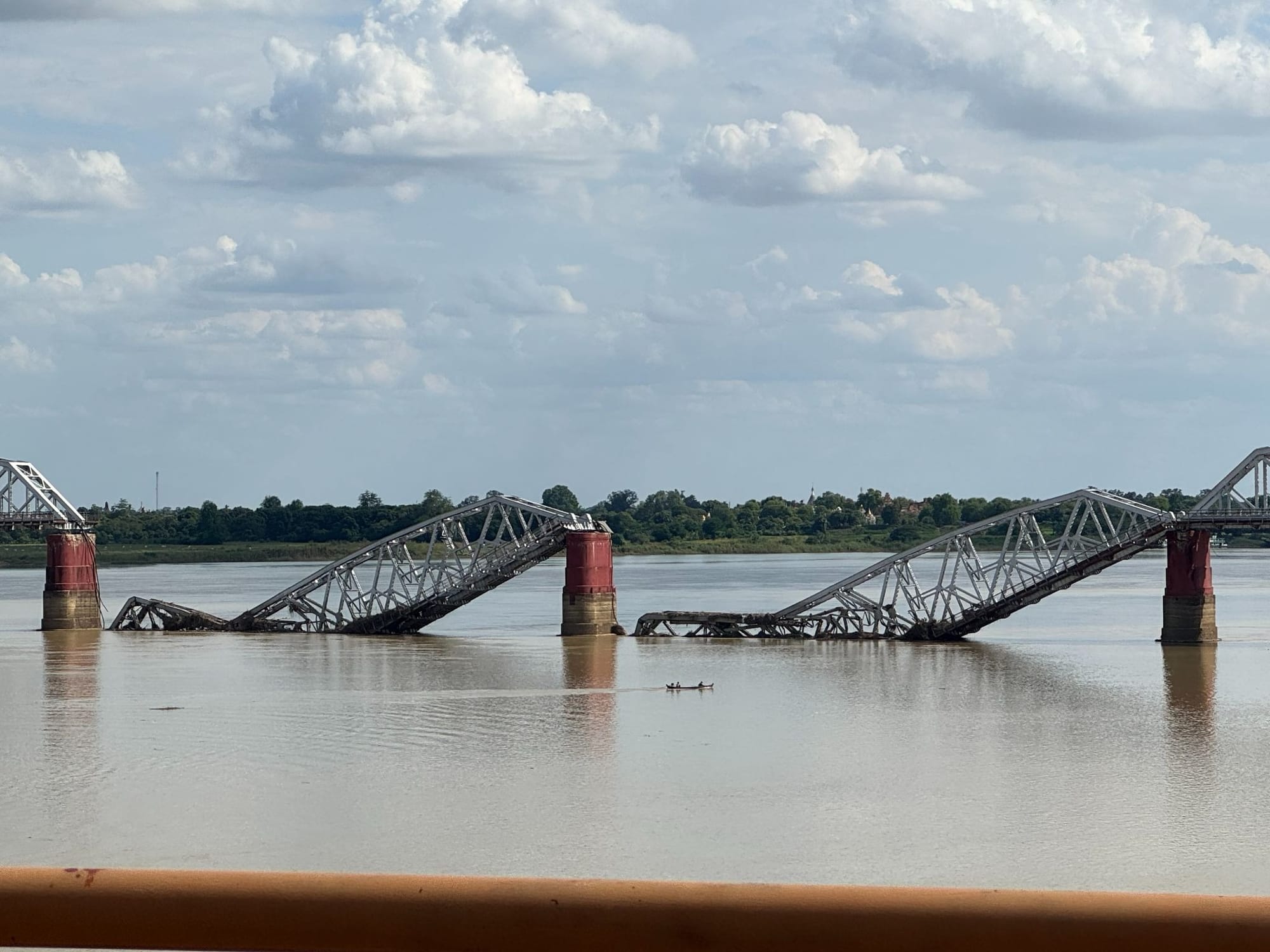
When asked about her memories of the February 1 coup, Phyo Phyo shed tears as if it had happened yesterday, saying she could not believe Min Aung Hlaing was the president. Sagaing Region, where she lives, became uninhabitable due to airstrikes on civilian areas launched by Min Aung Hlaing's junta starting in July last year. Phyo Phyo and her family left their home village and are living with relatives.
Behind Sagaing Region and other north-central areas of Myanmar becoming major targets of military airstrikes is the armed resistance that spread nationwide after the 2021 coup. The People's Defence Force (PDF), formed immediately after the coup, allied with existing ethnic armed organizations to engage in guerrilla warfare against the military across various regions, with Sagaing Region considered one of the most active strongholds of this resistance.
Sensing the limits of suppressing it with ground forces alone, the military pivoted in July last year to scorched-earth operations using helicopters and fighter jets for airstrikes, as well as burning down entire villages. Although carried out under the pretext of ferreting out resistance forces, actual airstrikes took place indiscriminately against civilian facilities, including schools, temples, and homes. This served both as retaliation against resistance forces and as a tactic to instill terror, destroying the foundation of local cooperation so residents could not provide shelter or supplies to armed resistance organizations.
"I hate the new president. Because he is the person who staged the coup."
Ko Ko (pseudonym, 55), a motorcycle taxi driver met in Mandalay, used to frequently visit Monywa in Sagaing Region, which was a center of major resistance protests after the 2021 coup, but said it has now become a place he can no longer go.
As a civil servant family member whose eldest son is a police officer, he participated in early this year's election because voting is mandatory for civil servant families. He said he votes for the same party every time but could not disclose which party it was.
"Even in tourist spots like Mandalay Hill, many of those offering to take photos are watching people on military orders, so one must always be careful with words. I'm okay since my son is a police officer," he whispered.
Su Su (pseudonym, 32), who works at a mobile phone charger manufacturing factory in Sagaing Region, did not go to the polling station at all, knowing that the election was held so that Min Aung Hlaing, the former commander-in-chief of the Myanmar military, could become president. Although notices were posted multiple times at her factory's industrial park stating that voting was mandatory, she felt there was no reason to participate in an election whose outcome was predetermined.
Therefore, Kyaw (pseudonym), living in Yangon, stated, "South Korea has been sending official development assistance and disaster relief funds to Myanmar, but in many cases, that money is extending military rule," arguing that the South Korean government should not cooperate with Min Aung Hlaing's government.
Working as a journalist for the online outlet Myanmar Labour News, Kyaw also requested that South Korean business investors strictly abide by Myanmar labor laws when investing in Myanmar.
For the first time since the 2021 coup, the Myanmar military conducted general elections divided into three phases from December 28, 2025, to January 25, 2026. On August 18, 2025, the Union Election Commission (UEC) announced a multi-stage election plan; however, two months later on October 15, then-Commander-in-Chief Min Aung Hlaing (2011–2026) stated that conducting elections in all regions across the country was impossible due to the ongoing civil war.
As a result, 65 to 67 townships out of a total of 330 administrative units in Myanmar were excluded from the election. The military junta announced that over 50 percent of the 24.22 million registered voters cast their ballots. Considering regions where voting did not take place at all, some analyses estimate the actual participation rate was around 41 to 44 percent.
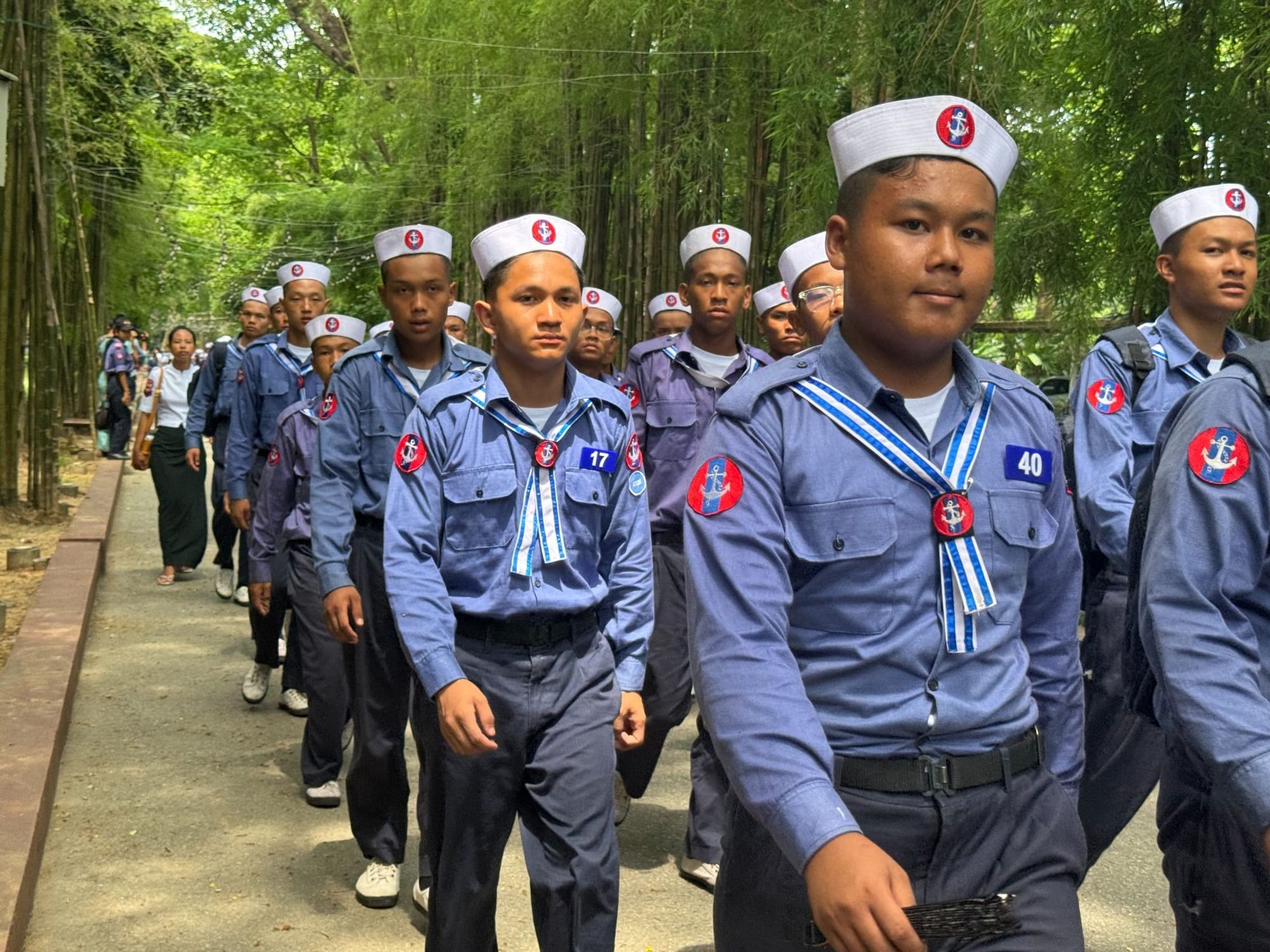
However, this election could hardly be viewed as a democratic election that guaranteed citizens' political rights in form or substance. The election took place after the National League for Democracy (NLD), the most popular political party among the Myanmar public, which won a landslide victory in the 2020 general election, was forcibly dissolved in 2023 after refusing to re-register under the military regime. The Union Solidarity and Development Party (USDP), the political organization of the military, won the majority of seats in both the Upper and Lower Houses. The Lower House, dominated by the USDP, nominated Min Aung Hlaing as its presidential candidate on April 3, and having retired from the military on March 29 after 52 years, he assumed the presidency on April 10 as if he had been waiting.
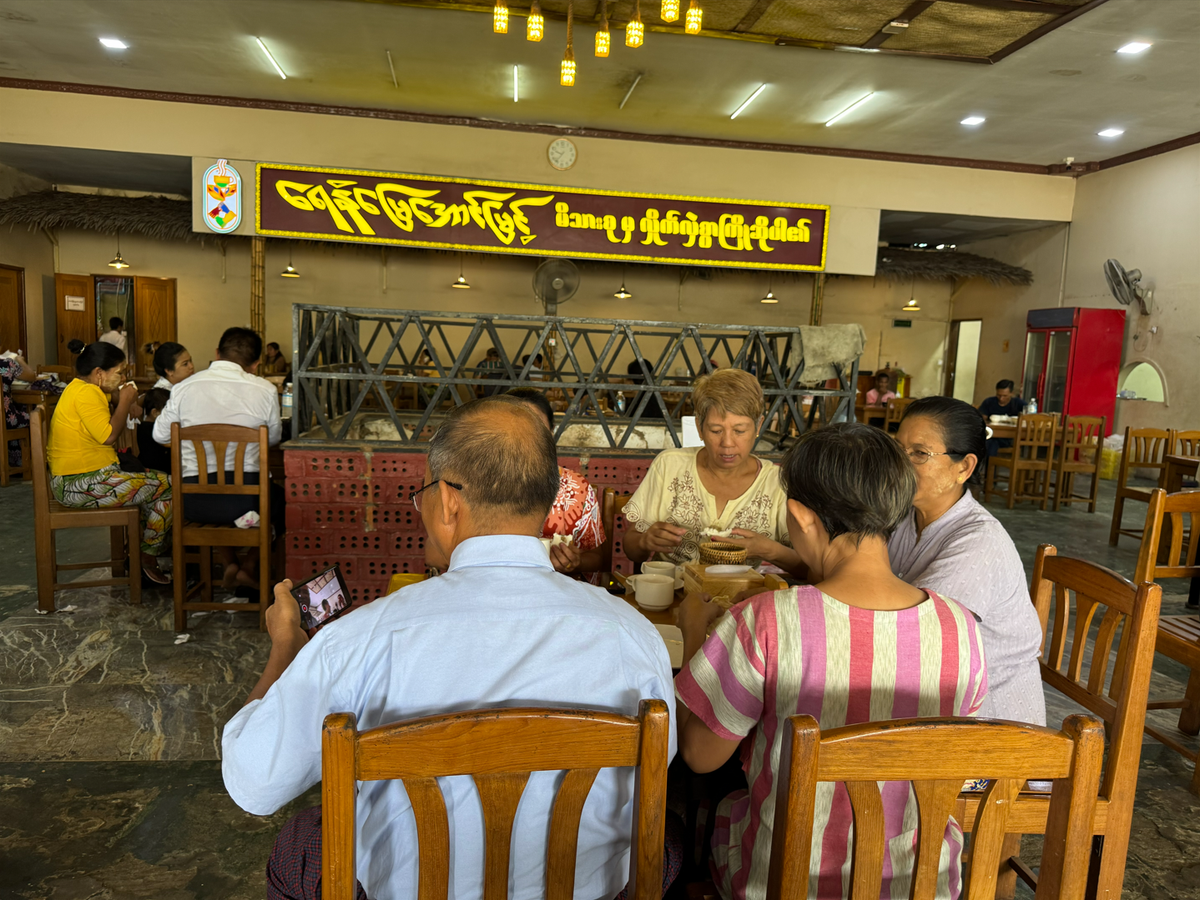
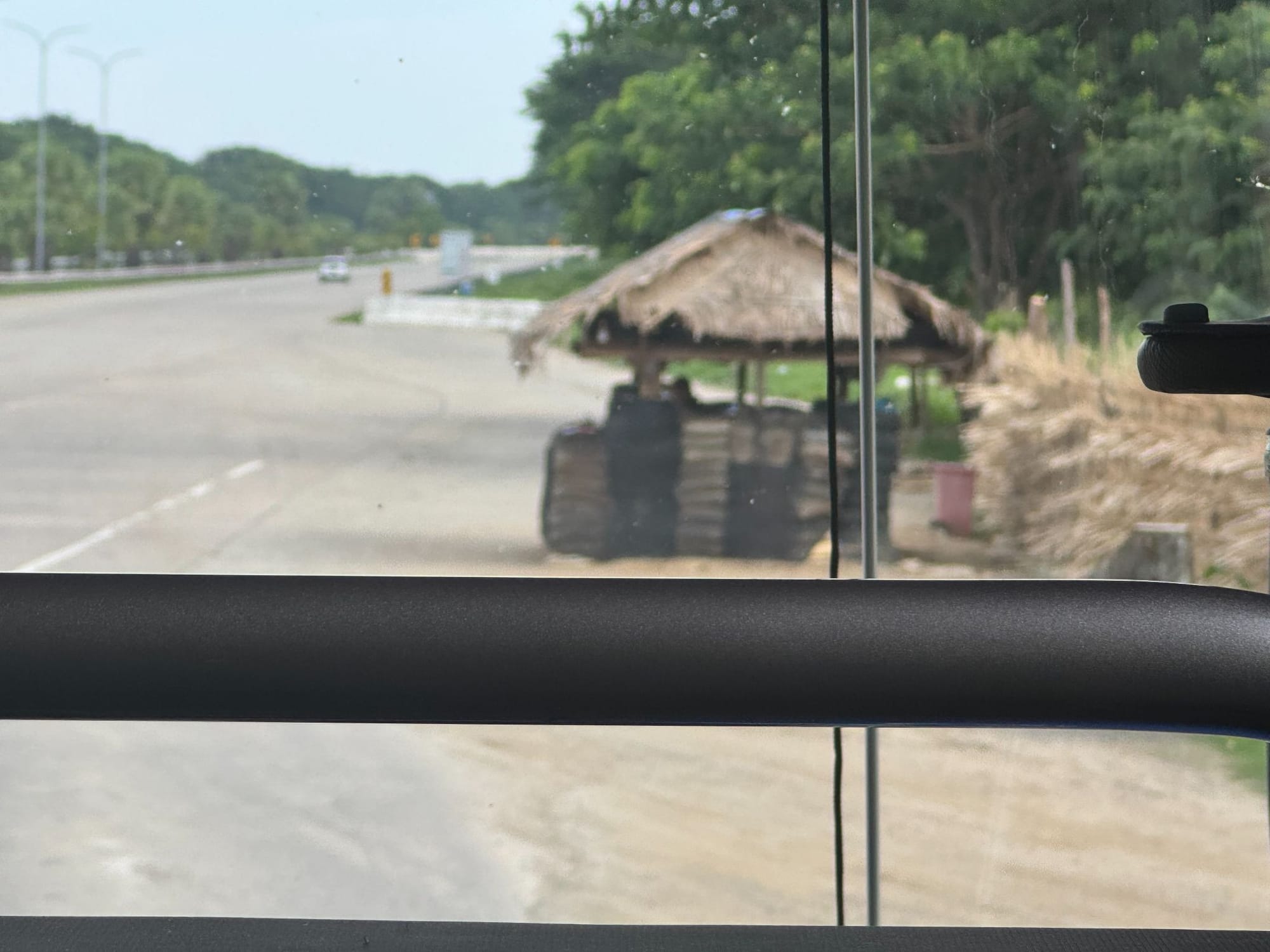
Two weeks of reporting in Myanmar, where Min Aung Hlaing and others who stripped off their military uniforms took control of politics and government, was a continuous sequence of infiltration and secret meetups. This was because armed soldiers carrying loaded rifles were on guard duty and conducting inspections on streets, at major landmarks, and along highways, while dozens of CCTV cameras were installed in streets, restaurants, and cafes.
Entering through Yangon to cover the political situation and conflict following Min Aung Hlaing's rise to the presidency was far from easy. There were restrictions on travel for both foreigners and locals moving from one state to another, and civil society activists, politicians, and scholars had mostly relocated to places such as Chiang Mai in northern Thailand, the US, the UK, Australia, and Canada.
The interviewees Dunia managed to meet requested changing interview locations every hour. Even after completing interviews, they censored all identifying information, including names, ages, and statement contents. This is also why the field reporting conducted in May could only begin publication in September.
Starting today, the two-week coverage of Myanmar through Yangon and Mandalay will be serialized over three weeks in the following order. To protect the sources, pseudonyms were used for names, but ages and statement contents were left unedited with their consent.
▶The Cost of Protesting the Coup: In Hiding Since 2021
▶Sagaing: Life in a Battleground Between Military and Resistance
▶Interview with Myanmar Labour News
Reporting Dunia contact@thedunia.org