Troubling Rhetoric Justifying Strikes on Afghanistan and Iran
On February 26 and 28, during the holy Islamic month of Ramadan, two separate wars erupted within just 48 hours. Pakistan’s strikes on Afghanistan and the joint U.S.-Israeli strikes on Iran were triggered by distinct geopolitical backgrounds; however, the justifications cited by the attacking nations are strikingly identical.
Pakistan, the United States, and Israel categorized their targets as "hotbeds of terrorism," "existential threats," and "terrorist safe havens," claiming their military actions were a "legitimate exercise of the right to self-defense." Yet, serious questions are being raised as to whether such unilateral rhetoric constitutes a valid legal basis under international law to violate the sovereignty of another nation and provoke war.
"Existential Threats and State Sponsors of Terrorism" — The U.S.-Israeli Strike on Iran
The United States and Israel framed their airstrikes against Iran as indispensable measures to protect their citizens.
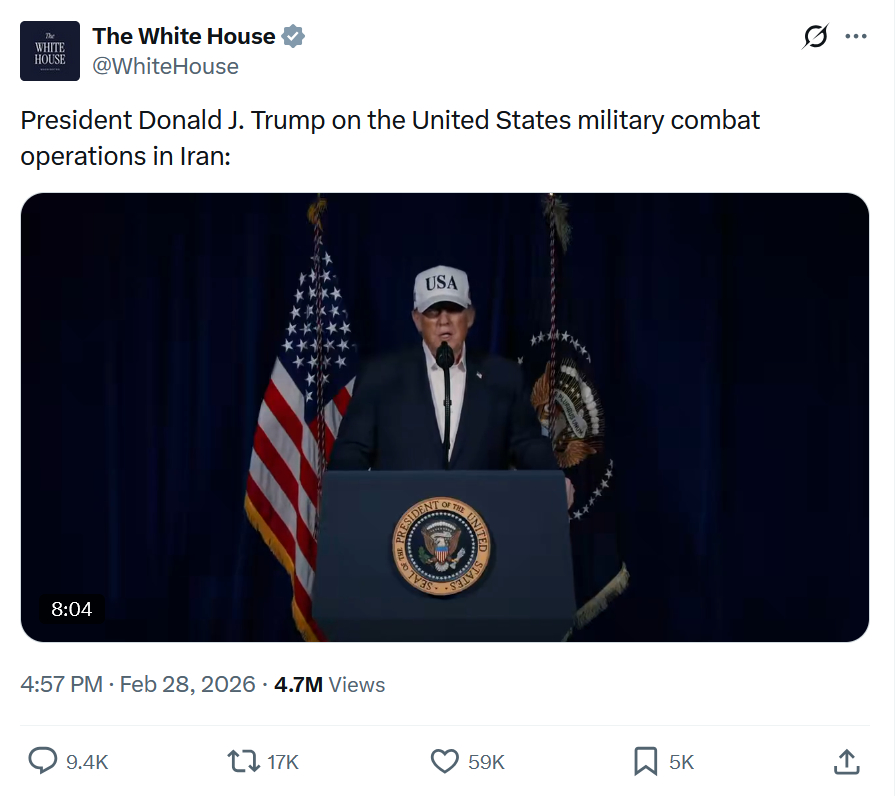
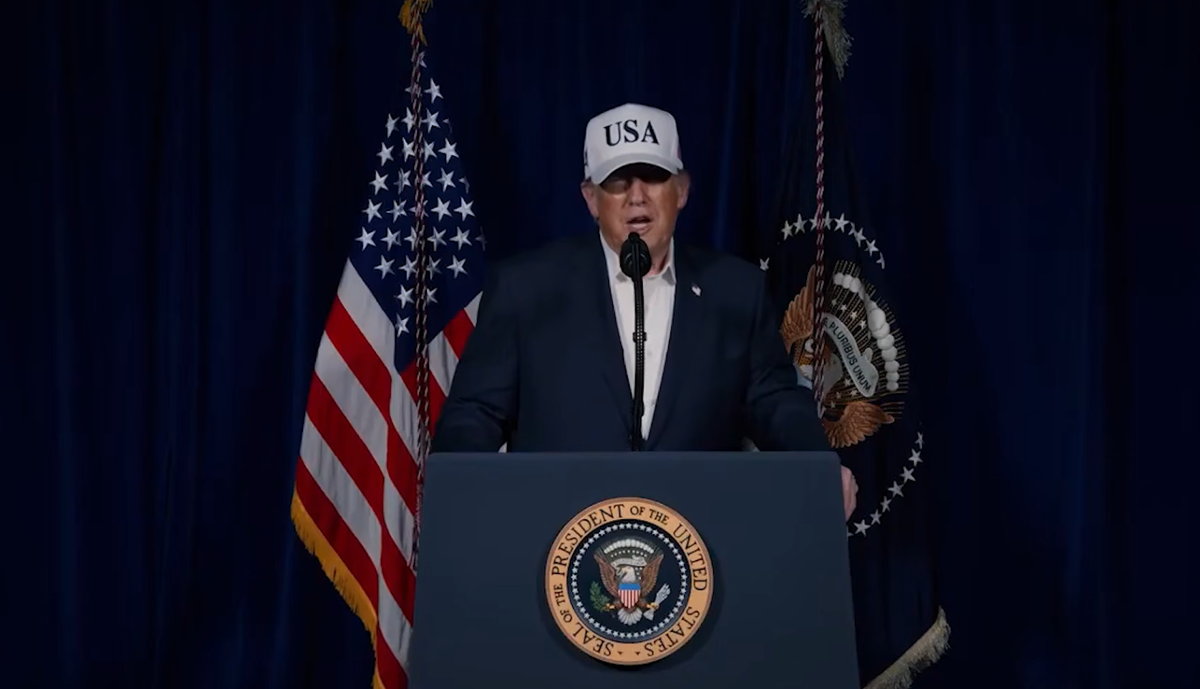
In his address on February 28, President Donald Trump designated Iran as the "world's number one state sponsor of terrorism" and an "evil group," asserting that the operation aimed to defend the U.S. from imminent Iranian threats.
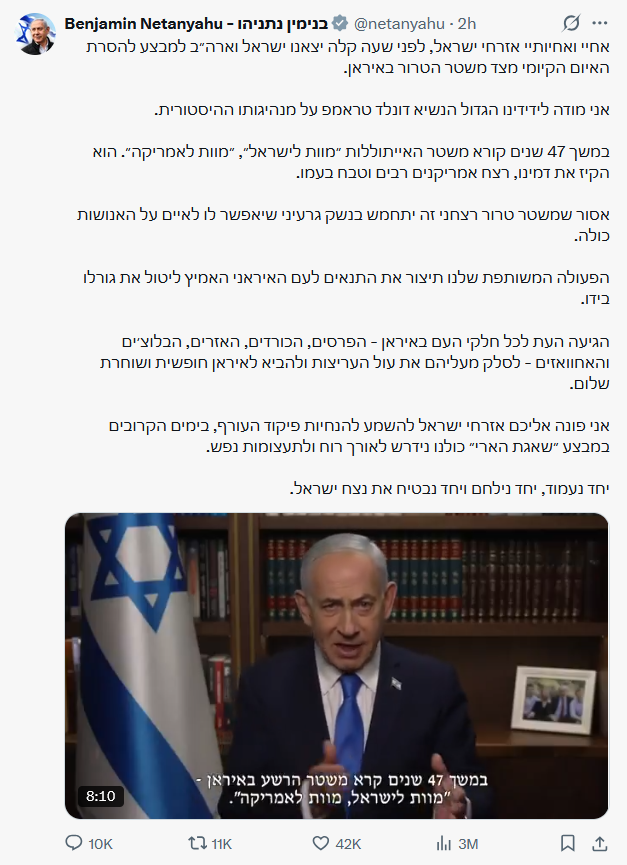
Similarly, Israeli Prime Minister Benjamin Netanyahu labeled Iran a "murderous terror regime," declaring the operation was intended to "eliminate the existential threat posed by the terror regime." Based on this rhetoric, the two leaders justified the large-scale destruction of Iran’s missile industry, navy, and nuclear facilities.
"Self-Defense Against Terrorist Havens" — Pakistan’s Strike on Afghanistan
The logic employed by Pakistan in its February 26 airstrikes on Afghanistan follows an identical trajectory. The Pakistani government and parliament accused Afghanistan of becoming a "proxy for India"—a nation Pakistan regards as an adversary—and a "haven for terrorists worldwide."
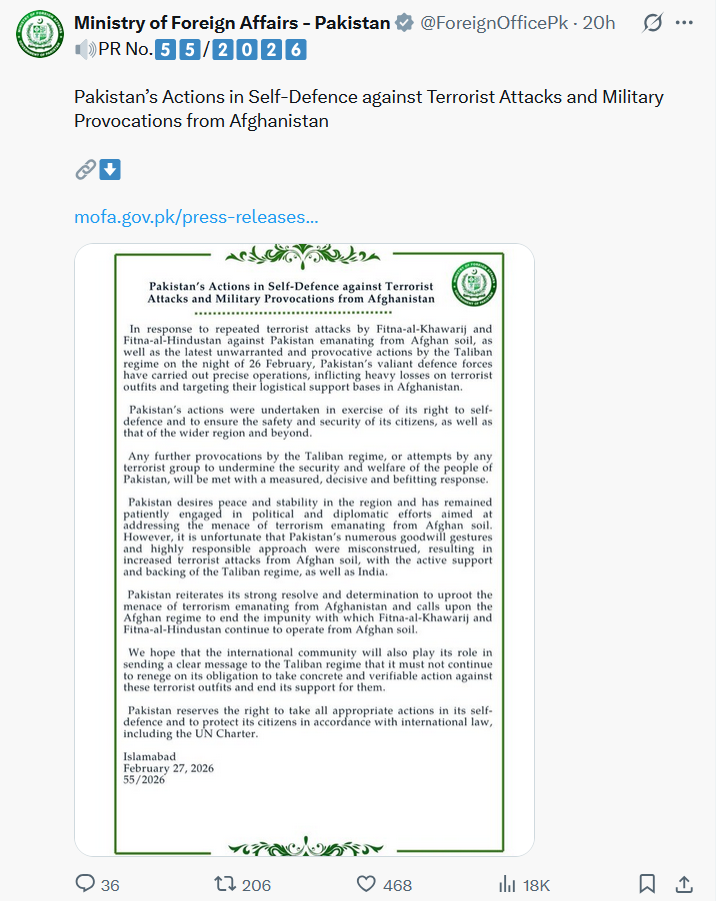
The Pakistani Foreign Ministry officially announced that the action was a "precision strike" conducted as an exercise of the "right to self-defense" to protect its citizens from terrorist groups operating within Afghan territory. The U.S. State Department publicly supported Pakistan’s stance, stating that the "Taliban is failing to uphold counter-terrorism commitments and allowing Afghanistan to remain a base for horrific attacks."
Déjà Vu: The Startling Parallel with George W. Bush’s 2003 Iraq War Speech
Notably, the justifications and rhetoric used by the current leaders of the U.S., Israel, and Pakistan closely mirror the televised address given by former U.S. President George W. Bush just before the 2003 invasion of Iraq.
- Redefining Preemptive Strikes as Self-Defense: In his 2003 speech, Bush argued that waiting to respond until after an enemy attacks is not self-defense but "suicide," defining preemptive strikes as a legitimate security measure. This aligns closely with President Trump’s recent declaration that he is neutralizing "imminent threats" to defend the American people.
- Framing Regime Change as Liberation: Bush told the Iraqi people that the "tyrant will soon be gone" and the "day of your liberation is near." In the current conflict, Trump and Netanyahu have similarly incited the Iranian public to "throw off the yoke of tyranny" and "shape their own destiny," openly encouraging regime change.
- Ultimatums to Foreign Militaries: Just as Bush warned the Iraqi military not to fight for a "dying regime," President Trump issued an ultimatum to the Iranian Revolutionary Guard Corps (IRGC) to "lay down your arms and receive clemency, or face certain death."
Just as Bush’s claim of "preemptive self-defense" lost its international legal standing when no weapons of mass destruction (WMDs) were found in Iraq, critics argue that the current actions of the U.S. and Israel — conducting airstrikes based on subjective definitions of "threat" and "terror" — are severely undermining the fundamental principles of international law.
The Core Issue: Is Rhetoric a Legal License for Preemptive Strikes?
The attacking nations commonly invoked the "right to self-defense" under international law by highlighting "existential threats" and "state-sponsored terrorism." However, whether such subjective concepts legally permit the bombing of another country’s territory remains highly contentious.
Iran and Afghanistan, the targets of these attacks, have hit back, labeling the strikes as clear violations of international law and sovereign infringements.
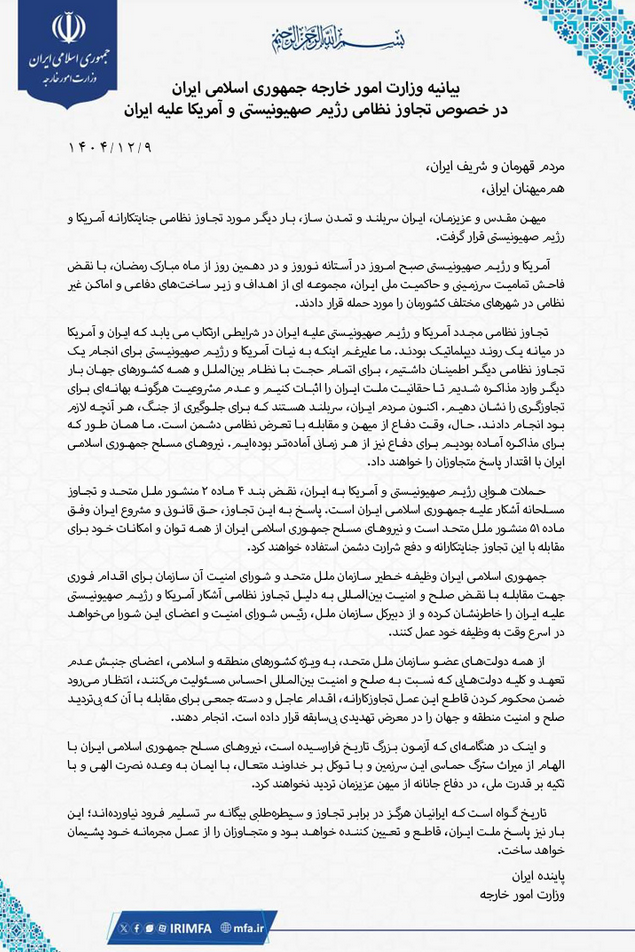
The Iranian government pointed out that the strikes violate Article 2, Paragraph 4 of the UN Charter, which prohibits the use of force against the territorial integrity or political independence of any state. The Afghan Ministry of Defense also condemned Pakistan’s bombing of residential and religious sites as a criminal act and a violation of "neighborly principles" intended to mask Pakistan's own intelligence failures.
The central irony lies in the fact that the "self-defense" logic used by the aggressors is being mirrored by the victims. Iran has declared a determined military response based on the right to self-defense under Article 51 of the UN Charter, while Afghanistan framed its retaliatory shelling of Pakistani border posts as "defensive reprisal" to protect its sovereignty. It is the exact same logical structure Pakistan used when invoking the UN Charter.
The Flames of Escalation: The Trap of Reciprocal Self-Defense
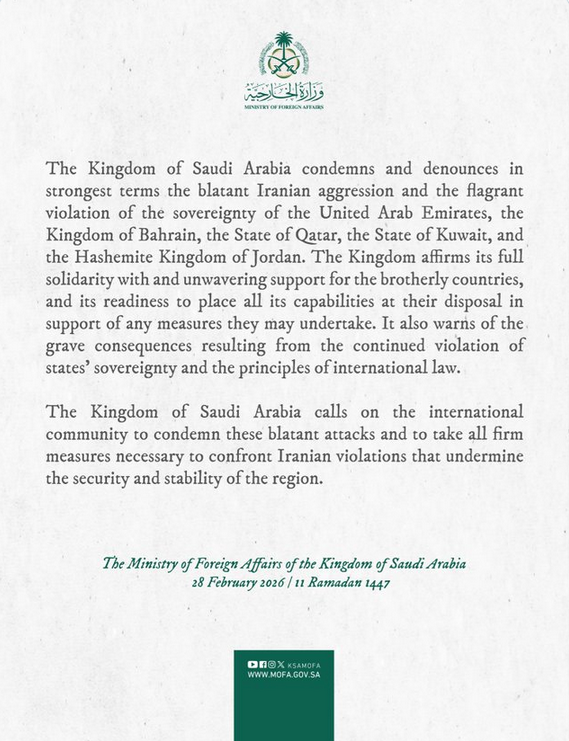
The most critical issue is that Iran, asserting its "legal right to defense," has launched retaliatory ballistic missile strikes against territories in neighboring Arab states—including Qatar, Kuwait, the UAE, Bahrain, and Jordan—where U.S. forces are stationed. A war that began under the guise of self-defense is now spiraling out of control across the region.
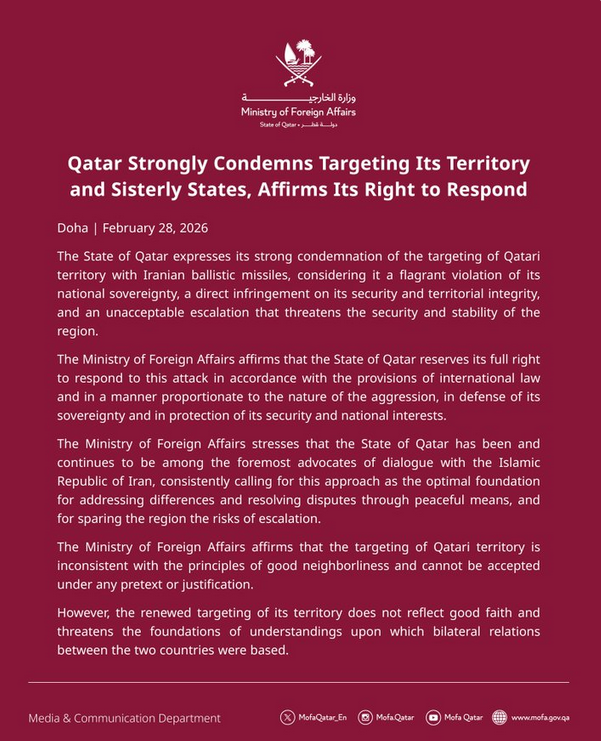
Qatar and Saudi Arabia have strongly condemned the Iranian attacks as "flagrant violations of national sovereignty," asserting their right to take defensive measures under international law.
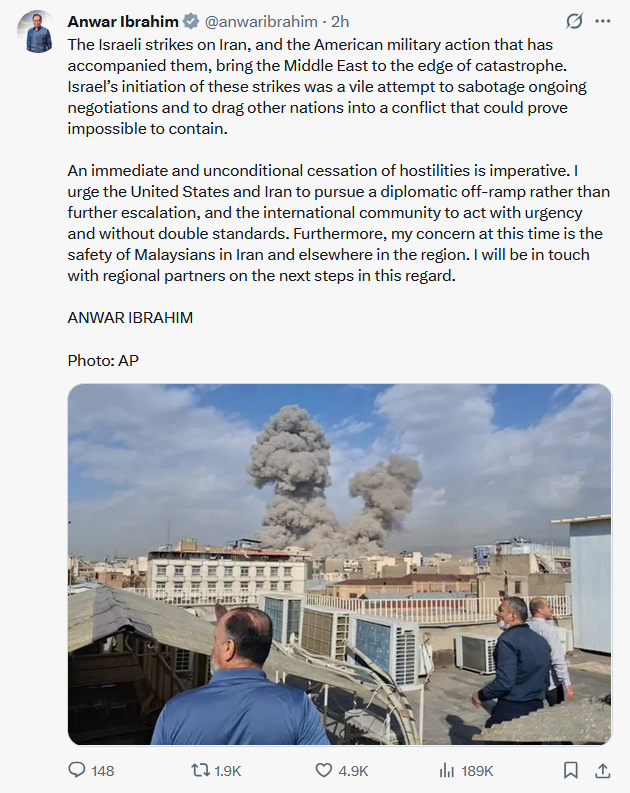
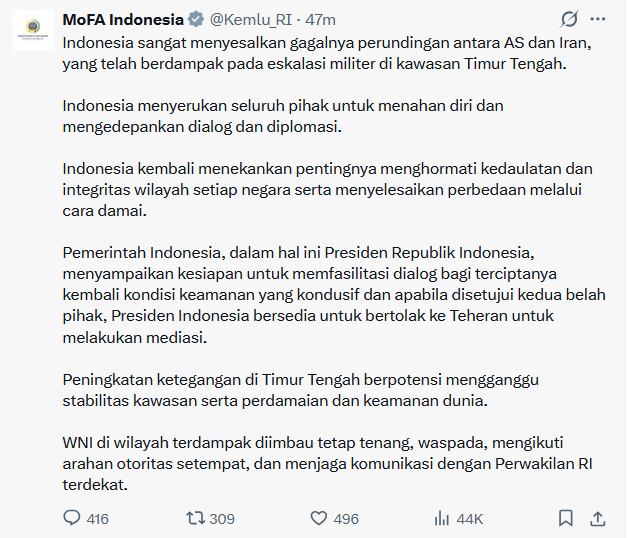
Global backlash has been swift. Malaysian Prime Minister Anwar Ibrahim criticized the U.S. and Israeli strikes as a "despicable attempt" to derail ongoing negotiations and push the Middle East toward catastrophe. Indonesia expressed deep regret over the failure of diplomacy, with President Prabowo Subianto signaling his intent to visit Iran personally to mediate.
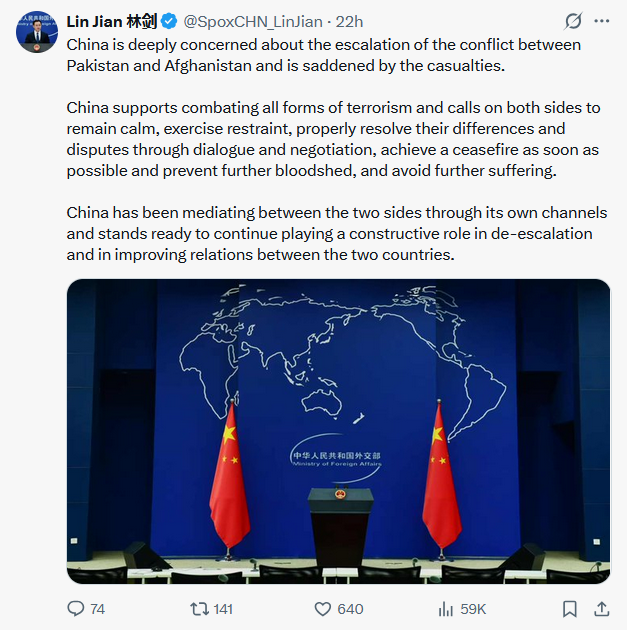
Regarding the Afghan-Pakistani border conflict, the international community remains on high alert. China expressed "deep concern" over the bloodshed, calling for a ceasefire through dialogue and offering to mediate.
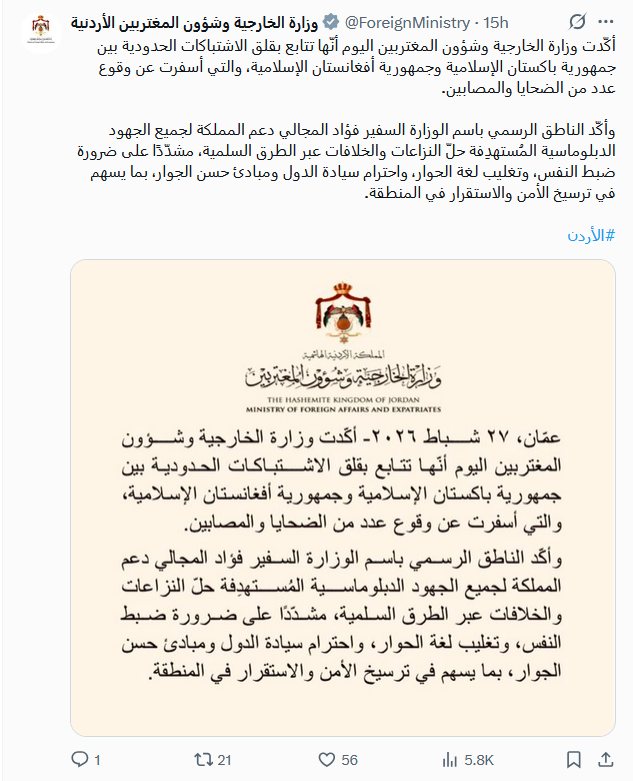
Jordan also emphasized the need for "respect for sovereignty" and a peaceful resolution.
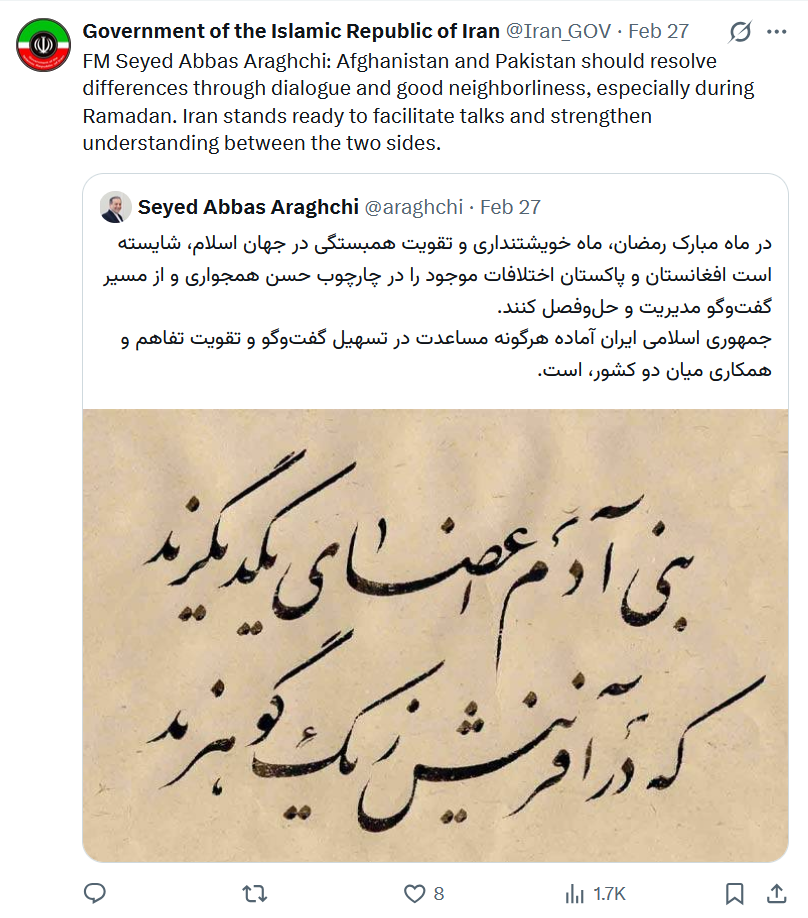
Even Iran, despite being a target itself, offered through its Foreign Minister to facilitate dialogue between Pakistan and Afghanistan—an ironic turn of events.
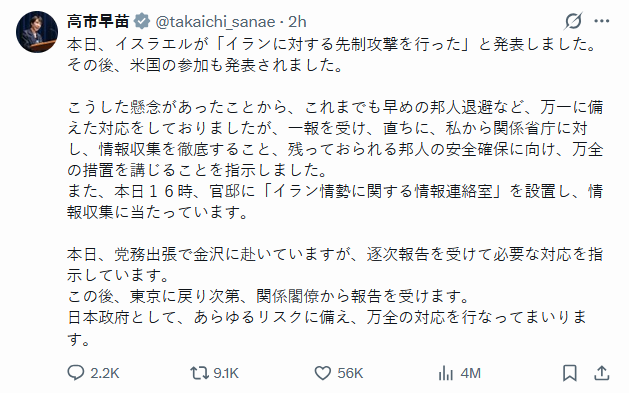
Meanwhile, a flurry of evacuation orders has been issued for foreign nationals in the conflict zones. Governments including Japan, Thailand, and Nepal have activated emergency networks, instructing their citizens to flee Iran and Israel immediately via commercial flights or move to secure shelters.
Conclusion: The Cycle of Preemptive Strikes in the Blind Spot of International Law
Labels like "hotbed of terrorism" and "existential threat" have served as effective political rhetoric to mobilize domestic support and justify preemptive strikes from the era of George W. Bush to the present. However, if any nation is allowed to unilaterally define another as a "threat" and initiate military force, the bedrock principles of international law—territorial integrity and respect for sovereignty—become obsolete.
Logic cloaked in "security" and "self-defense" risks triggering indiscriminate retaliation, leading to a domino effect of sovereign violations. Ultimately, this cycle plunges the international community into an uncontrollable vortex of armed conflict.
Reporting Seulki Lee - skidolma@thedunia.org
Copy Editing Chihwan Ahn - chihwan@thedunia.org