Sumatra's Man-Made Catastrophe: Flash Floods Kill 914 Amid Deforestation and Palm Oil Boom
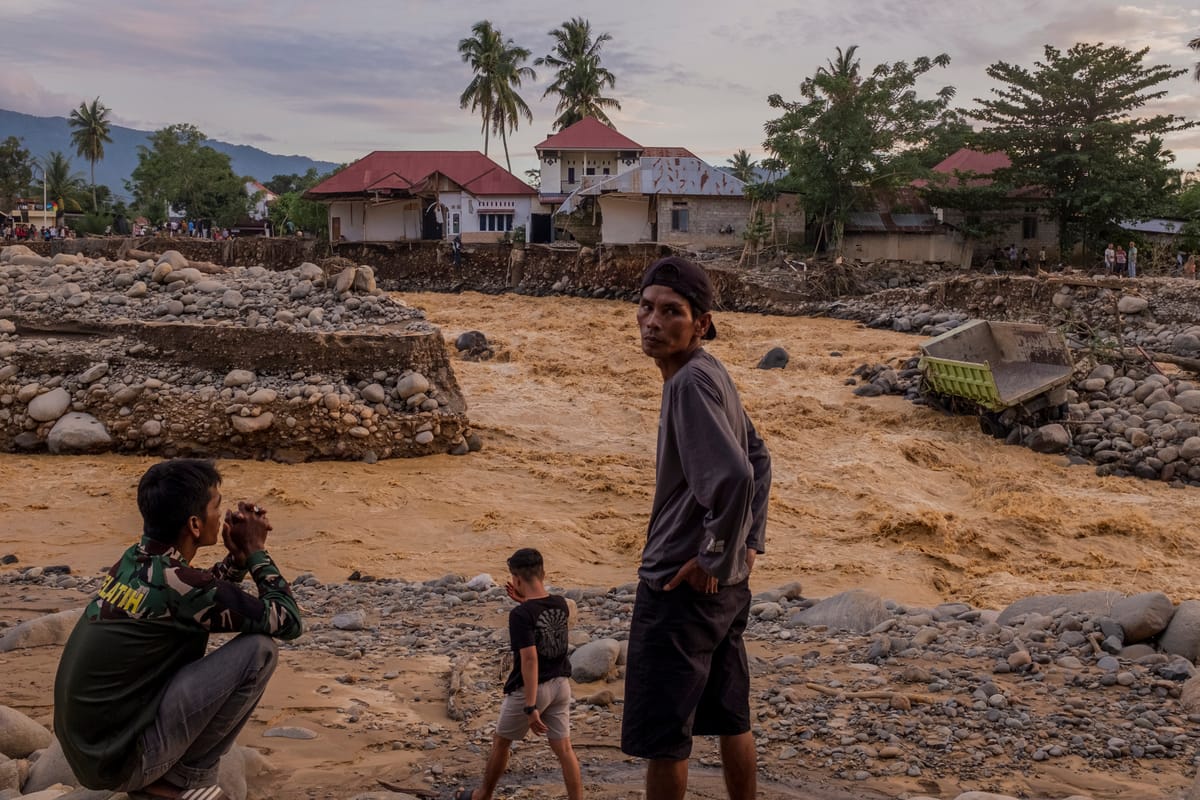
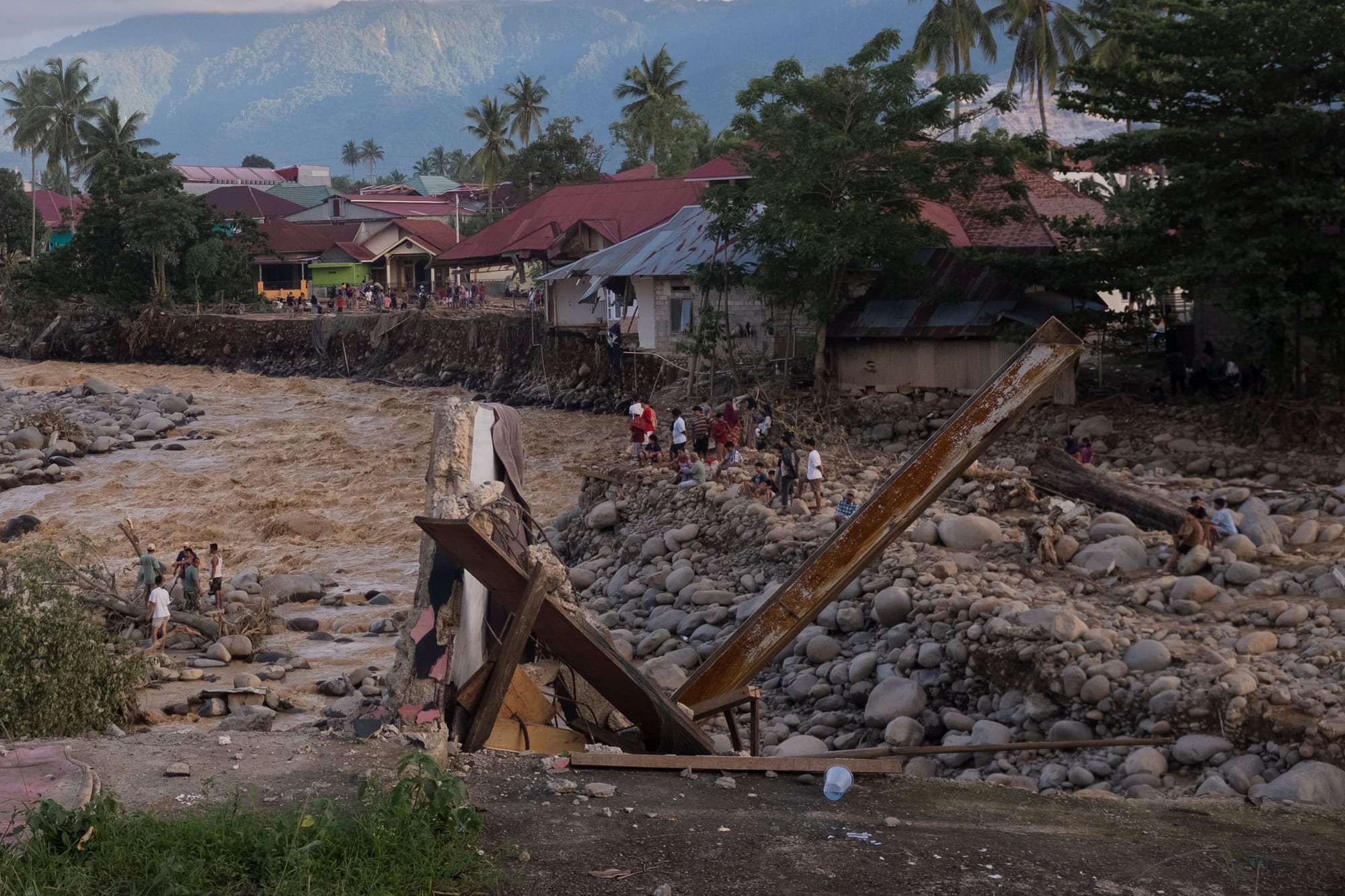
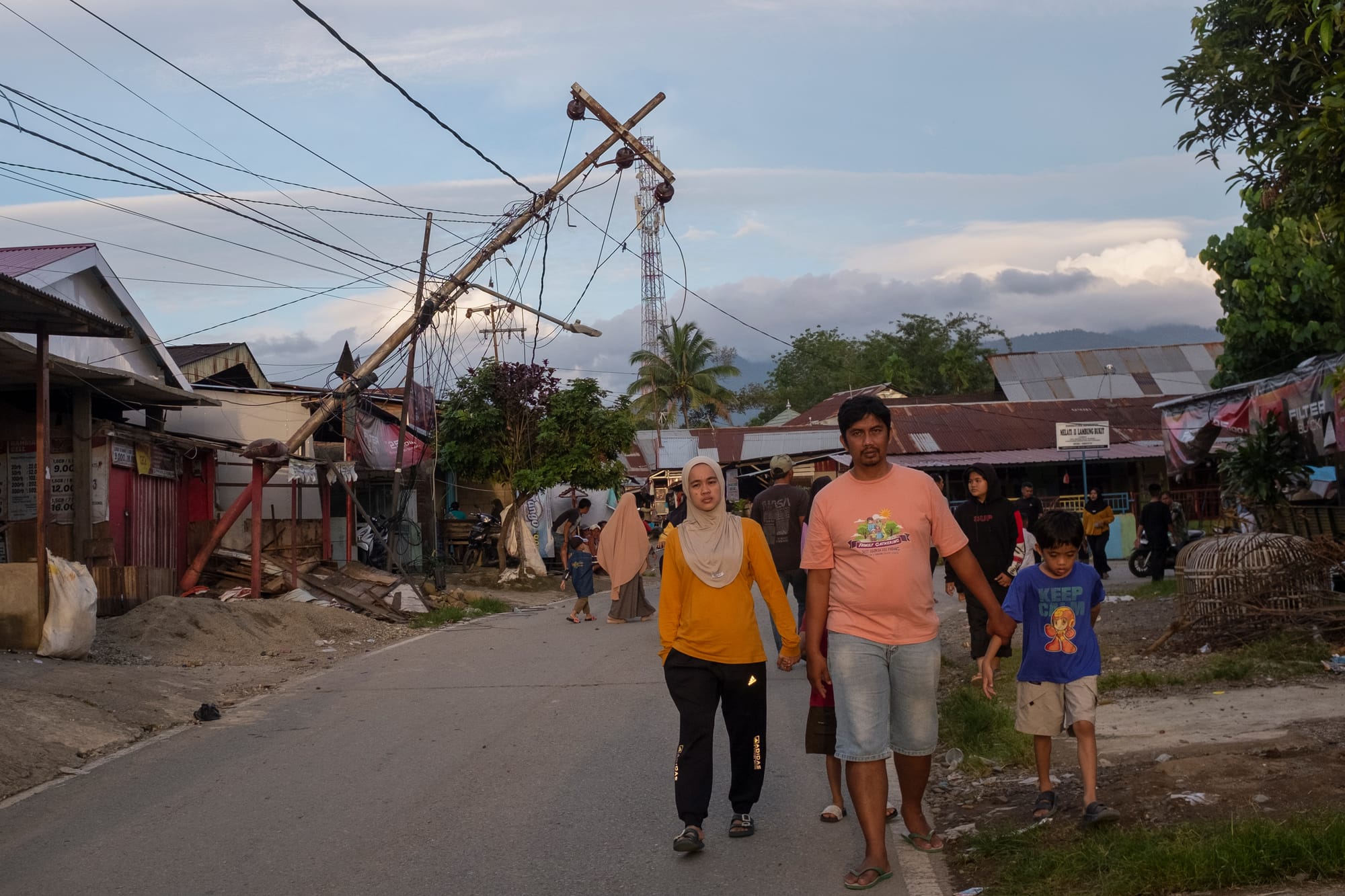
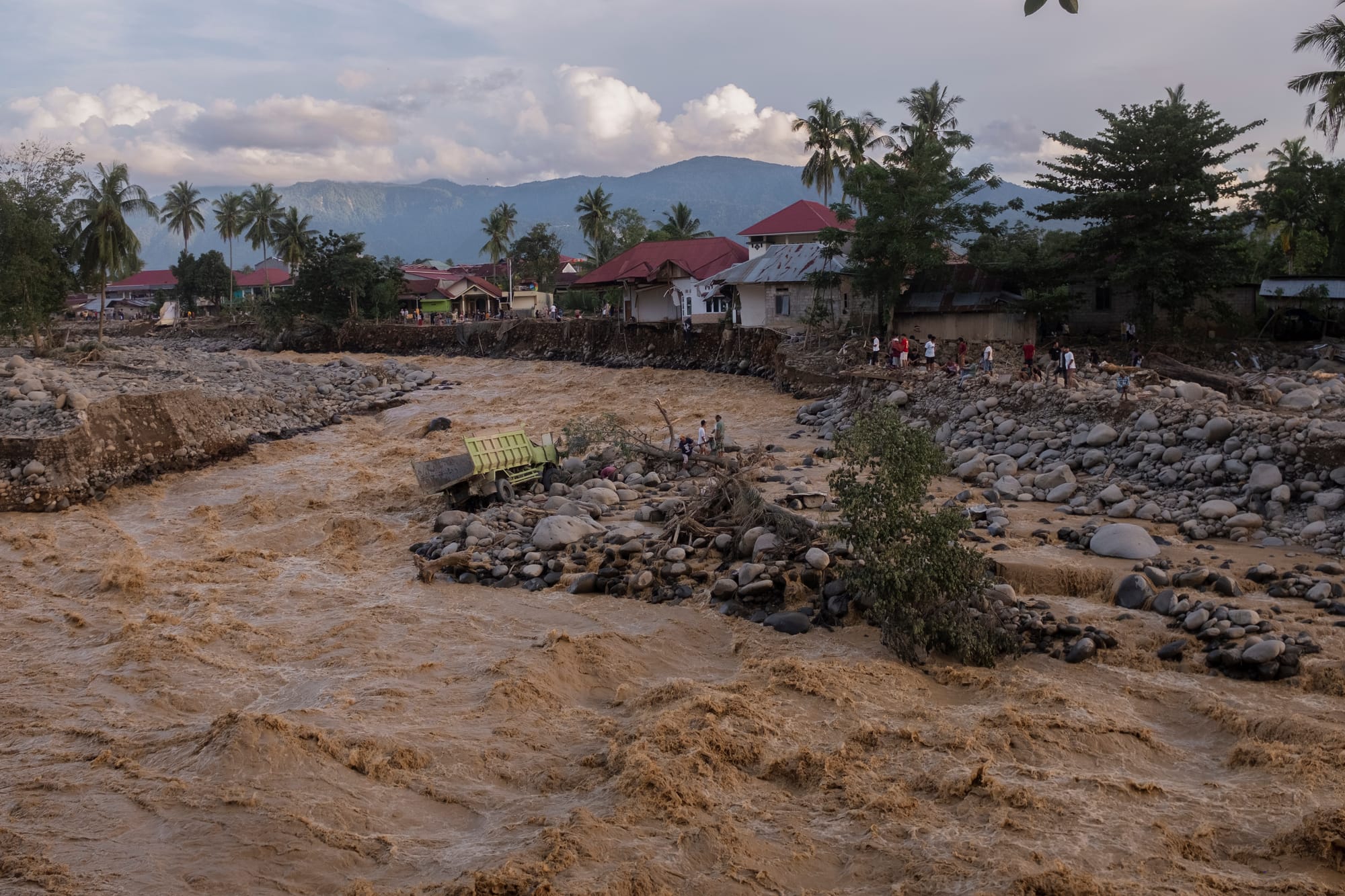
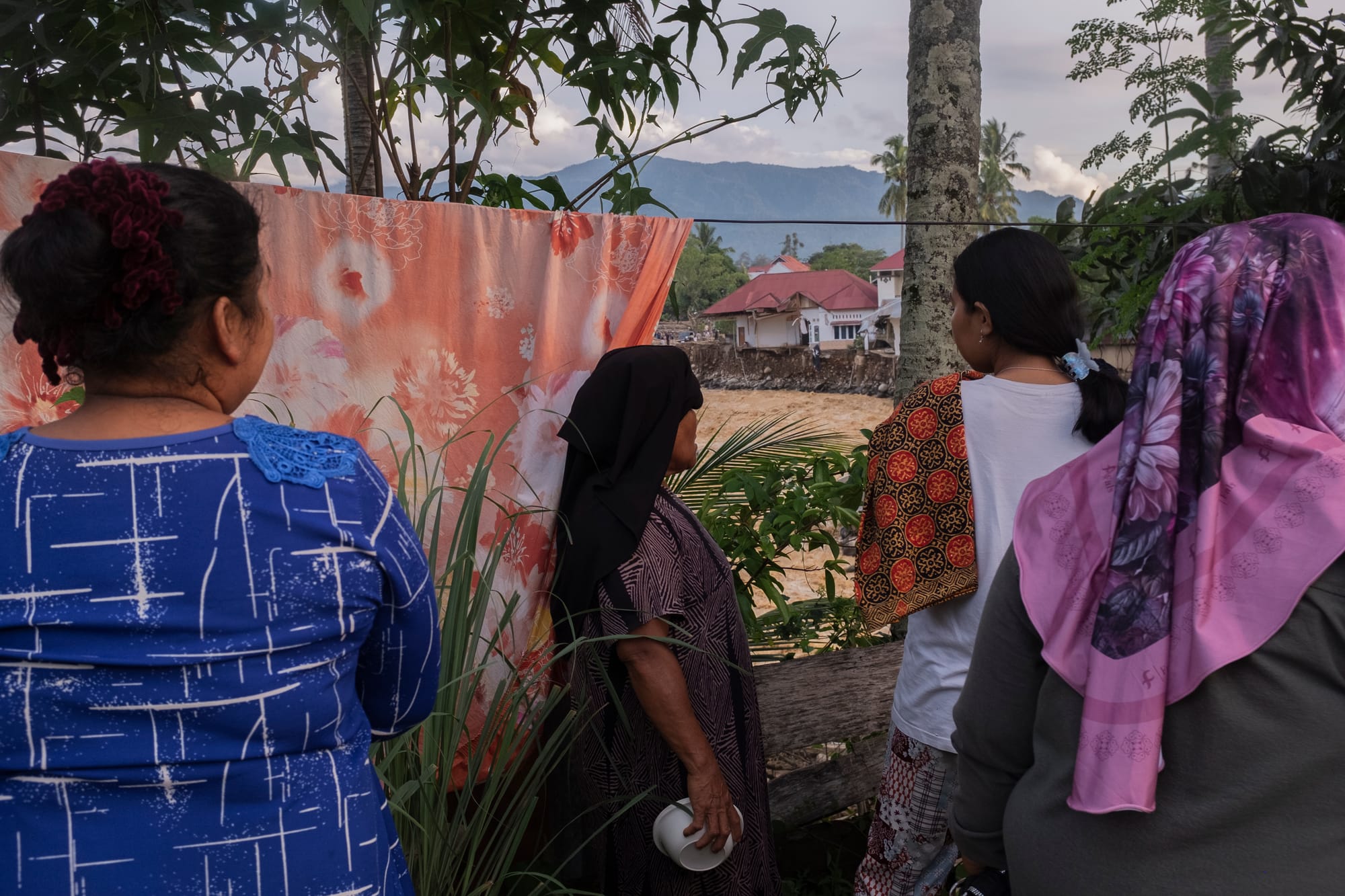
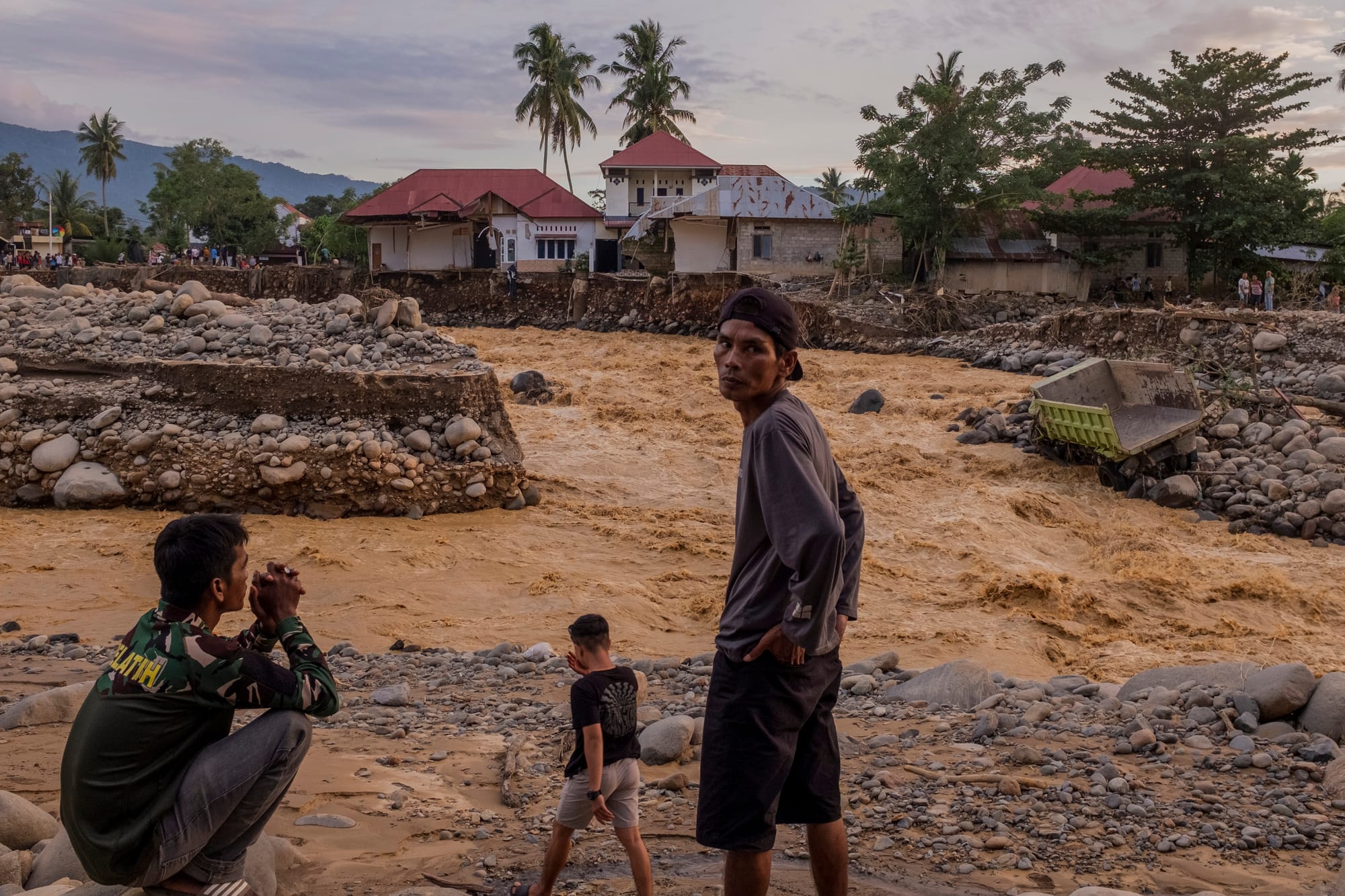
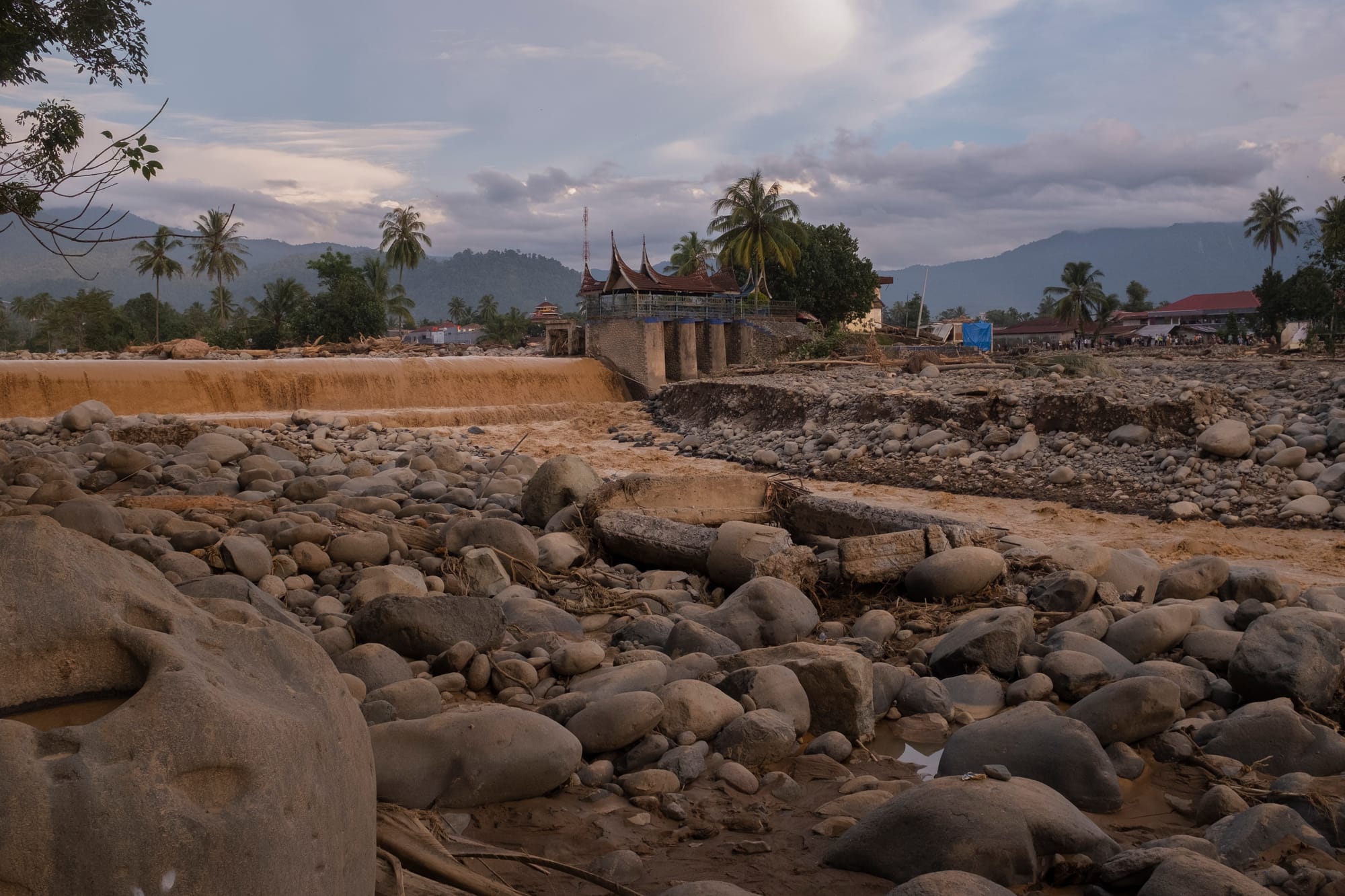

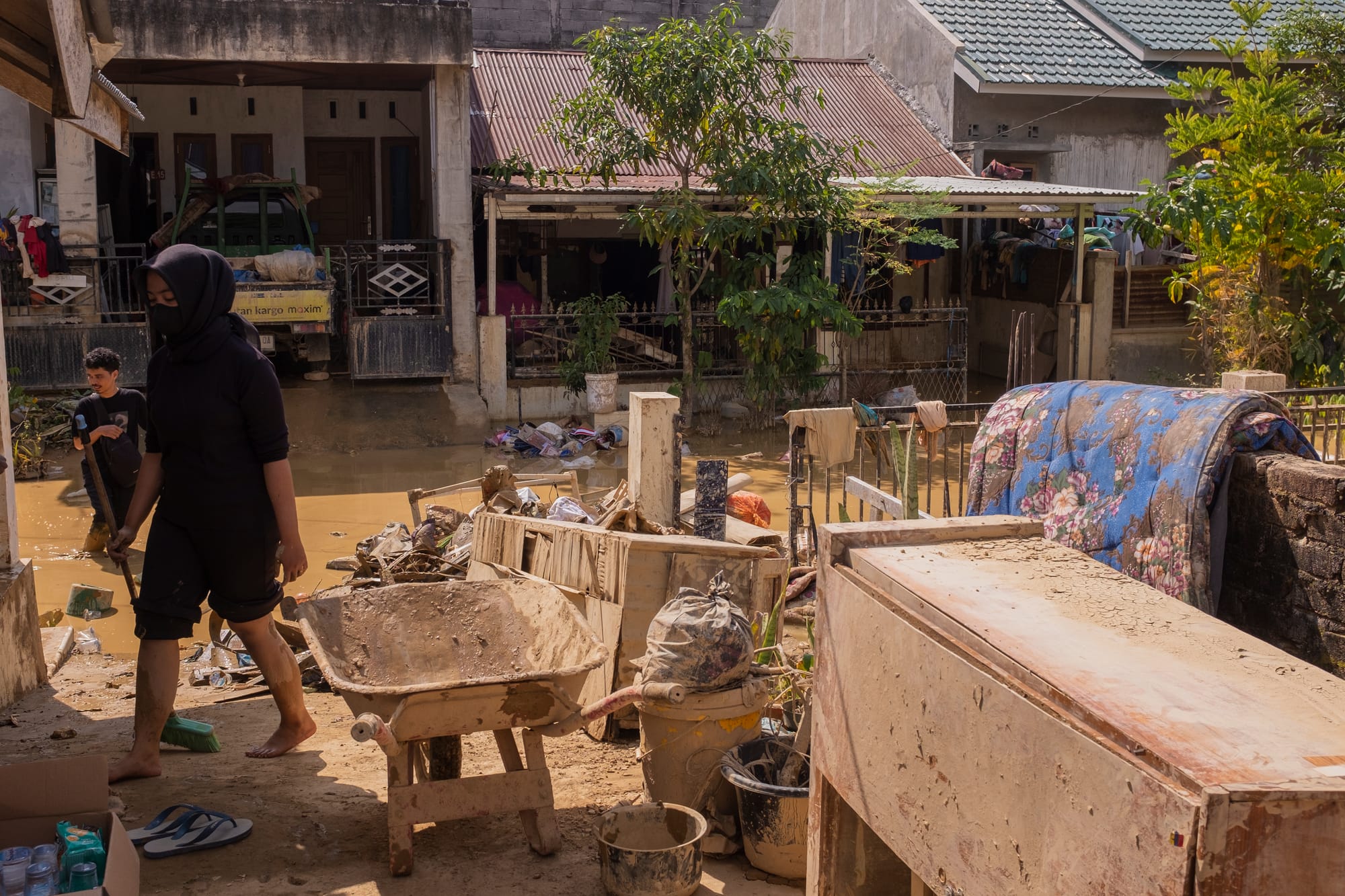

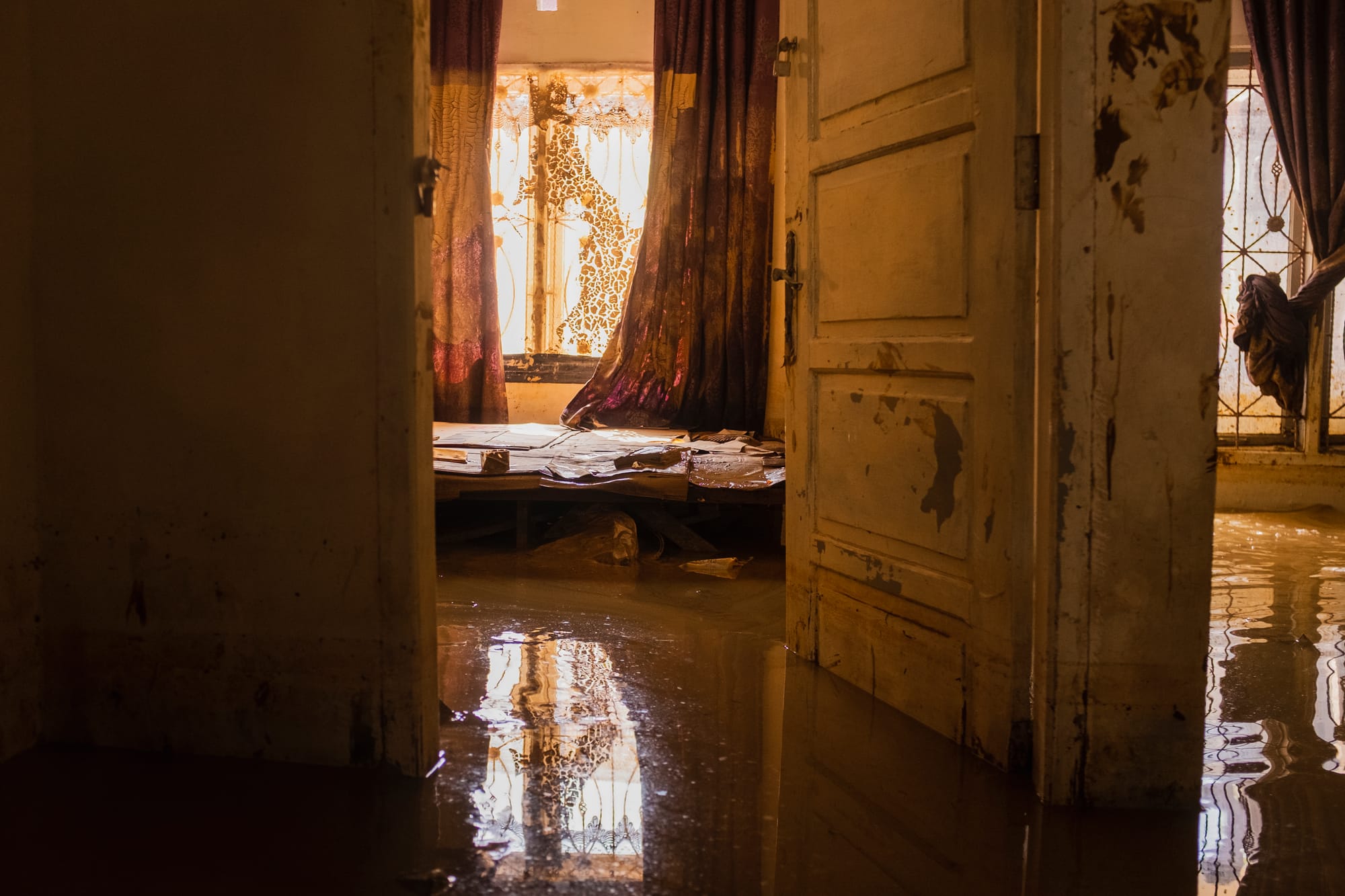
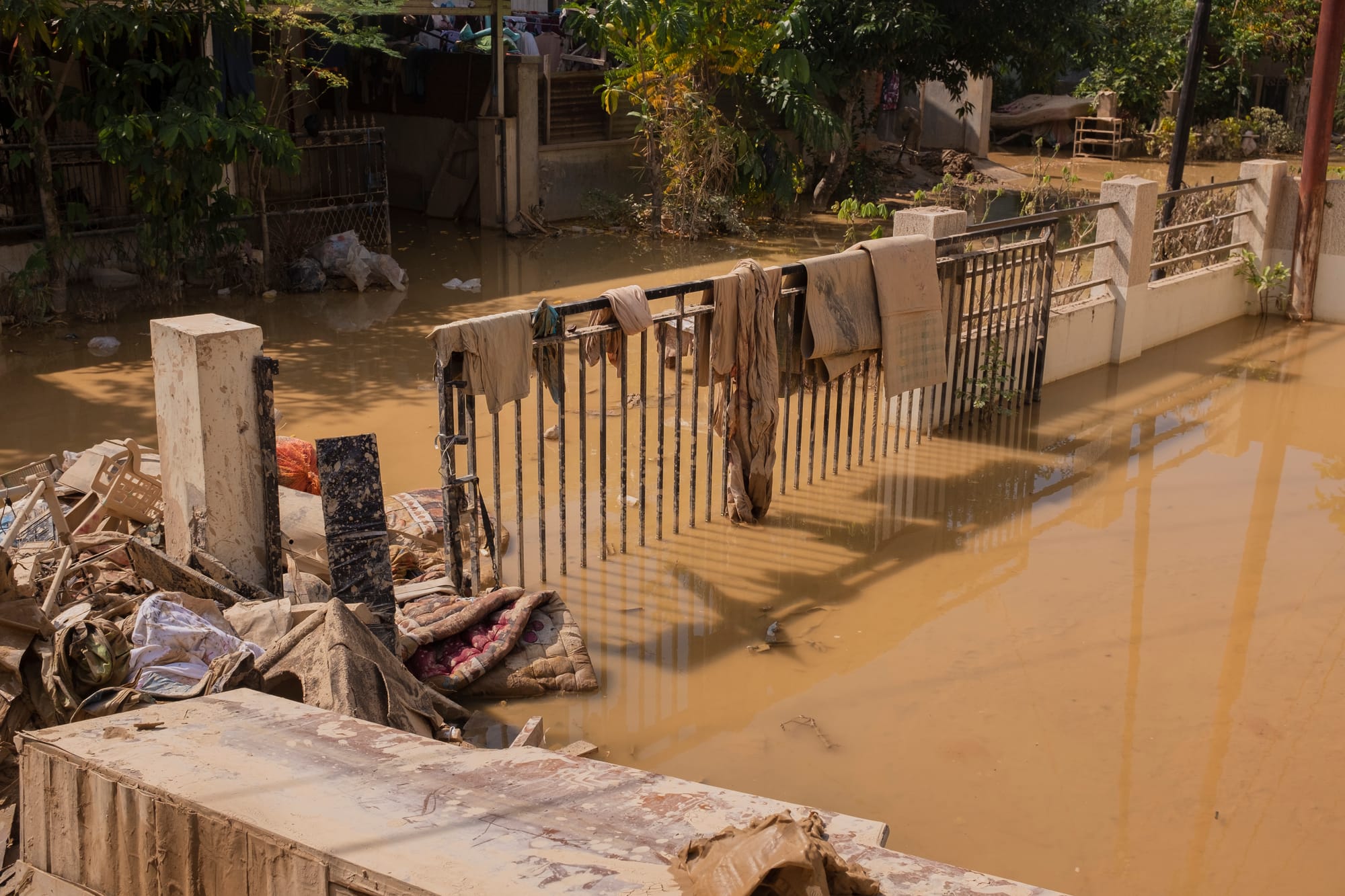
Three days of heavy rain caused flash floods to strike three provinces on Indonesia's Sumatra Island on November 27, 2025. Muddy water and landslides swept across West Sumatra, North Sumatra, and Aceh (Nanggroe Aceh Darussalam), destroying numerous buildings, with the death toll continuing to rise daily.
As of Saturday, December 6, 2025, the Indonesian National Disaster Management Agency (BNPB) reported that the number of fatalities had reached 914, with 389 others still reported missing.
This sudden, year-end flood in Sumatra is not a phenomenon that occurred out of the blue. Many flood victims and critics assert that the primary cause of this disaster is the result of massive deforestation, coal and gold mining activities, and the clearing of land for large-scale palm oil plantations and industrial crops. According to Kemen G. Austin, a researcher at Duke University in the late 2000s, large-scale plantations were responsible for more than half of the loss of primary natural forests in Indonesia. While logging was the reason for deforestation on Papua Island, in Sumatra and Kalimantan, the palm oil industry and forest fires were the causes.
The average loss of forest cover between 2017 and 2021 amounted to 2.54 million hectares per year, equivalent to six football fields disappearing every minute, showing that the state of forest conservation in Indonesia is dire. In particular, the three days of non-stop rain swept away logged timber, destroying various transportation facilities.
Indonesia is one of the world's largest archipelagic nations, possessing over 17,000 islands, with approximately 98% being small islands. Extractive natural resource activities continue to occur on Indonesia’s small islands. Out of the total area of Indonesia's small islands, approximately 874,000 hectares—or 13% of the total land area of these small islands—are burdened by permits for extractive resource activities: logging (approx. 310,000 ha), mining (approx. 245,000 ha), industrial timber plantations (approx. 94,000 ha), large-scale plantations (approx. 194,000 ha), and overlapping land and forest use permits (approx. 30,000 ha), placing a significant strain on the land and forest areas.
Extractive industrial activities on small islands have been proven to negatively impact the local environment and community. Forest Watch Indonesia (FWI) recorded that between 2017 and 2021, the average deforestation rate on small islands reached 79,000 hectares per year, which is 3% of the national deforestation rate.
The Indonesian Forum for the Environment (WALHI) also confirmed significant deforestation in Aceh, North Sumatra, and West Sumatra between 2016 and 2024, with a total loss of forest cover reaching approximately 1.4 million hectares.
The 2025 Sumatra flood is not merely due to weather factors or extreme rainfall, as the government claims. Civil society data indicates that the forest ecosystems in the three disaster-affected provinces have been damaged due to various industrial permits.
Nonetheless, public officials continue to deny the facts, claiming that the chaos of the past few days is purely a natural disaster, not a result of massive deforestation.
Although the status of National Disaster has not been declared, aid from gathered donations continues to arrive. As of the time this report and field photos are being sent, there are still areas that are difficult to access and remain isolated, with communication and transportation links severed. Fuel shortages have also exacerbated the situation, resulting in some regions not receiving food aid for several days following the disaster.
Reporting: Fatris MF, a freelance journalist (member of Aliansi Jurnalis Independen-AJI), researcher and travel writer specialized in environmental reporting and indigenous people. He has written seven books, exploring the impact of colonialism, cultural consequences, and ancient spirituality in Indonesia. fatrismf@gmail.com
Translation: Seulki Lee skidolma@thedunia.org