Frozen Time at the Thai-Cambodian Border: 79,000 Lives in Limbo
- May 2025 skirmish in the ‘Emerald Triangle’ ignites conflict.. Tensions persist despite December truce.
- F-16s and rockets devastate border life.
- Homes built with Thai wages destroyed by Thai shells.. "We are the victims of a power struggle."
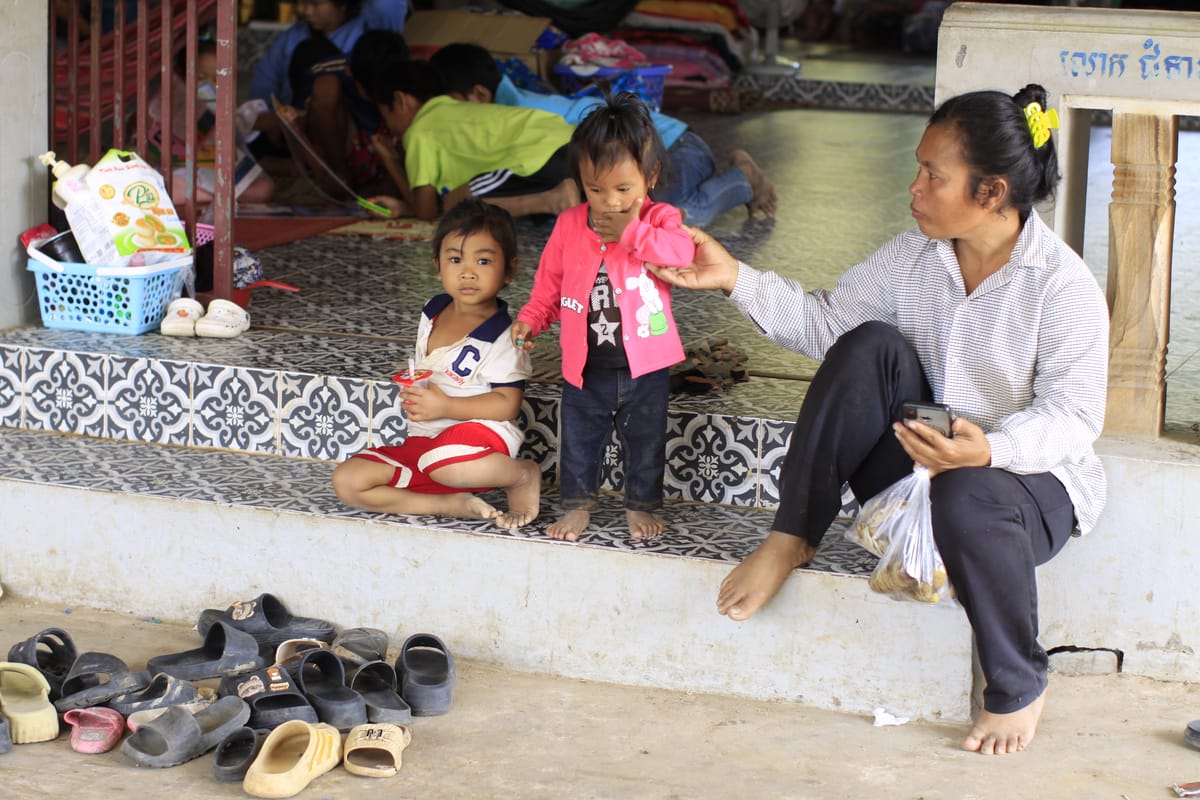
The artillery shells fired to defend a mere 1mm line on a map have utterly shattered lives along the border. The border conflict between Thailand and Cambodia, which started in 2025, has entered a lull as of February 2026. However, approximately 79,000 displaced people remain unable to return home, standing despondent before their ruined lives. Dunia, an independent investigative media outlet specializing in Asian affairs, visited the front lines.
A War Started by ‘Maps’ and Fueled by ‘Pride’
The roots of this crisis run deep. Territorial disputes stemming from discrepancies between 20th-century French colonial-era maps and the actual terrain have long been a powder keg between the two nations. That keg finally ignited on May 28, 2025, following an exchange of fire in the ‘Emerald Triangle,’ where the borders of Thailand, Cambodia, and Laos meet.
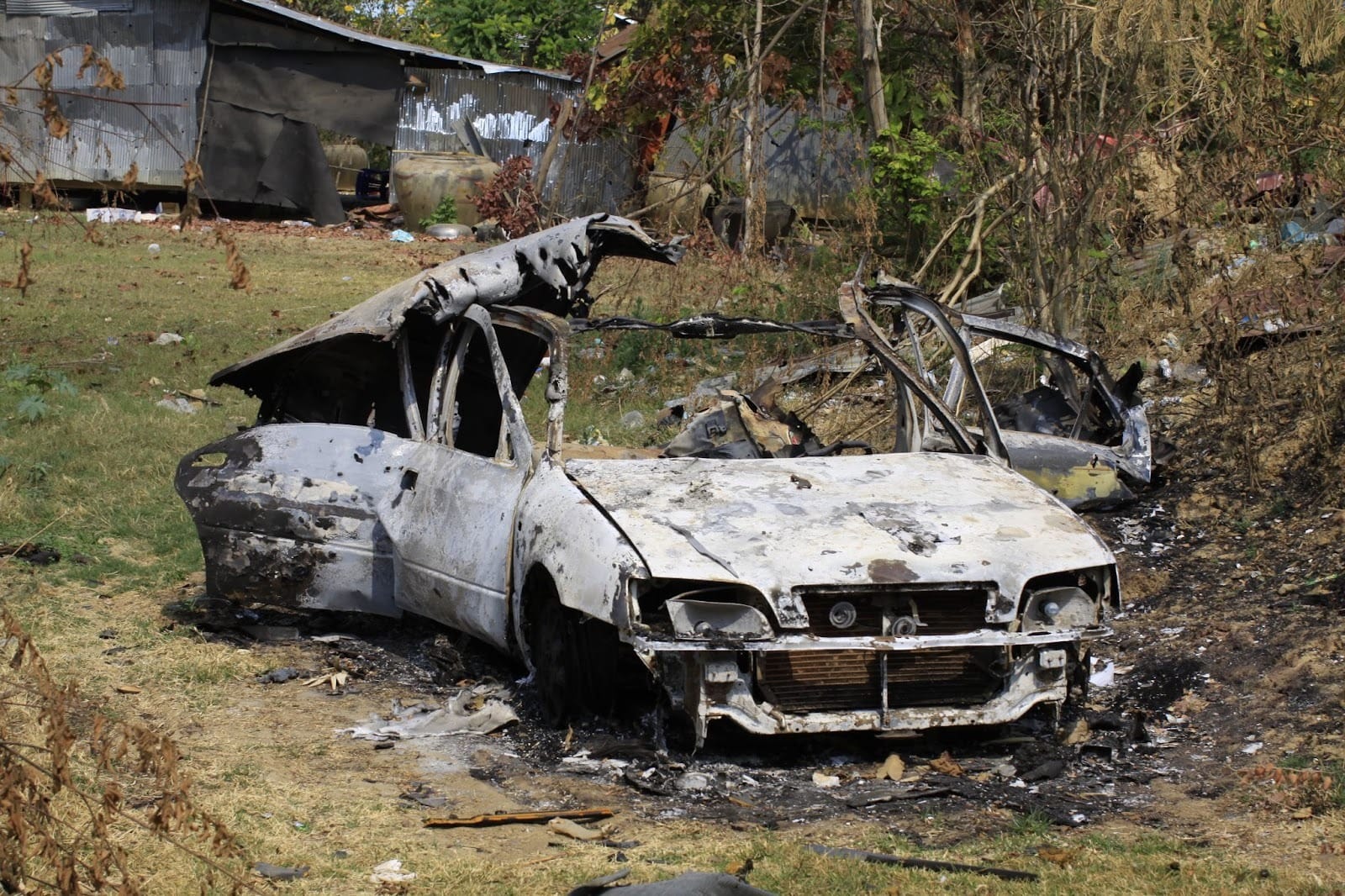
The death of one Cambodian soldier caused the skirmish to spiral out of control. By July 24, the conflict escalated near the Prasat Ta Muen Thom temple, involving Cambodian BM-21 multiple rocket launchers and Thai F-16 fighter jets. Diplomatic relations collapsed further as Thai Prime Minister Paetongtarn Shinawatra and former Cambodian Prime Minister Hun Sen engaged in a heated war of words. While the Thai military ostensibly claimed the offensive was a "crackdown on border scam syndicates," the underlying causes were deep-seated territorial disputes and surging nationalism.
“Bombing Civilians to Hunt Scammers”... Border Towns Decimated
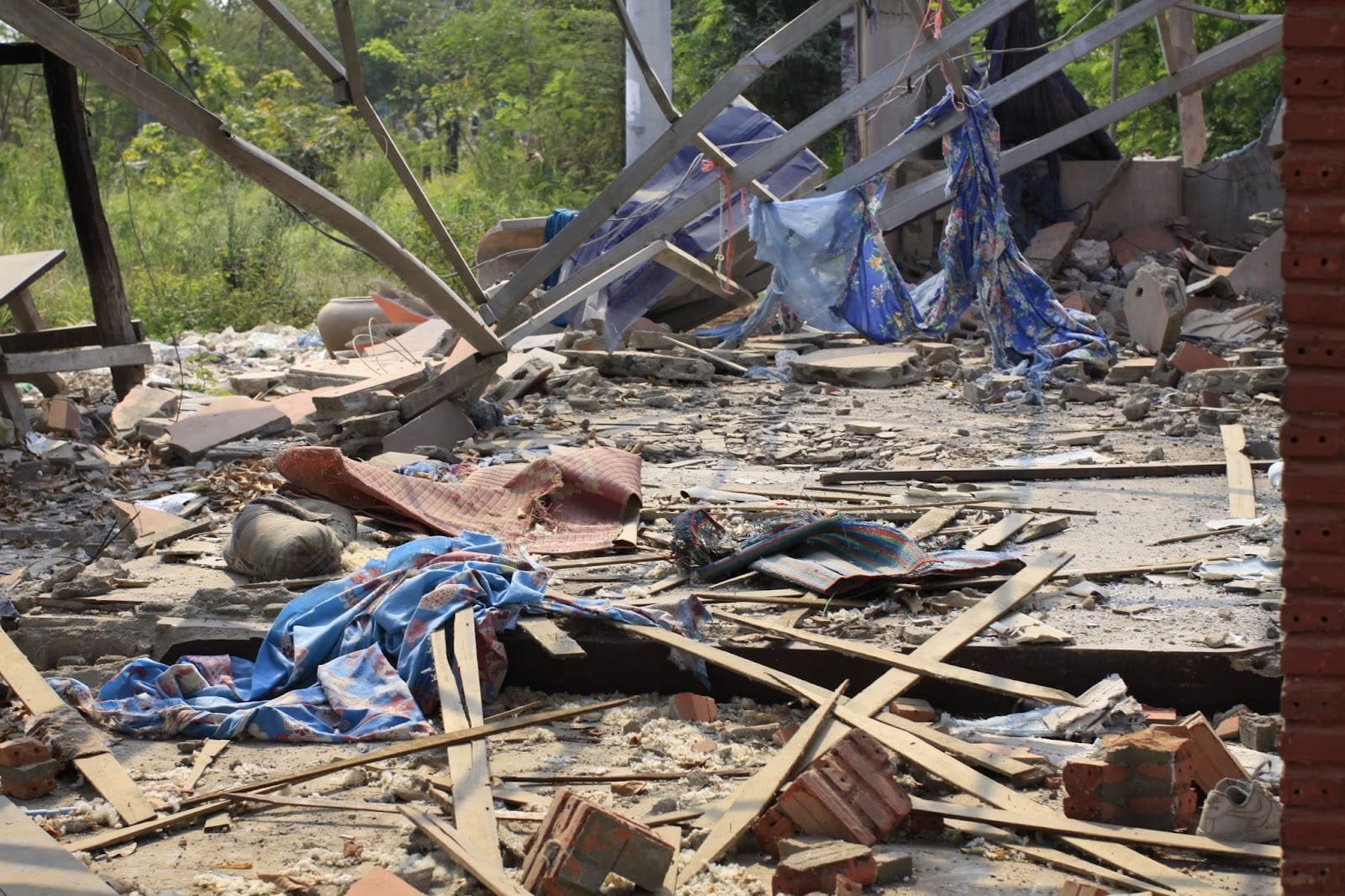
The Thai military’s declared ‘War on Scam Crime’ focused heavily on O Smach, a Cambodian border town in Oddar Meanchey Province. Its casino complexes were reduced to rubble by Thai Air Force strikes. However, those working there were not criminals, but ordinary laborers.
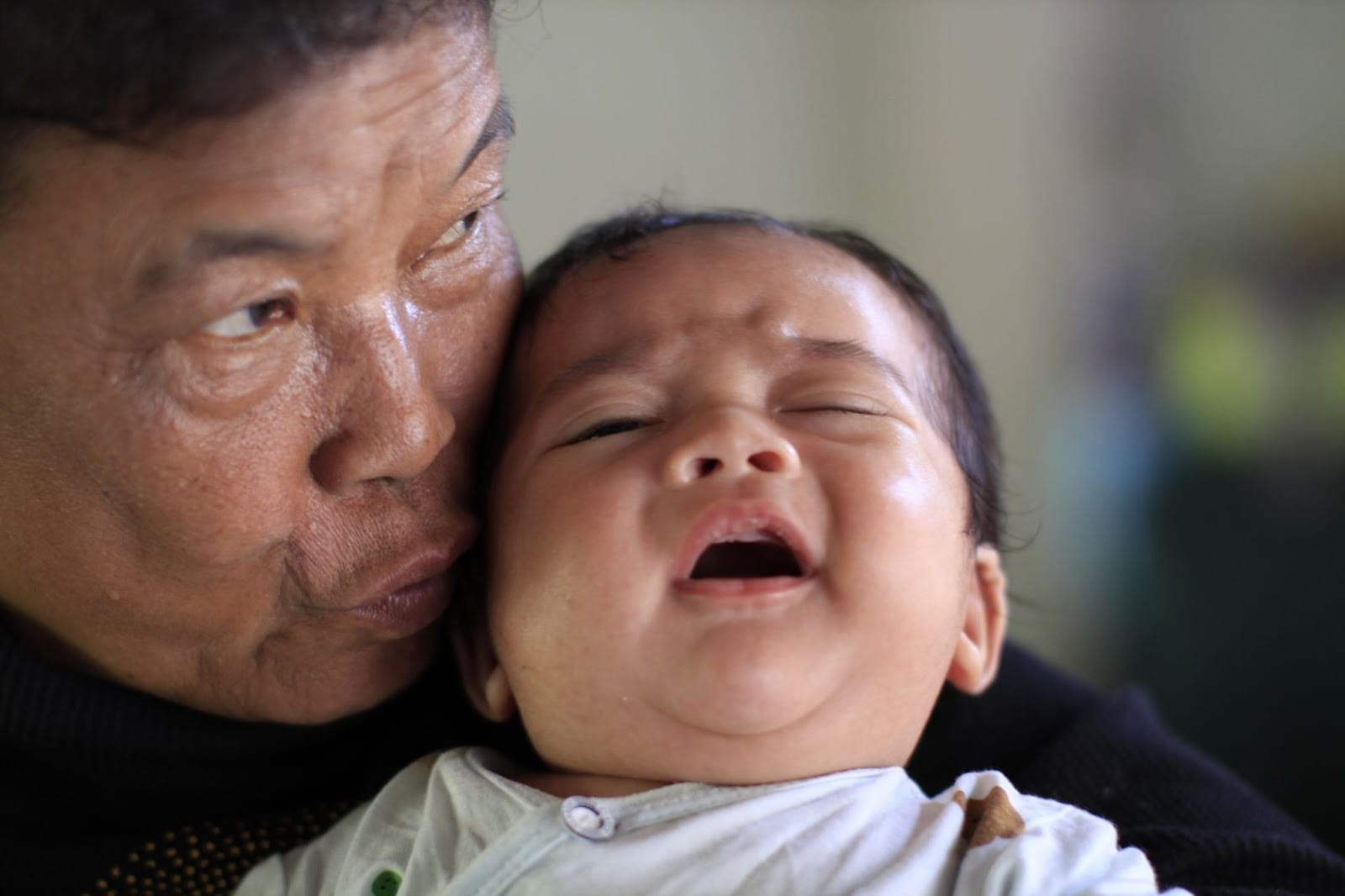
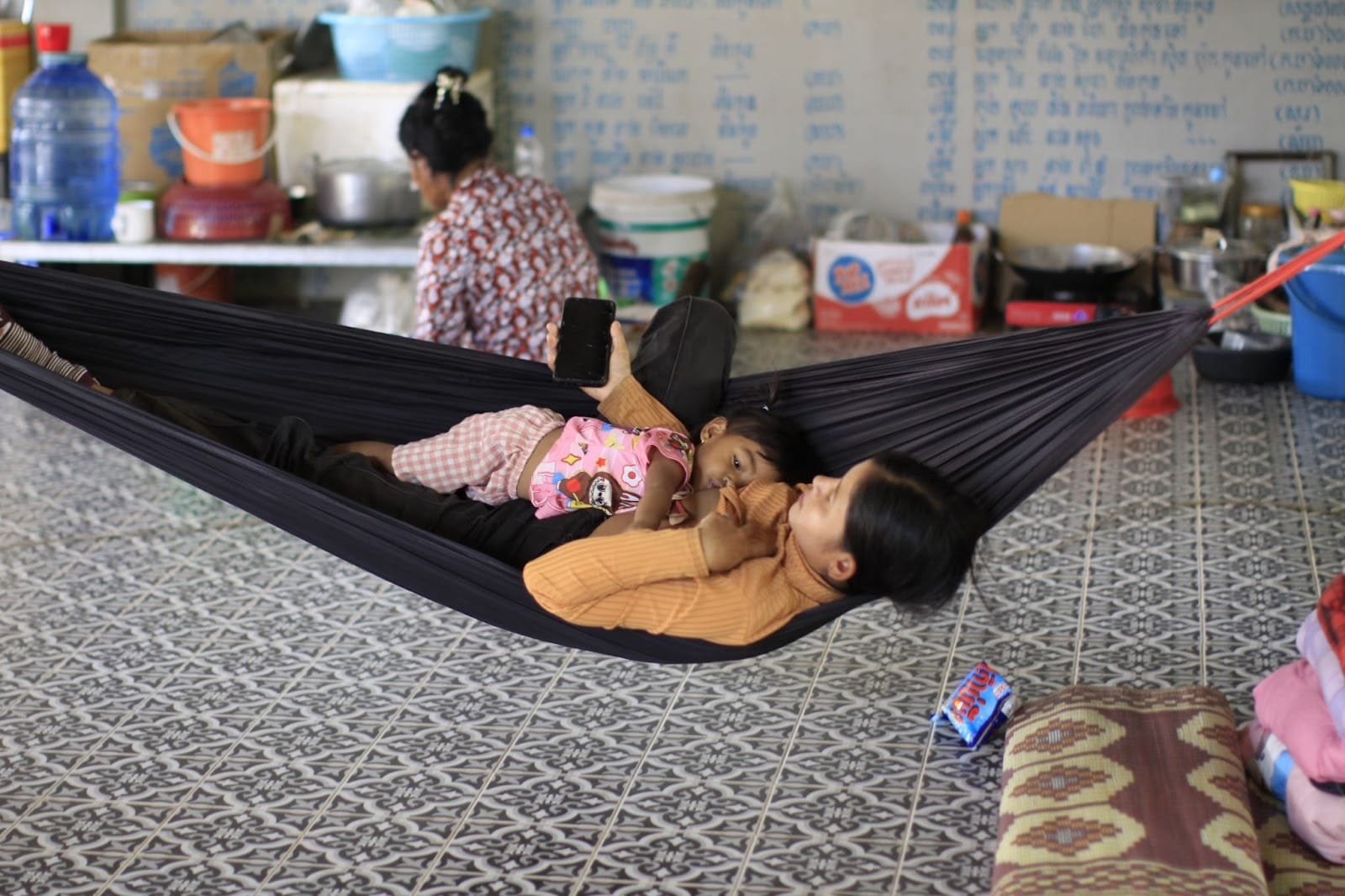
Jongbupha (25), a casino dealer in O Smach, fled with her 15-day-old son. “Immediately after Thai jets dropped bombs on the village, I grabbed a few clothes and hopped onto a motorcycle trailer,” she recalled. Living in a makeshift temple shelter before she could even recover from childbirth, she wept, saying, “I don’t know if this is about power or territory, but my innocent baby shouldn't have to suffer like this.”
Built with Thai Wages, Destroyed by the Thai Military
The absurdity of the war is most visible in the ruins of border village homes. Kien Srung (31), a resident of Banteay Meanchey Province, saved $20,000 over several years working in Thai sugarcane fields and potato factories to build his home. Ironically, that house—his family’s dream—was destroyed by a 150mm shell fired by the very military of the country where he earned the money.
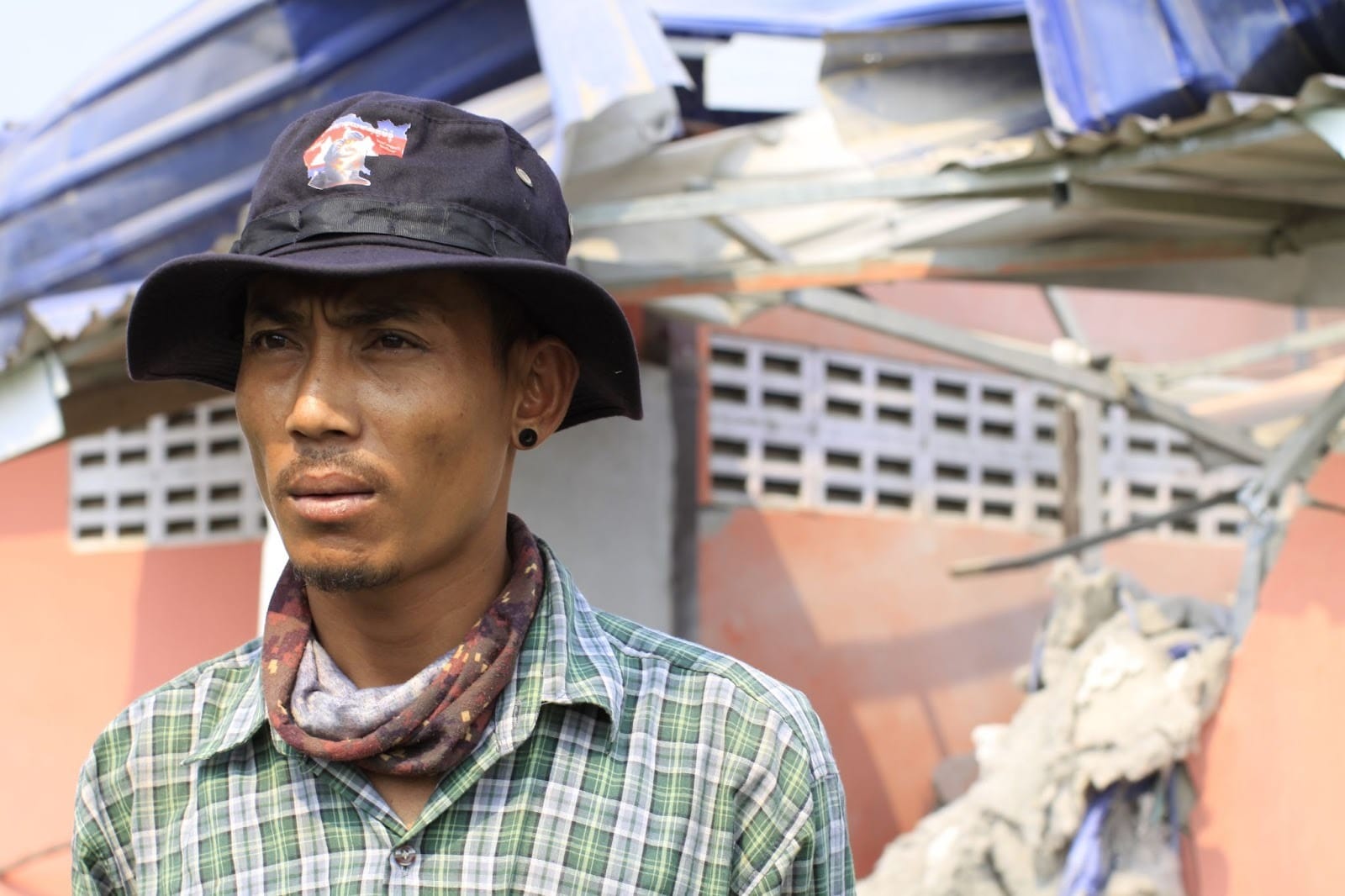
“They say they fired the shells to cut off the roads, but I don’t know why they hit my house,” he said. “I don’t know how to process the reality that the house I built with money earned in Thailand was blown up by the Thai army.”
Broken Peace, A Missing Spring
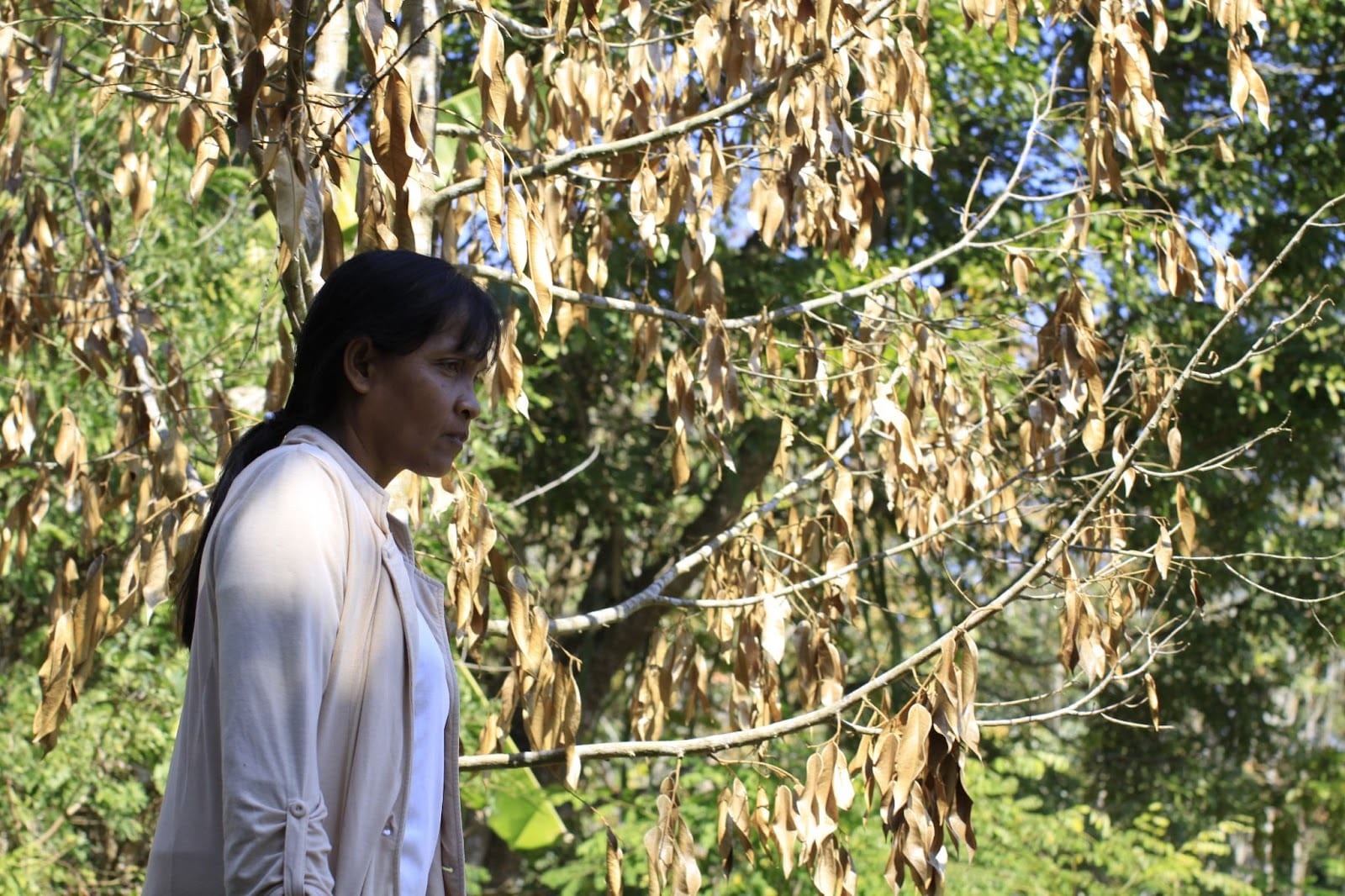
The situation is no different across the border in Kantharalak, Sisaket Province, Thailand. Paengsri (52), a local resident, had to flee her home for the first time in 30 years and live as a refugee for over 20 days. During her absence, the rubber and durian trees she had meticulously tended withered and died. “The government only cares about the military winning; they have no interest in the damage suffered by people like us,” Paengsri said in frustration.
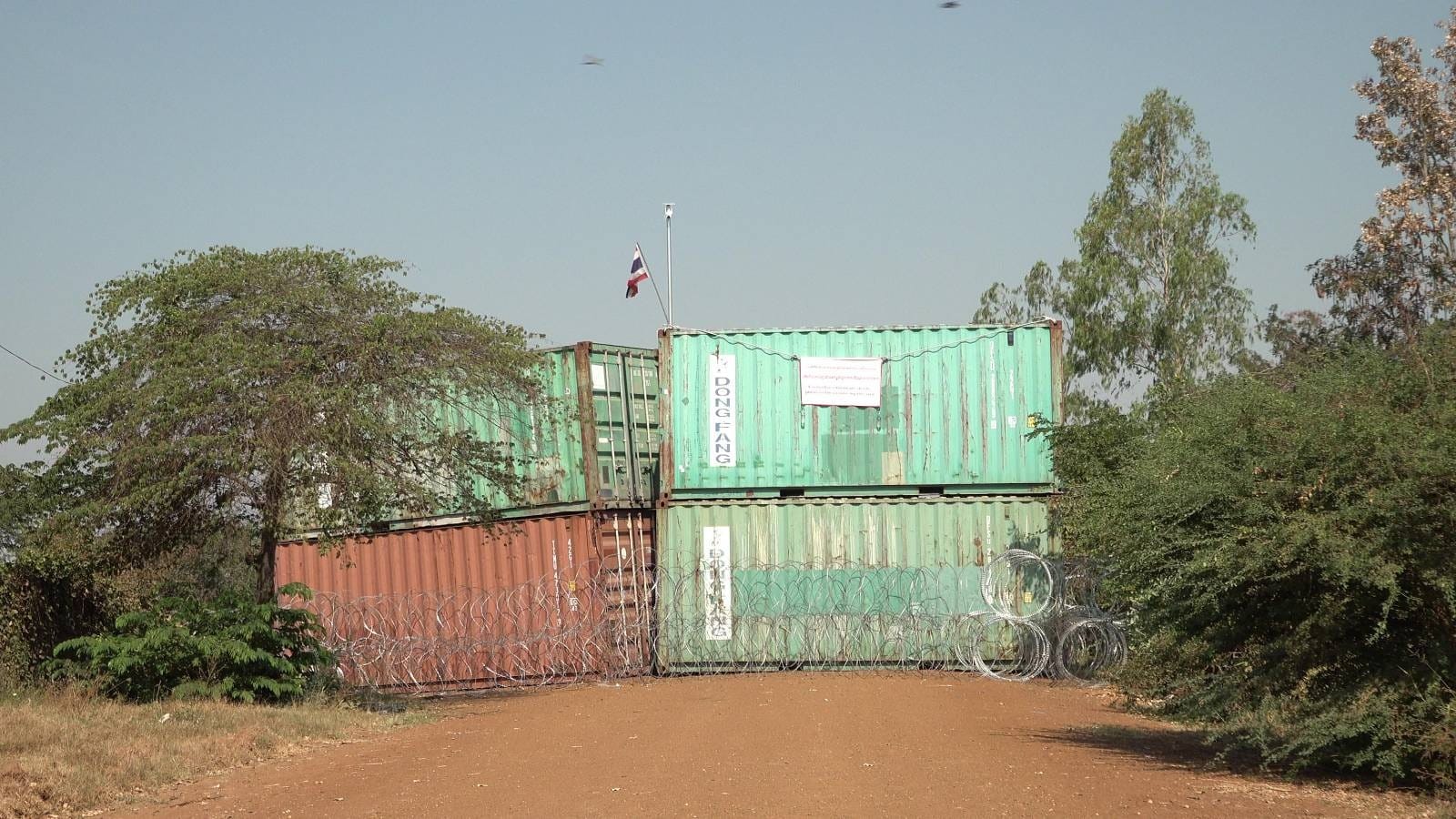
On December 27, 2025, a ceasefire agreement was signed. Yet, tension still hangs heavy over the border. The Thai military continues to install container barriers along the frontier. Although the UN and ASEAN have stepped in to monitor the situation, the gap between the two nations regarding territorial claims remains wide.
“I hope the next government brings peace, but that feels like looking for a tiny star in a pitch-black universe,” said one displaced resident. Recently elected Thai Prime Minister Anutin Charnvirakul campaigned on building border walls, and Thai authorities are currently tightening control by installing physical barriers made of barbed wire and containers in disputed areas. In the spring of 2026, the roar of artillery temporarily ceased, but for the 79,000 displaced people, ‘true peace’ remains a distant dream.
Reporting Seulki Lee - skidolma@thedunia.org