China’s deep-sea mining fleet may also track US submarines (2)
By Elizabeth Claire Alberts, Kara Fox
● A Mongabay and CNN investigation found the eight Chinese state-owned ships that conduct deep-sea mining research in China’s mining areas allocated by the International Seabed Authority (ISA) actually spent little time in these exploration areas, while spending much of their remaining time operating in militarily strategic waters.
● Many of these vessels are linked to the Chinese Navy, have regularly called on military-connected ports, encroached on other countries’ coastal exclusive economic zones and turned off their AIS location beacons. While none of this proves the vessels serve military roles, it suggests the ships may serve dual-use purposes, having a strategic military role as well as a scientific one.
● With China positioning itself as a leader in deep-sea mining, the U.S. is accelerating its own push to access seabed areas and counter China’s dominance in critical mineral supply chains. The Cook Islands is one hotspot where U.S-China competition is intensifying.
● As competition heightens between China and the U.S., critics of the industry warn deep-sea mining could cause irreversible harm to marine ecosystems, raising fears that the environment could be the main casualty in this geopolitical rivalry.
[This article was produced in partnership with CNN with support from the Pulitzer Center’s Ocean Reporting Network, where Elizabeth Claire Alberts was a fellow.]
(Continued from the first part of the article)
Chinese ships sail far to French, Polish and other mining sites
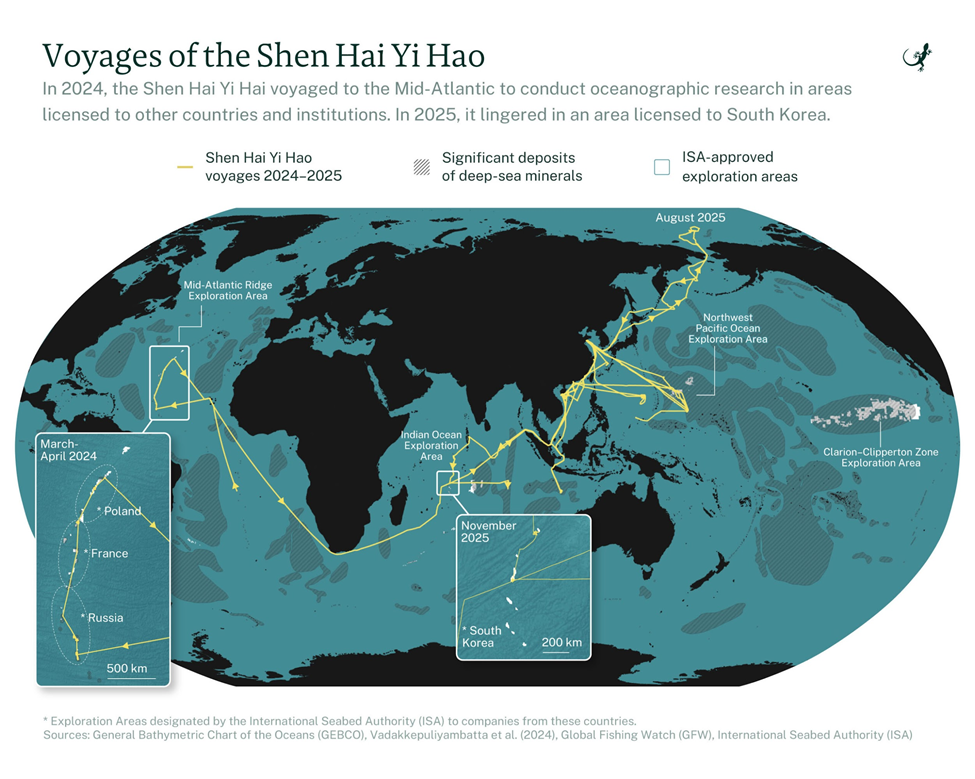
The eight Chinese exploration ships are not going just into areas contracted to Chinese companies — they are also spending time in places that the ISA licensed to non-Chinese companies and governments and reserve areas. This is permitted under international law.
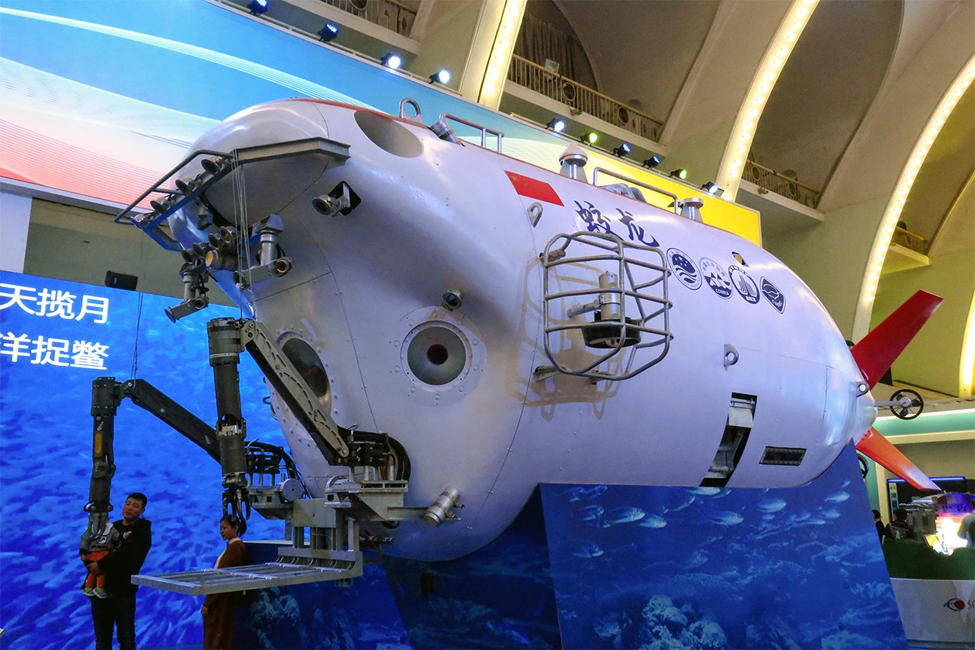
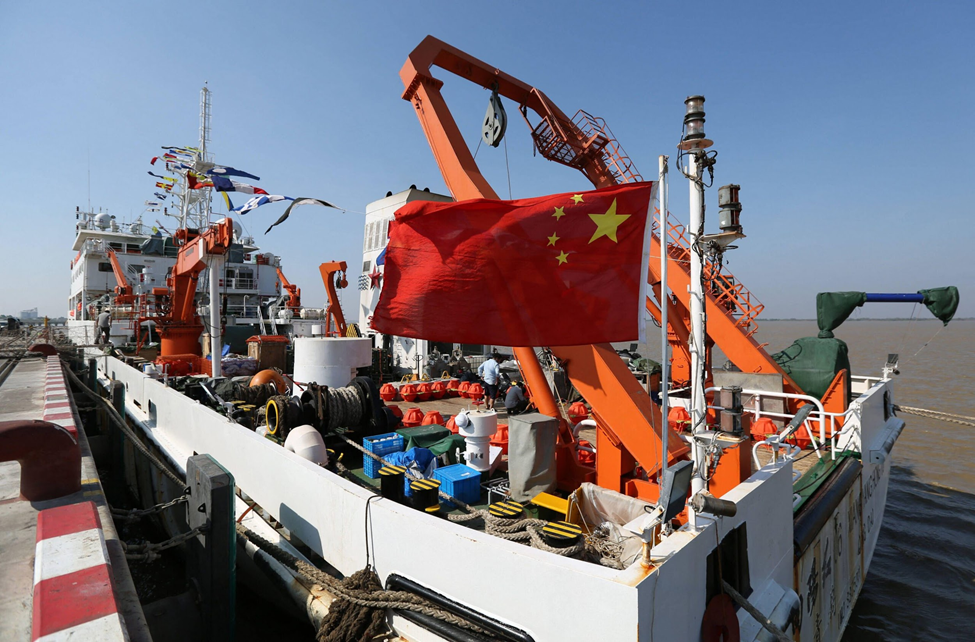
For instance, in December 2023, the Shen Hai Yi Hao — a vessel that was built to carry the Jiaolong, one of China’s biggest manned submersibles — began a journey of more than 25,000 km (15,500 mi) from eastern China to the North Atlantic. The vessel appeared to conduct oceanic exploration along the journey. Some missions stand out: During March and April 2024it operated around three ISA areas contracted separately to France’s research institute IFREMER, Poland and Russia. In November 2025, the same vessel lingered in a swath that the ISA licensed to South Korea.
Representatives from IFREMER, Poland and South Korea said the research activity is allowed under international law. IFREMER and Poland representatives also confirmed they had been notified ahead of the Shen Hai Yi Hao’s visit. Russia did not respond to a request for comment.
The ISA said it had no information whether the Shen Hai Yi Hao was passing through these areas or if they conducted surveys.
The National Deep Sea Center of China, which owns and operates the Shen Hai Yi Hao, did not respond to questions about this voyage.
Darshana Baruah, an expert in Indo-Pacific defense and strategy at the International Institute for Strategic Studies (IISS), told Mongabay and CNN that Chinese vessels gather more than scientific data. She said they go to other ISA areas for strategic information.
“The scientific data that you pick up in the underwater domain can be applied across different areas,” Baruah said. “Being present in those waters would give them a far broader understanding of the geopolitics of the region, the logistics of sailing, the logistics of maintaining that presence, if they wish to.”
China has also spent time conducting deep-sea mining research in other waters. For instance, in 2021, China tested a nodule collection system in the East China Sea and South China Sea. In 2025, China also announced plans for constructing a laboratory capable of operating roughly 2,000 meters (6,500 feet) beneath the South China Sea. The research station, due for completion in 2030, will focus on cold-seep ecosystems — critical for understanding energy resources including hydrocarbon and gas hydrate reservoirs — while also reinforcing Chinese reach in one of the world’s strategically contested maritime regions.
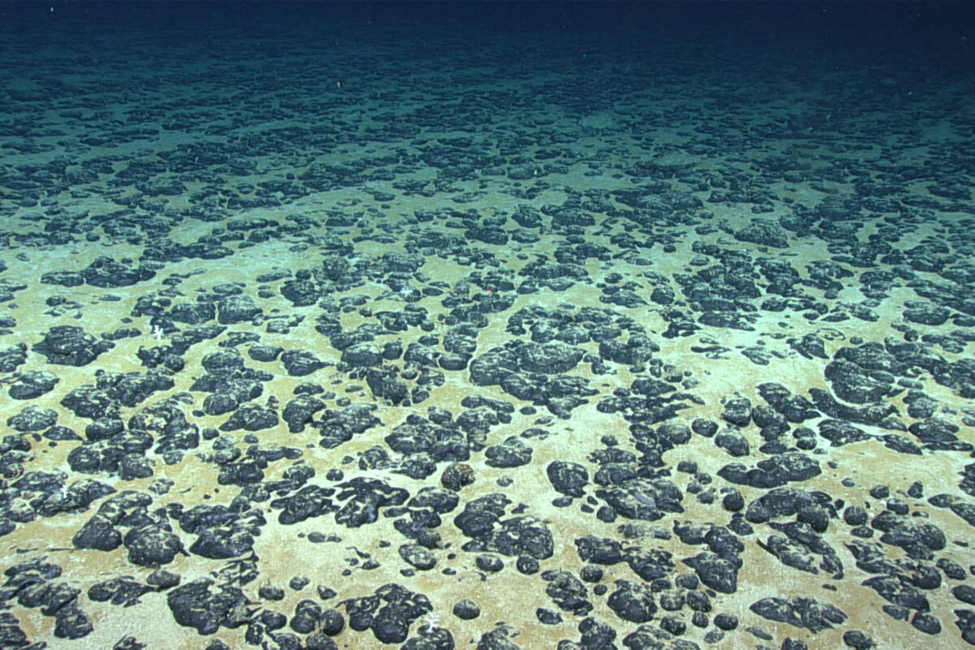
While deep-sea mining exploration is ongoing, neither China nor any other nation has begun deep-sea mining on a commercial scale. In the international sphere, this is largely due to the fact that the ISA has yet to adopt regulations that would allow exploitation to proceed in areas beyond national jurisdiction. In addition, nodule processing at a commercial scale is still in its infancy.
U.S. accelerates plans to mine the deep sea
The U.S., meanwhile, is pressing forward with its ambitions to begin undersea mining in international waters.
Representatives from China and other nations, as well as the ISA, have said the U.S. would be violating international law. A spokesperson from China’s Ministry of Foreign Affairs told Mongabay and CNN that “according to international law, the international seabed area and its resources are the common heritage of mankind, and no country may bypass the ISA to independently authorize exploration or development activities.”
“China urges the United States to heed the voices of the international community, to pull back before it is too late, change course, respect the international seabed system, and uphold the overall interests of the international community,” the spokesperson added.
The U.S is not a member of the ISA and has not ratified the U.N. Convention on the Law of the Sea (UNCLOS). It is classified by the ISA as only a nonvoting observer. The U.S. State Department said in a statement to Mongabay and CNN that it is “committed to the responsible development of seabed mineral resources” and that the UNCLOS “framework for deep seabed mining does not apply to non-parties like the United States, carries no weight under customary international law” and claimed it “has become a tool of malicious actors.”
Since Trump returned to the presidency in 2025, the U.S. government has argued that it needs deep-sea minerals for its national security and to counter Chinese mineral dominance.
In April 2025, Trump signed an executive order titled “Unleashing America’s Offshore Critical Minerals and Resources” that calls for accelerating the industry in both domestic and international waters.
On Jan. 21, the U.S. National Oceanic and Atmospheric Administration (NOAA) approved a controversial rule that would expedite licensing and permitting.
The U.S. is pressing forward on other fronts. In its territorial waters, the U.S. Bureau of Ocean Energy Management has advanced efforts to pursue deep-sea mining near American Samoa, the Northern Mariana Islands and off the coasts of the U.S. states of Virginia and Alaska, including the Aleutian Islands, prompting local and environmental opposition. The U.S. also partnered with Japan to test the extraction of deep-sea muds rich in rare earth elements — crucial minerals for weapon systems — around Minamitori Island, which lies in Japan’s EEZ and serves as a military base. China currently dominates the global market share of production and processing of rare earth elements.
Many of these places, especially in the Pacific, carry strategic significance for U.S. military competition with China. Neither the U.S. State Department nor the White House responded to questions about whether pursuing mining in these areas was also about mineral dominance, in addition to seabed resource extraction. China also did not respond to questions regarding this matter.
While some ships in NOAA’s fleet have supported the U.S. Navy and broader national security interests through data sharing and collaborative research, it is unclear whether vessels involved in deep-sea mining track Chinese submarines or perform similar military work. Experts interviewed for this story said they found no evidence that U.S. deep-sea mining ships conduct surveillance missions. The U.S. navy operates vessels specifically designed for maritime surveillance. Neither NOAA nor the U.S. Navy responded to questions for this story.
‘Inviting environmental disaster’
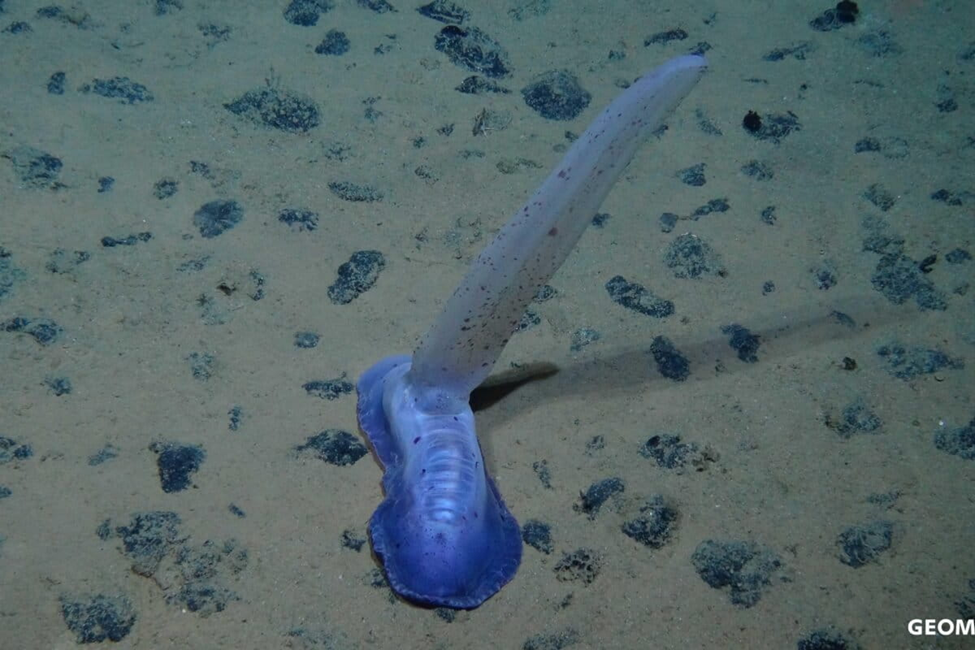
As plans to mine the ocean floor progress, a growing number of scientists, environmentalists, companies and nations warn that mining could irreparably damage ecosystems that have evolved over millions of years and host an extraordinary kaleidoscope of life forms.
A Chinese-led research project, which utilized China’s deep-sea submersible Fendouzhe in 2021, identified 7,564 species of hadal prokaryotic microorganisms — tiny organisms that play a crucial role in the marine food web by cycling nutrients. Nearly 90% of these species were previously unknown.
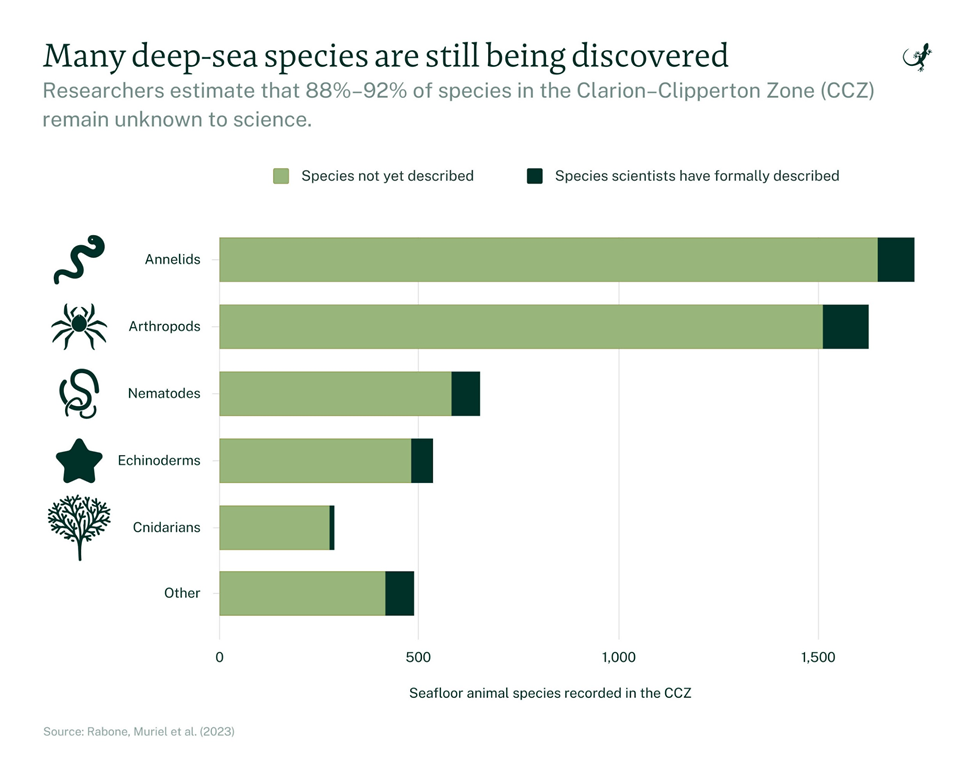
Meanwhile, a study published in March 2025 in Nature found that 44 years after a mining test, biodiversity had still not fully recovered.
Another study, published in December 2025 in Nature Ecology & Evolution, estimated that industrial-scale deep-sea mining tests done in 2022 caused a 37% reduction in animal abundance within the directly mined areas of the Pacific’s CCZ.
Critics of deep-sea mining also point out that very little is known about the deep sea and its marine life.
Emily Jeffers, senior attorney at the Arizona-based nonprofit Center for Biological Diversity, said U.S. plans to fast-track the start of deep-sea mining were “inviting an environmental disaster.”
She is not alone worrying about the ecological toll. Environmental attorney Lori Osmundsen, based in Oregon, said she doesn’t have confidence the Trump administration will adhere to environmental laws.
Isaac Kardon, a senior fellow for China studies at the Carnegie Endowment for International Peace, said he believed China has a similar stance.
.jpg?ref=dunia-asia.org)
“China says nice things about the environment, but it’s very obviously committed to pushing forward,” Kardon said. “They’re not going to accept environmental impact reports or whatever that are not supportive of proceeding with drilling.”
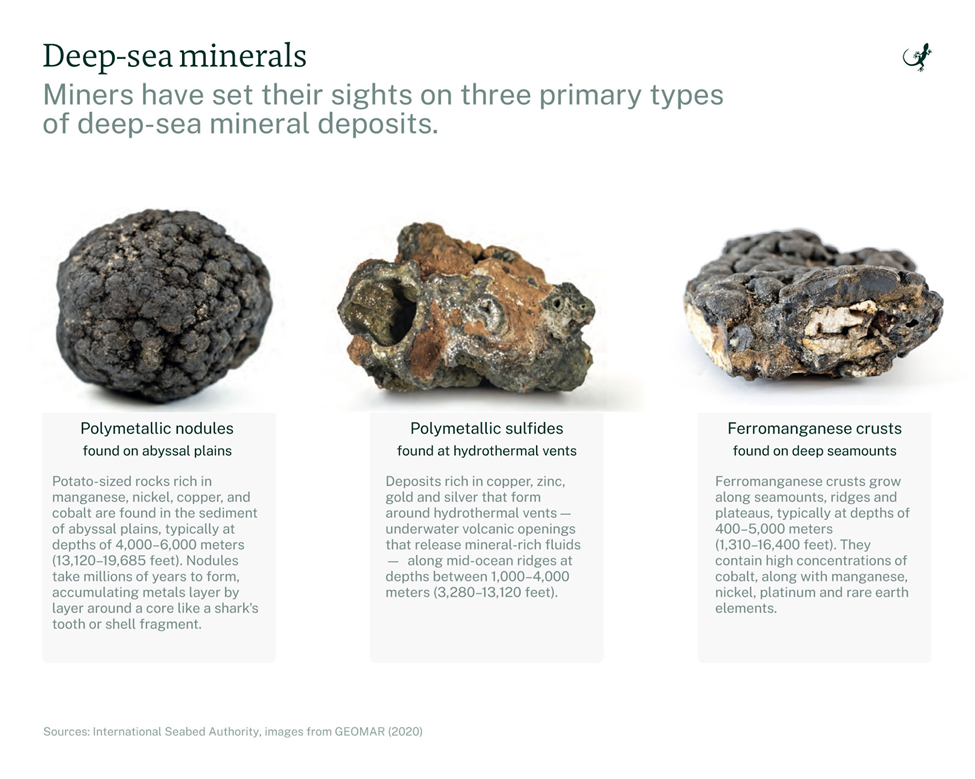
Those in favor of deep-sea mining say minerals are desperately needed for a modern society. They argue that certain minerals found on the ocean floor are harder to procure on land, such as nickel and cobalt, and that deep-sea mining would be less destructive to the environment and human rights. They also advocate the many uses of deep-sea minerals — from renewable energy technologies such as electric vehicle batteries to a wide range of military applications.
More than a mineral race?
But the ships followed by Mongabay and CNN appear interested in more than deep-sea mining, according to more than a dozen naval, civil and academic experts.
Mongabay and CNN’s data analysis found the eight vessels only spent 6% of their sea time in ISA-designated deep-sea mining areas. The rest of the time, they were circumnavigating large swaths of the ocean, transiting through politically sensitive areas such as waters near Guam or China’s overlapping claim with Taiwan. The majority of analysts interviewed for this story said they believed these vessels were collecting information that could include military intelligence. The ships may have been gathering information that might be used in warfare, such as locating telecommunications cables that could be severed and gathering information to track another country’s submarines, the analysts said.
Routes, surveys and sound pollution
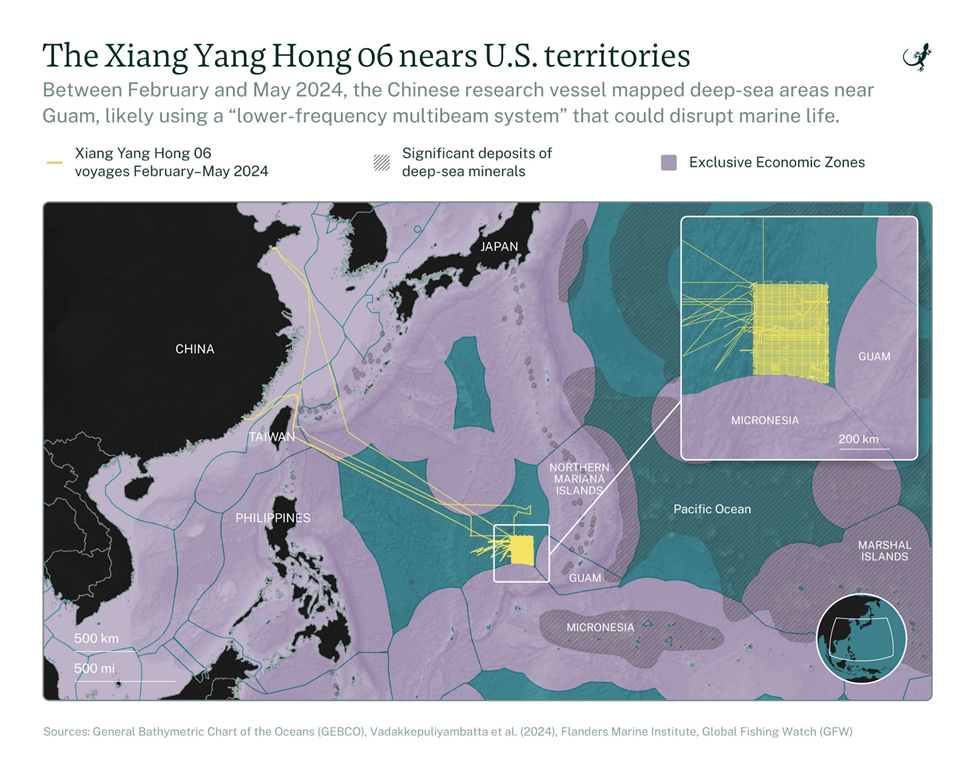
Another of the eight Chinese research ships apparently mapped areas around Guam and the Mariana Islands.
Between February and May 2024, the Xiang Yang Hong 06 appeared to scan a roughly 44,000-km2 area (17,000 mi2) of the seabed, just west of Guam, a U.S. territory that is home to Andersen Air Force Base, a key base for long-range bombers and a port for U.S. nuclear attack submarines that could be vital to defend Taiwan. The vessel tracks indicated the Chinese ship was moving in what analysts described as a lawnmower pattern, likely surveying the undersea features below.
Michael Jasny, an expert on ocean noise pollution at the New York City-based Natural Resources Defense Council, said that based on the vessel’s movements, the ship was likely conducting a survey using a “lower-frequency multibeam system.”
This technique can cause substantial harm to cetaceans such as whales, he said.
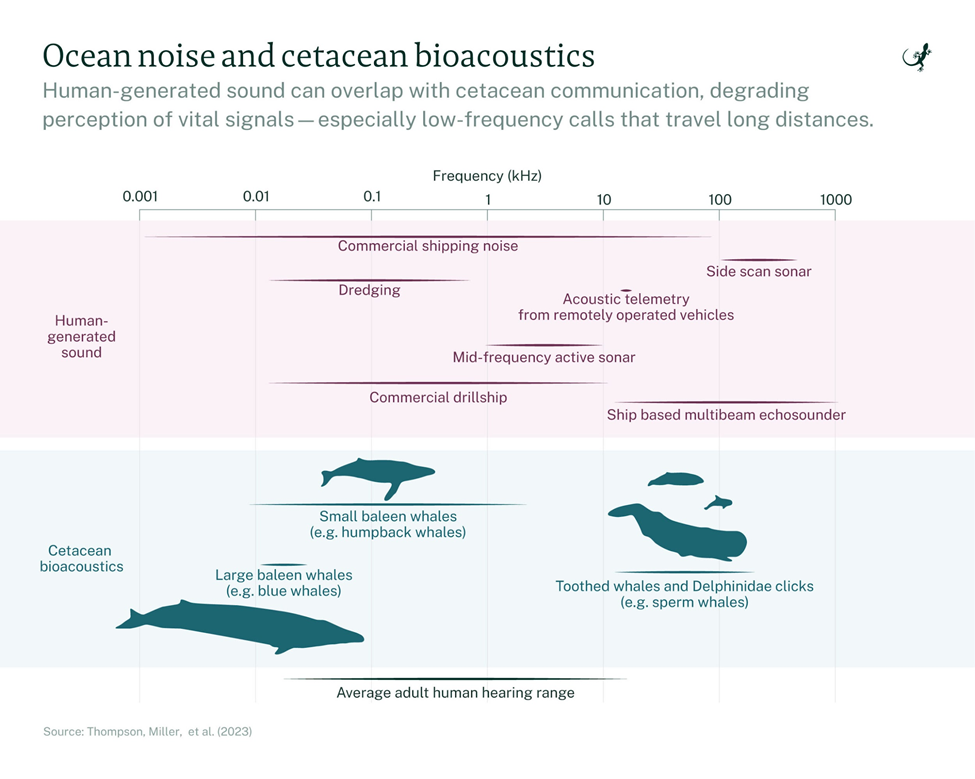
“What concerns me in this case is the potential exposure of large, understudied areas of ocean to disruptive noise,” Jasny told Mongabay and CNN in an email following our interview.
“These ships are probably using very powerful echosounders if they mean to map the seafloor four thousand meters down — systems that are known to silence whales and even cause animals to strand in some circumstances. From the standpoint of ocean life, they may be shooting first and asking questions later, if at all.”
The Ministry of Natural Resources’ North China Sea Bureau, which owns and operates the Xiang Yang Hong 06, did not respond to questions about the ship’s activities, the nature of its work or if they mitigate environmental impacts.
The Xiang Yang Hong 06 eventually reached the Philippine Sea, where it traveled along the east coast of Taiwan, the island nation whose independence is a long-standing source of friction with China. The ship followed a path that other Chinese oceanographic vessels have taken, traveling slowly along the Taiwanese seaboard.
In February 2024, the vessel Da Yang Hao made a similar route up the east coast of Taiwan, tracing parallel lines for five days. Experts suggest the vessel could have been acoustic monitoring, taking the sound profile of the area, which can be helpful for finding submarines. COMRA, which owns the Da Yang Hao, did not respond to a request for comment.
“You just suspect that they’ve got some extra ears listening in for certain things that they’d like to know about,” said Powell of SeaLight.
(To be continued to the part three)
Elizabeth Claire Alberts is a senior staff writer for Mongabay and was a 2024-25 fellow with the Pulitzer Center’s Ocean Reporting Network. Find her on Bluesky and LinkedIn.
Kara Fox is a senior reporter at CNN International and a guest contributor to the Pulitzer Center.
Yong Xiong, Lou Robinson and Joyce Jiang of CNN contributed to the reporting of this story. Kuang Keng Kuek Ser and Fernanda Buffa of the Pulitzer Center also contributed to the reporting of the story
Citations:
Jones, D. O., Arias, M. B., Van Audenhaege, L., Blackbird, S., Boolukos, C., Bribiesca-Contreras, G., … Glover, A. G. (2025). Long-term impact and biological recovery in a deep-sea mining track. Nature, 642(8066), 112-118. doi:10.1038/s41586-025-08921-3
Stewart, E. C., Wiklund, H., Neal, L., Bribiesca-Contreras, G., Drennan, R., Boolukos, C. M., … Glover, A. G. (2025). Impacts of an industrial deep-sea mining trial on macrofaunal biodiversity. Nature Ecology & Evolution. doi:10.1038/s41559-025-02911-4
Xiao, X., Zhao, W., Song, Z., Qi, Q., Wang, B., Zhu, J., … Liu, S. (2025). Microbial ecosystems and ecological driving forces in the deepest ocean sediments. Cell, 188(5), 1363-1377. doi:10.1016/j.cell.2024.12.036