China’s deep-sea mining fleet may also track US submarines (3)
By Elizabeth Claire Alberts, Kara Fox
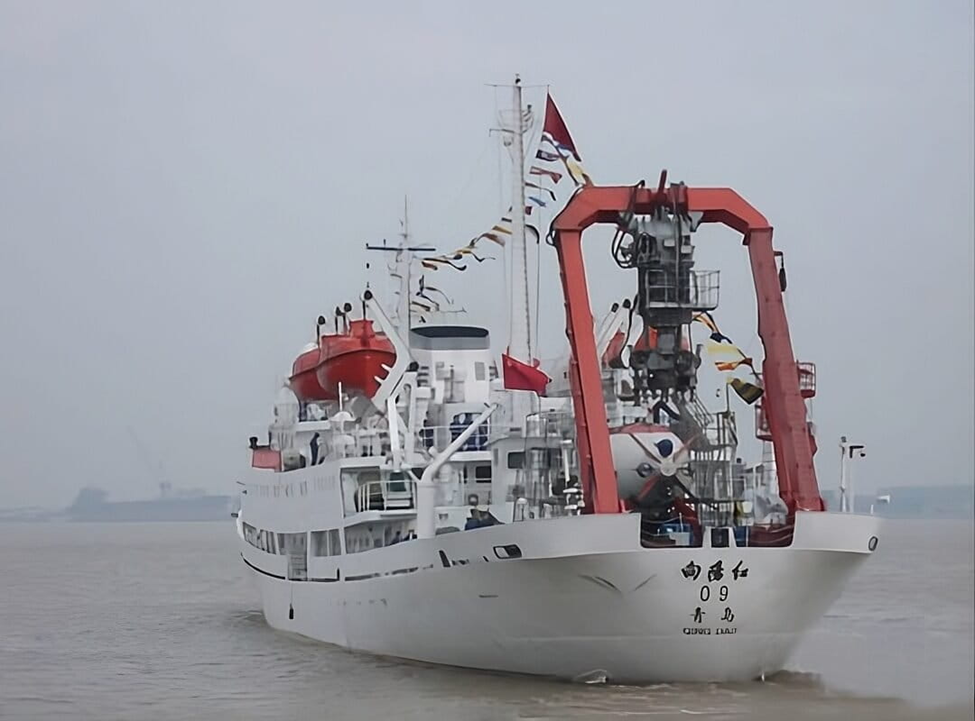
● A Mongabay and CNN investigation found the eight Chinese state-owned ships that conduct deep-sea mining research in China’s mining areas allocated by the International Seabed Authority (ISA) actually spent little time in these exploration areas, while spending much of their remaining time operating in militarily strategic waters.
● Many of these vessels are linked to the Chinese Navy, have regularly called on military-connected ports, encroached on other countries’ coastal exclusive economic zones and turned off their AIS location beacons. While none of this proves the vessels serve military roles, it suggests the ships may serve dual-use purposes, having a strategic military role as well as a scientific one.
● With China positioning itself as a leader in deep-sea mining, the U.S. is accelerating its own push to access seabed areas and counter China’s dominance in critical mineral supply chains. The Cook Islands is one hotspot where U.S-China competition is intensifying.
● As competition heightens between China and the U.S., critics of the industry warn deep-sea mining could cause irreversible harm to marine ecosystems, raising fears that the environment could be the main casualty in this geopolitical rivalry.
[This article was produced in partnership with CNN with support from the Pulitzer Center’s Ocean Reporting Network, where Elizabeth Claire Alberts was a fellow. Dunia republishes the story in a three parts series.]
(Continued from the first part, the second part of the article)
Chinese vessels by Taiwan
The vessels that Mongabay and CNN analyzed went on many other journeys that seemed to stretch beyond the realm of scientific discovery.
For example, in November 2023, the Xiang Yang Hong 03 spent 48 hours doing survey work over a known transpacific cable, covering around 400 square nautical mi (about 1,400 km2 or 530 mi2), smaller than other surveys the vessel conducted.
The vessel “made a fairly direct line straight to one particular part of the ocean,” where undersea cables had been laid three years prior, Douglas of Starboard said. It continued to do “what looks like to be a very focused little bit of survey work over the course of a couple of days over top of the cable,” before it left the area, he said.
Douglas called the vessel’s movements around the cables “a smoking gun” that it was gathering strategic intelligence.
China’s Third Institute of Oceanography, part of the Ministry of Natural Resources, owns and operates the Xiang Yang Hong 03. It did not respond to a request for comment.
Another incident occurred in May 2023 when the Hai Yang Di Zhi Liu Hao entered Palau’s EEZ without authorization and slowed two knots while passing over Palau’s fiber optic cable — a behavior Palauan officials called “questionable.” The China Geological Survey, which owns the Hai Yang Di Zhi Liu Hao, didn’t respond to questions about this incident.
China has previously been charged with sabotaging undersea cables. In 2025, Taiwan jailed the Chinese captain of the cargo ship Hong Tai 58 for damaging undersea cables that connect Taiwan’s main island and the Penghu islands in the Taiwan Strait. The captain denied wrongdoing, according to published reports. He admitted that he ordered his crew to drop anchor, which damaged the cables, but that he was merely negligent in his duties as captain.
A spokesperson for China’s Taiwan Affairs Office said earlier this year that damage to undersea cables is not unusual, describing such incidents as “common maritime accidents.”
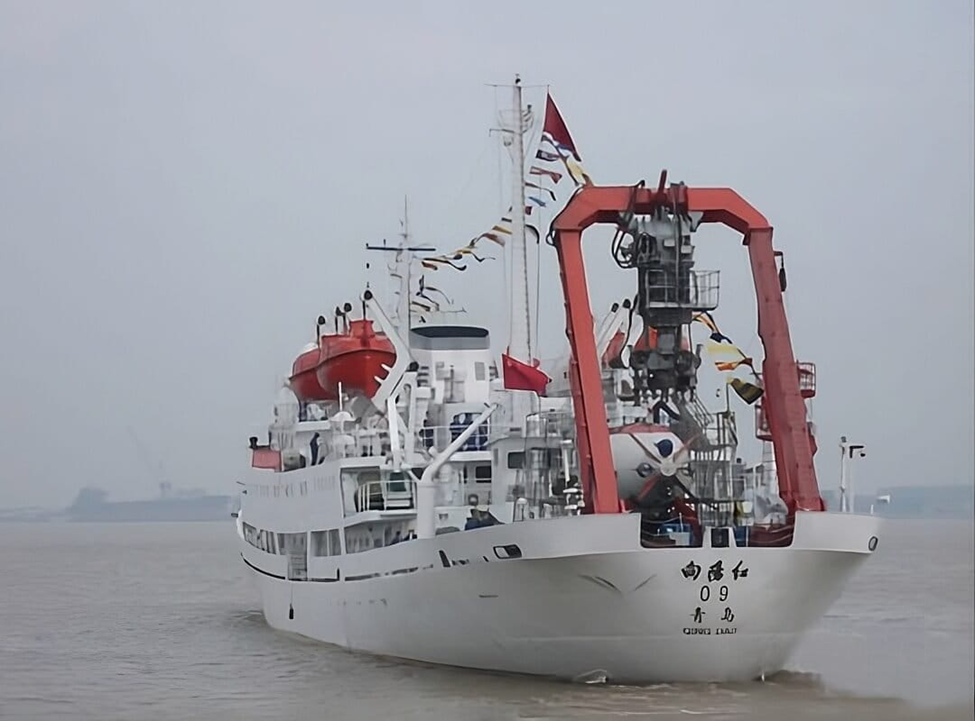
China’s oceanographic vessels have also appeared to go on strategic missions in Russian waters.
In August 2024, the vessel Ke Xue — a deep-sea mining vessel that completed its last mission to an ISA-designated area in 2018 — entered the Bering Sea and lingered. Ryan D. Martinson of the U.S. Naval War College’s China Maritime Studies Institute wrote in a report that the vessel appeared to be collecting data, installing moored instruments or even deploying submersibles.
The Ke Xue also cruised by Alaska’s Aleutian Islands, within the U.S. EEZ, three times before returning to Qingdao. A spokesperson for the U.S. State Department told Mongabay and CNN that it “did not receive an application from China for this vessel to conduct marine scientific research” near the Aleutian Islands in August 2024. China’s Institute of Oceanology, which owns and operates the Ke Xue, did not respond to Mongabay and CNN’s request for comment.
Xiang Yang Hong 01 made a similar journey, entering the Bering Sea in August 2024 and operating for several days inside Russia’s EEZ. During this visit, the Xiang Yang Hong 01 went into Avacha Bay, a key hub for Russia’s Pacific Fleet and submarine forces — an action Martinson called “rare” and “unprecedented” and suggestive of Russia-China maritime cooperation.
The Russian government did not respond to a request for comment on either of these instances. The Ministry of Natural Resources’ First Institute of Oceanography, which owns and operates the Xiang Yang Hong 01, also did not respond to questions.
U.S.-China competition in the Cook Islands
While experts interviewed for this story suggested that China’s deep-sea mining vessels may be engaged in broader strategic and potentially military missions, there is little evidence that deep-sea mining sites themselves have become places of strategic friction.
But there is one place where geopolitical deep-sea mining competition does appear to be playing out: the Cook Islands.
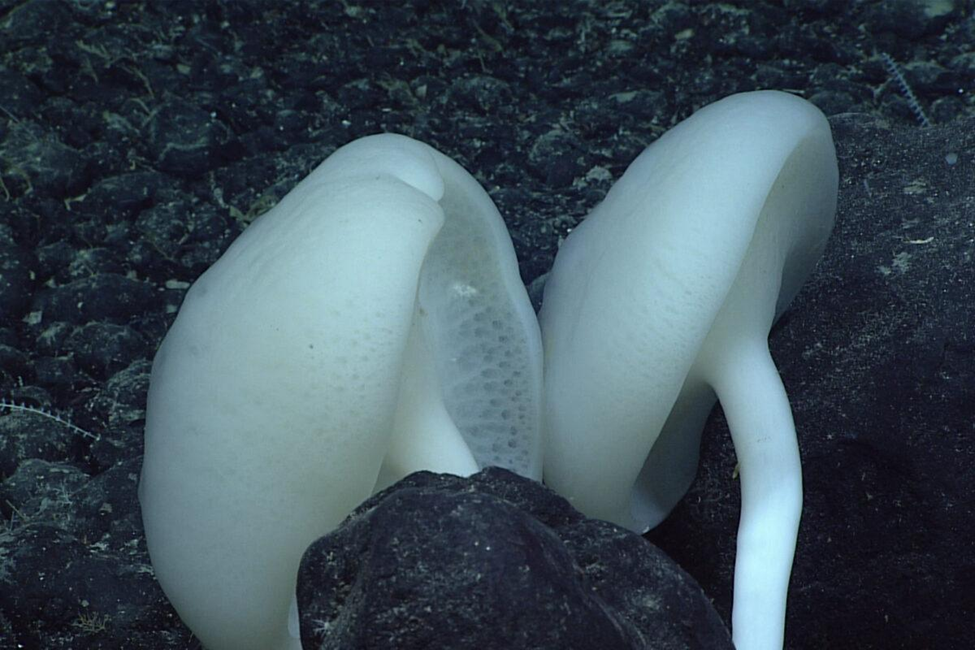
The Cook Islands are a small but strategically important archipelago that occupies a key position in the central Pacific, along major seafaring and data transmission routes. Its territorial waters also contain 6.7 billion tons of cobalt-rich polymetallic nodules, according to the Cook Islands Seabed Mineral Authority (SBMA), the regulator of the nation’s seabed mineral sector. The country is considering allowing miners to exploit its seabed, despite pushback from environmentalists.
Deep-sea mining exploration is already taking place in the Cook Islands. In 2022, the SBMA issued three deep-sea mining exploration licenses to three different companies, including some with U.S. ties.
Then China made its move. In February 2025, China signed four agreements with the Cook Islands, including a memorandum of understanding on deep-sea mining research.
This resulted in a quarrel with Aotearoa New Zealand, a close ally of the United States. The Cook Islands has a close relationship with New Zealand, including getting foreign aid, yet New Zealand eventually halted funding to the Cook Islands over the China deals.
In the months that followed, the U.S. responded to China’s move. On July 31, the U.S. Federal Bureau of Investigation announced it opened a new office in Wellington, New Zealand, to expand its reach in the Pacific and counter Chinese influence in the region. Barely a week later, on Aug. 5, the U.S. and the Cook Islands issued a joint statement of cooperation on the seabed mineral sector. Then, in October, a NOAA-funded vessel, the E/V Nautilus, traveled to the Cook Islands to conduct a 21-day deep-sea research expedition, which included a mineral survey of the EEZ that month.
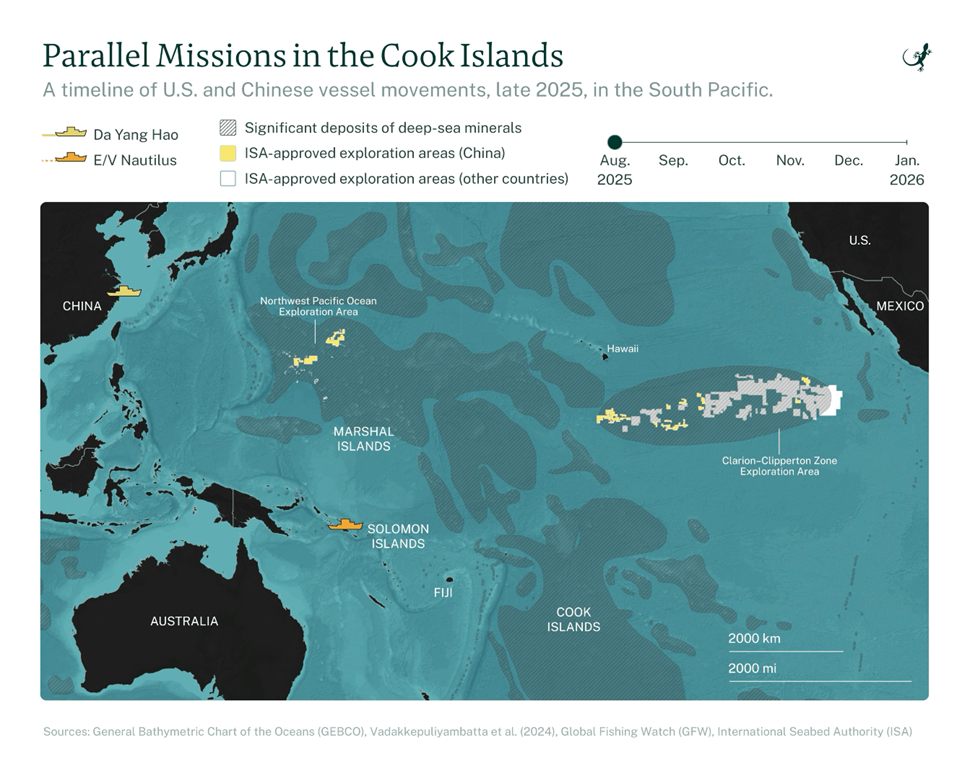
In November, the Da Yang Hao, an oceanographic ship linked to Chinese naval interests, also traveled to the Cook Islands to conduct deep-sea research.
Baruah of IISS said she believes these developments underscore the geopolitics surrounding the Cook Islands’ desire to pursue deep-sea mining.
“Cook Islands is quite strategically located, as are most of the islands in the South Pacific,” Baruah said. “Countries are more and more conscious and concerned about a dual-purpose, dual-use of leveraging non-military initiatives for intelligence gathering or domain awareness or research purposes.”
The U.S. State Department, the Cook Islands Seabed Minerals Authority and China’s Ministry of Foreign Affairs did not respond to requests for comment on these incidents.
For some on the Cook Islands, the moves by the United States and China have raised alarms.
“We are concerned that the Cook Islands is becoming a melting pot between two major states facing off against each other by equipping themselves with deep-ocean minerals that could be used to support their military defense,” Alanna Matamaru Smith, director of the Te Ipukarea Society, told Mongabay and CNN.
“These states don’t care about us or the long-term environmental impacts they may leave behind,” Smith added. “They only care about protecting themselves.”
Banner image by Andres Alegria
Elizabeth Claire Alberts is a senior staff writer for Mongabay and was a 2024-25 fellow with the Pulitzer Center’s Ocean Reporting Network. Find her on Bluesky and LinkedIn.
Kara Fox is a senior reporter at CNN International and a guest contributor to the Pulitzer Center.
Yong Xiong, Lou Robinson and Joyce Jiang of CNN contributed to the reporting of this story. Kuang Keng Kuek Ser and Fernanda Buffa of the Pulitzer Center also contributed to the reporting of the story.
Citations:
Jones, D. O., Arias, M. B., Van Audenhaege, L., Blackbird, S., Boolukos, C., Bribiesca-Contreras, G., … Glover, A. G. (2025). Long-term impact and biological recovery in a deep-sea mining track. Nature, 642(8066), 112-118. doi:10.1038/s41586-025-08921-3
Stewart, E. C., Wiklund, H., Neal, L., Bribiesca-Contreras, G., Drennan, R., Boolukos, C. M., … Glover, A. G. (2025). Impacts of an industrial deep-sea mining trial on macrofaunal biodiversity. Nature Ecology & Evolution. doi:10.1038/s41559-025-02911-4
Xiao, X., Zhao, W., Song, Z., Qi, Q., Wang, B., Zhu, J., … Liu, S. (2025). Microbial ecosystems and ecological driving forces in the deepest ocean sediments. Cell, 188(5), 1363-1377. doi:10.1016/j.cell.2024.12.036